The Difference Between Fixed and Loose Furniture in Ship Interiors
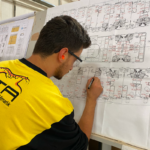
Quality Control from Design to Installation in Marine Furniture Projects
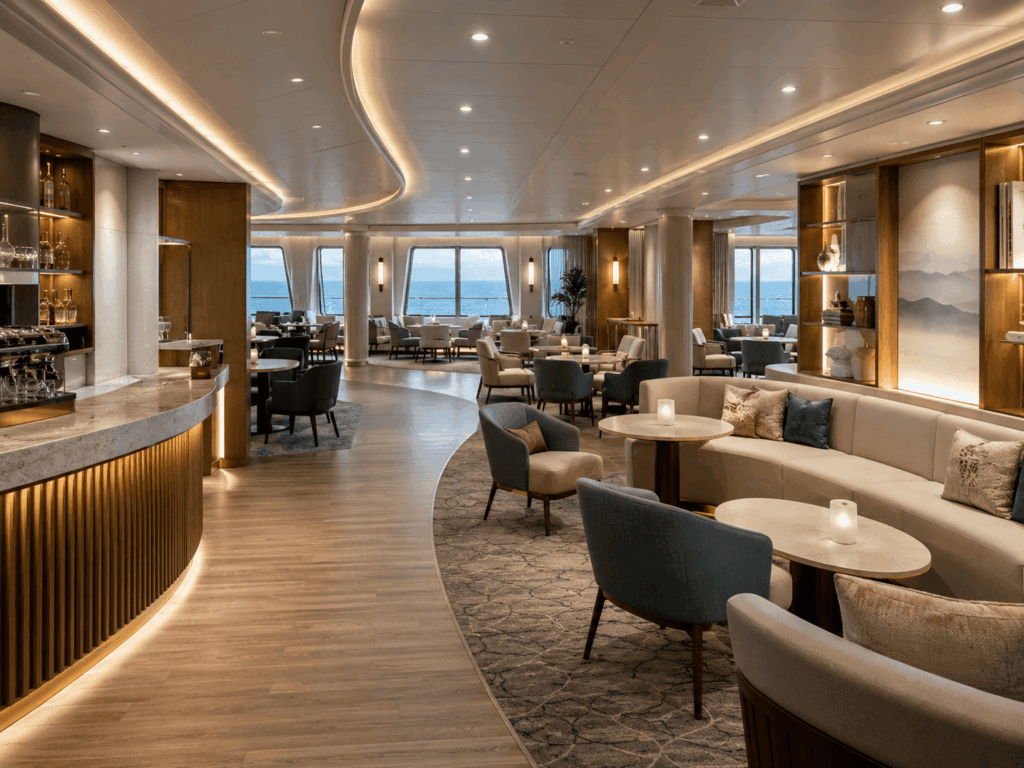


Public area furniture for cruise ships must be planned with a wider perspective than comfort and decoration. Cruise ship interiors bring together passenger circulation, hospitality standards, safety rules, intensive daily use, cleaning routines, storage needs and long operating schedules. A chair, sofa, counter, wall unit or built-in seating group becomes part of a larger interior system that supports movement, service and passenger experience.
Unlike private cabins, public areas are used by hundreds or thousands of passengers throughout the day. Lounges, restaurants, reception zones, waiting areas, corridors, retail spaces and social zones need furniture that can handle constant use without disrupting the visual identity of the vessel.
Cita Marine develops marine furniture and marine outfitting solutions through project planning, 2D and 3D design development, custom production, bespoke joinery, assembly support, logistics and on-site installation. In cruise ship projects, public area furniture planning requires coordination between design intent, production quality and operational performance.
Understanding the Function of Each Public Area
Every public area on a cruise ship has a different purpose. Furniture planning must begin with the role of the space, not with product selection. A reception desk, restaurant chair, lounge sofa and corridor seating element cannot be evaluated through the same criteria.
A cruise ship lobby needs a clear first impression, comfortable waiting points and visible circulation routes. Restaurants need seating layouts that support service teams, passenger comfort and table turnover. Lounge areas may need flexible seating for relaxation, events or group interaction. Corridors and transition zones need furniture that does not block movement or emergency routes.
For this reason, cruise ship furniture should be planned according to:
- Passenger flow
- Space capacity
- Service requirements
- Safety and emergency access
- Cleaning and maintenance routines
- Visual continuity
- Acoustic comfort
- Long-term durability
- Weight and installation limitations
Cita Marine’s experience in cruise ship interior design supports public area planning where furniture, wall elements, surfaces and outfitting details need to work together.
Passenger Flow and Circulation Planning
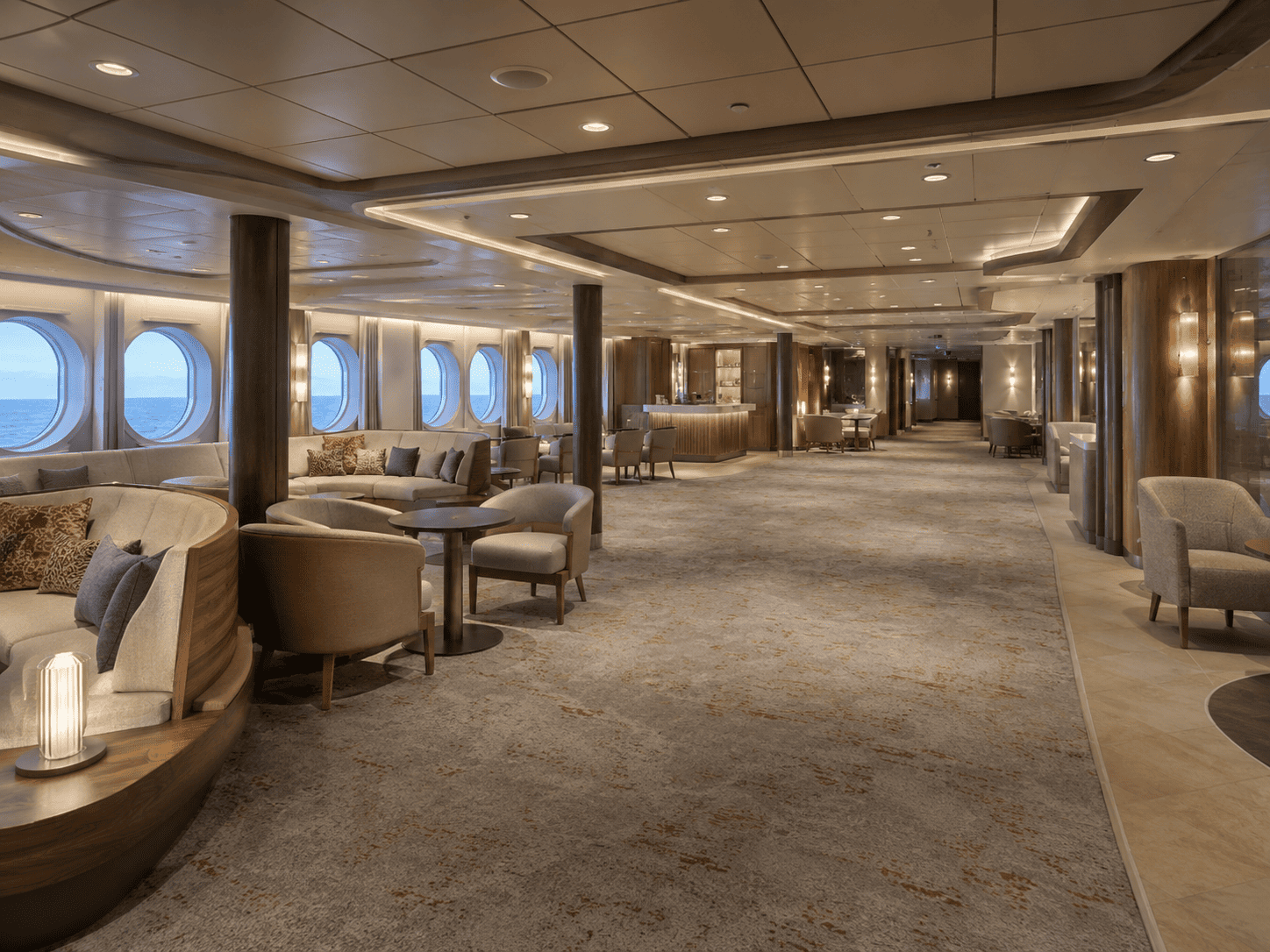
Public area furniture must respect passenger movement. Cruise ships contain different user groups moving at different speeds. Guests may be walking to a restaurant, waiting near reception, moving through a corridor or gathering in a lounge before an event. Poor furniture placement can create congestion, reduce comfort and increase operational problems.
Circulation planning should review the width of walking routes, door access, waiting points, queue areas and connections between spaces. Furniture must guide movement without creating visual or physical barriers. In high-traffic zones, bulky loose furniture may create problems. In carefully planned areas, built-in seating or wall-integrated furniture may keep pathways more controlled.
The strongest public area layouts protect circulation while creating comfortable points for rest, service and interaction.
In cruise ship interiors, passenger flow is not only a design matter. It affects safety, service speed, cleaning access and daily operation.
Fixed and Loose Furniture in Public Spaces
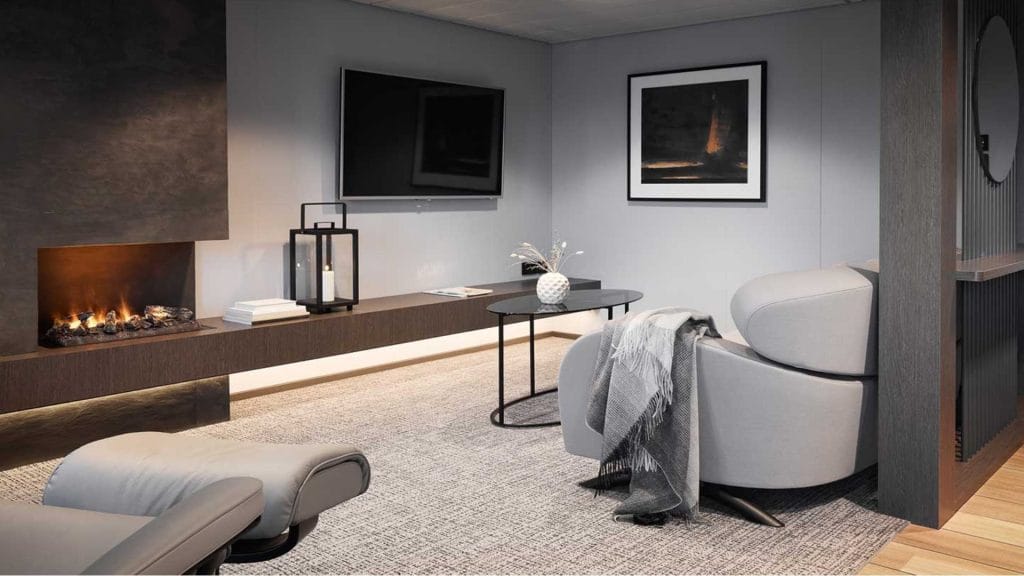
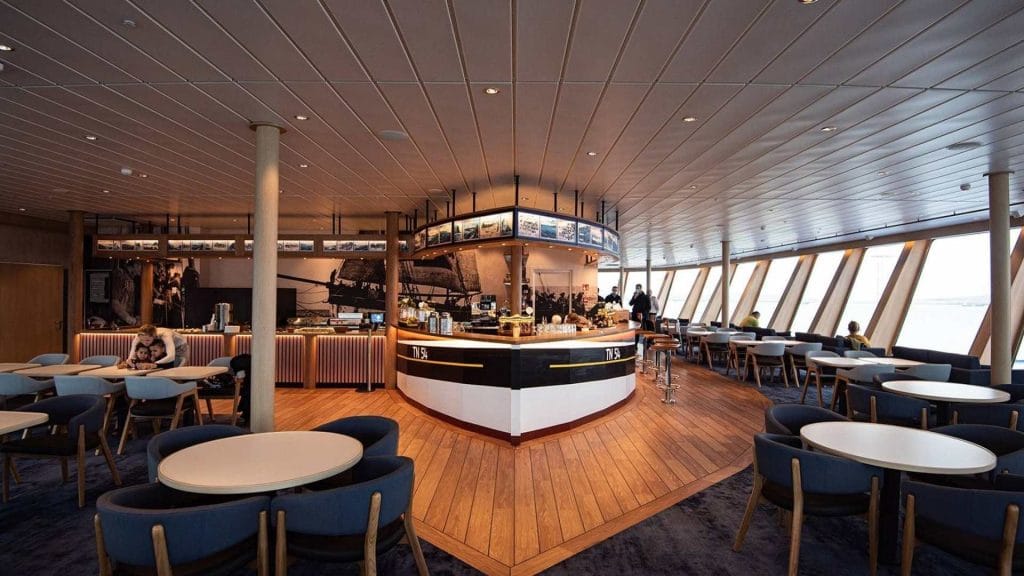
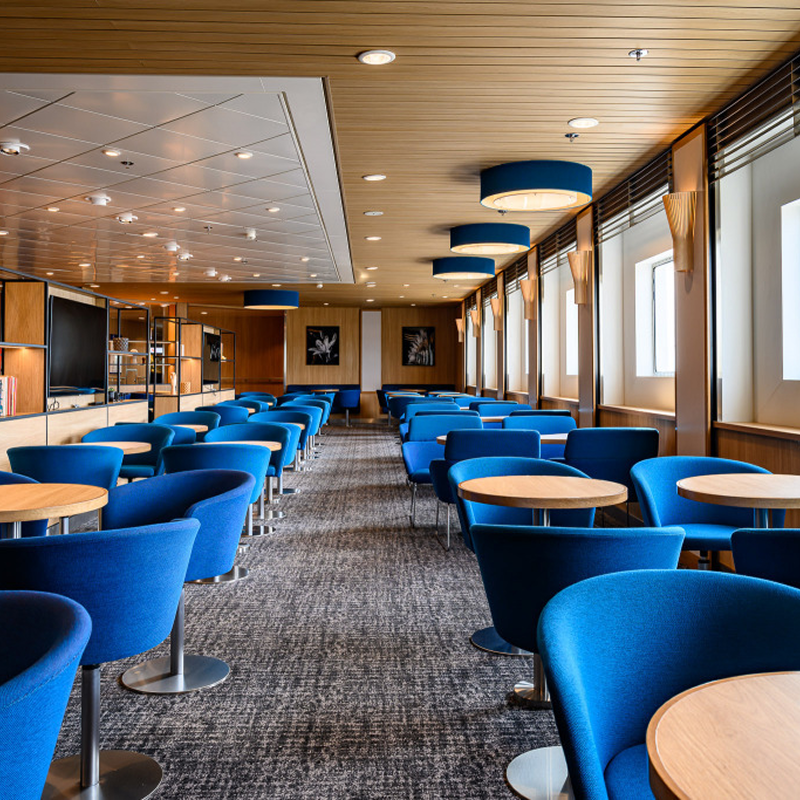
Public areas often require a combination of fixed and loose furniture. Fixed furniture creates stability, structure and long-term layout control. Loose furniture gives flexibility for events, service changes and passenger comfort.
Marine fixed furniture may include reception counters, bar units, wall-integrated benches, service cabinets, retail displays and storage walls. Loose furniture may include lounge chairs, dining chairs, sofas, stools, tables and modular seating elements.
The balance depends on the area. A restaurant may need fixed service counters and loose dining furniture. A lounge may combine fixed perimeter seating with movable chairs and small tables. A reception area may use a fixed front desk with loose seating for waiting passengers.
Cita Marine’s marine furniture capabilities cover both fixed and loose furniture for vessel interiors. Planning both categories together helps maintain design consistency while meeting the operational needs of cruise public areas.
Durability for High-Use Cruise Interiors
Cruise ship public areas face intensive daily use. Furniture surfaces, edges, upholstery, frames and connection points must resist wear, cleaning, movement and repeated contact. Public area furniture should not be selected only for initial appearance. It should maintain its quality through long-term operation.
Durability planning includes material selection, surface resistance, edge protection, upholstery performance and maintenance access. Seating in a lounge or restaurant may be used many times a day. Reception counters and service units may face luggage contact, cleaning chemicals and continuous staff use.
Cruise ship furniture must combine visual quality with resistance to intensive hospitality use.
Cita Marine combines wood and aluminum in furniture production to achieve strength, weight control and durability. Through development and production, project-specific components can be manufactured according to technical drawings, material requirements and installation needs.
Comfort and Hospitality Standards
Cruise ship public interiors need to support passenger comfort across different activities. Sitting, waiting, dining, socializing, reading, watching performances or moving through shared spaces all create different comfort expectations.
Furniture proportions, seat height, back support, spacing between elements, table access and lighting coordination affect the passenger experience. Comfort should not be considered only as softness. It also includes ease of movement, personal space, visibility, acoustic balance and safe access.
For public areas, comfort planning should answer questions such as:
- How long will passengers use the seating area?
- Will the space be used for dining, waiting or events?
- Does the furniture allow easy movement for passengers and staff?
- Are seating distances suitable for the function?
- Can cleaning teams access furniture bases and surrounding areas?
- Does the furniture support the visual identity of the cruise interior?
A well-planned public space does not need excessive furniture density. It needs the right number of elements positioned according to use, circulation and service rhythm.
Material Strategy and Marine-Grade Requirements
Materials used in cruise ship public areas need to respond to marine conditions and hospitality use at the same time. Wood panels, aluminum details, veneers, laminates, fabrics, artificial leathers, coatings, adhesives and hardware must be selected according to safety, cleaning and durability requirements.
In shared passenger spaces, marine-grade material strategy should consider:
- Fire safety expectations
- Smoke and toxicity requirements
- Moisture and temperature changes
- Stain resistance
- Cleaning chemical exposure
- Impact resistance
- Maintenance and repair access
- Weight control
- Consistency across repeated areas
Marine furniture materials should be selected according to performance, area function and long-term maintenance expectations.
Cita Marine’s marine outfitting approach helps align furniture, wall modules, built-in units and installation details with the broader interior scope of the vessel.
Bespoke Joinery for Cruise Public Areas
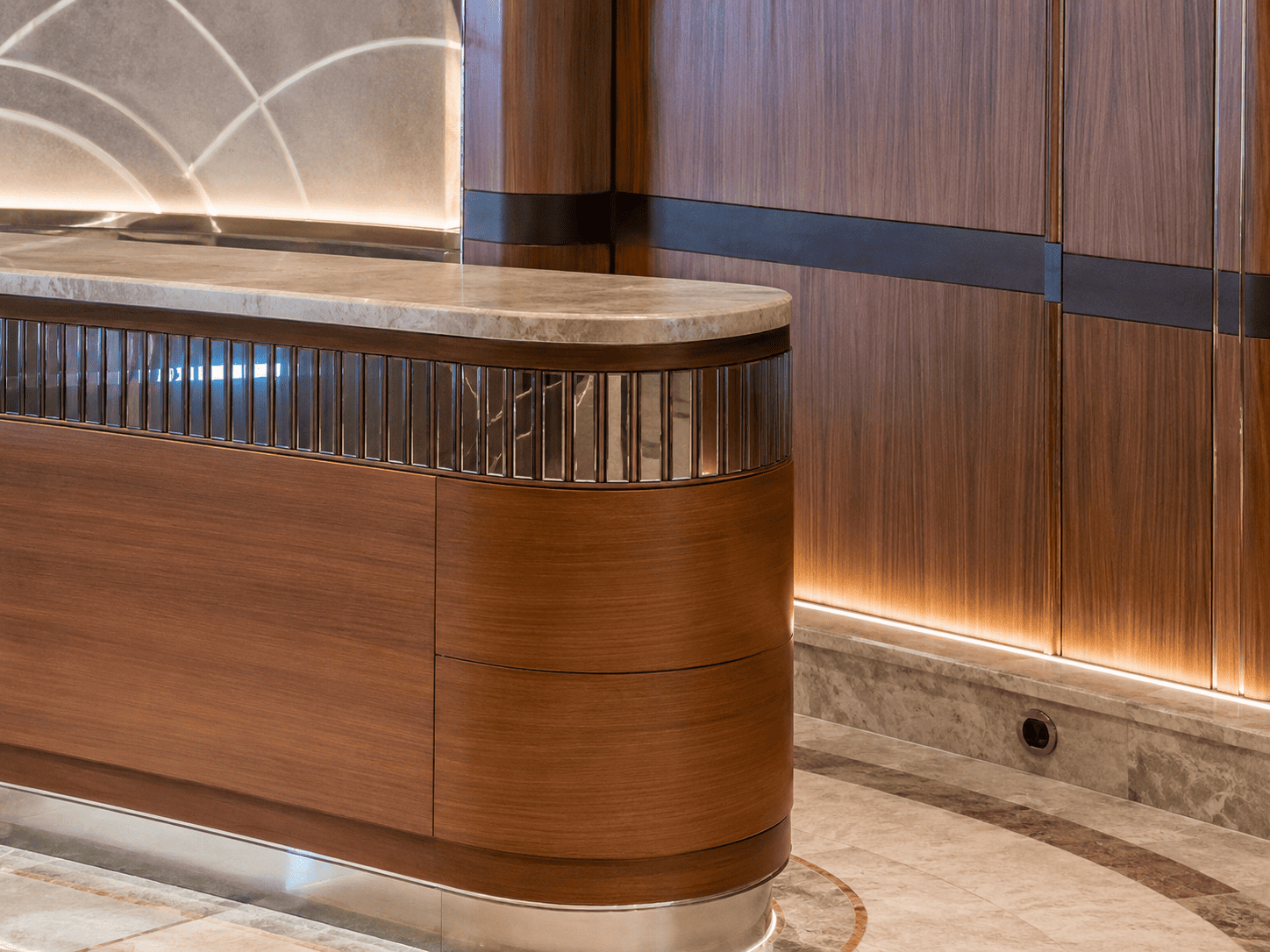
Public areas often require custom details that standard furniture cannot solve. Curved counters, integrated wall units, concealed storage, decorative panels, retail display elements, bar units and seating modules may need bespoke production.
Marine joinery plays a critical role in areas where furniture and interior architecture meet. A reception counter may need cable access, service storage and durable front panels. A lounge wall may combine decorative cladding, lighting and hidden storage. A restaurant divider may need visual separation without blocking passenger movement.
Cita Marine’s bespoke joinery work supports custom cruise ship interiors where standard furniture modules cannot fully respond to space, function or project identity.
Logistics, Installation and Site Coordination
Public area furniture planning does not end with production. Cruise ship interiors often involve tight schedules, multiple teams and complex installation sequences. Furniture must be packaged, transported, protected and installed according to the project plan.
A large lounge seating group, a reception counter or a custom bar unit may require phased delivery and careful on-site handling. Installation teams need to coordinate with wall panels, flooring, lighting, electrical works and other outfitting elements.
Through assembly support, Cita Marine helps custom furniture components be installed in line with project drawings and site requirements. Proper installation protects design quality, reduces rework and supports timely project delivery.
FAQ
Why is public area furniture planning different from cabin furniture planning?
Public areas serve larger passenger groups, higher traffic, more frequent cleaning and wider operational needs. Cabin furniture focuses more on private use, compact storage and personal comfort.
Should cruise ship public areas use fixed or loose furniture?
Most public areas need both. Fixed furniture supports stability, service functions and layout control. Loose furniture supports flexibility, comfort and changing operational needs.
What makes cruise ship furniture different from hotel furniture?
Cruise ship furniture must respond to marine movement, weight limits, fire safety expectations, installation requirements and long-term use in a vessel environment. Hotel furniture is generally not developed around these marine conditions.
Stronger Public Areas Through Planned Marine Furniture
Public area furniture for cruise ships should support passenger comfort, service flow, durability, safety and visual continuity at the same time. The best results come from planning fixed and loose furniture, material strategy, bespoke joinery, logistics and installation as connected project stages.
Cita Marine brings marine furniture and marine outfitting expertise together through custom production, project planning, bespoke joinery, global logistics and on-site installation support. For cruise ship lounges, restaurants, reception zones, corridors and shared passenger areas, project teams can contact Cita Marine through the contact page to discuss project-specific public area furniture solutions.