How Public Area Furniture Is Planned for Cruise Ships
Balancing Weight and Durability in Ship Interior Furniture


Quality control in marine furniture projects begins long before furniture reaches the vessel. It starts with project planning, design coordination, material selection and technical drawings. In ship interiors, a cabinet, wall unit, bed base, reception counter or seating module must match the approved design, meet marine-grade expectations and remain suitable for installation inside a moving structure.
Marine interiors have different requirements from land-based interiors. Furniture must respond to vibration, humidity, weight limits, fire safety expectations, cleaning routines, operational use and site restrictions. For that reason, quality control should not be treated as a final inspection only. It should continue through design, production, packaging, logistics and installation.
Cita Marine approaches marine furniture and marine outfitting projects through design development, bespoke joinery, production, assembly support, logistics and on-site management. A controlled quality process helps protect design accuracy, project timing and long-term interior performance.
Quality Control Starts with Project Planning
A reliable quality control process begins with clear project planning. Before production starts, project teams need to define the scope, furniture types, technical requirements, material expectations and installation sequence. Lack of clarity in early planning can lead to measurement conflicts, production delays or installation problems.
In marine projects, planning should cover:
- Vessel type and interior area
- Fixed and loose furniture requirements
- 2D and 3D design documentation
- Material and finish specifications
- Fire safety and certification expectations
- Weight and durability requirements
- Packaging and logistics strategy
- On-site installation conditions
Cita Marine’s consulting and planning process supports the alignment of design expectations, production capability and project schedules. Quality control in marine furniture projects becomes stronger when every team works with approved information from the earliest stage.
Design Review and Technical Drawing Accuracy
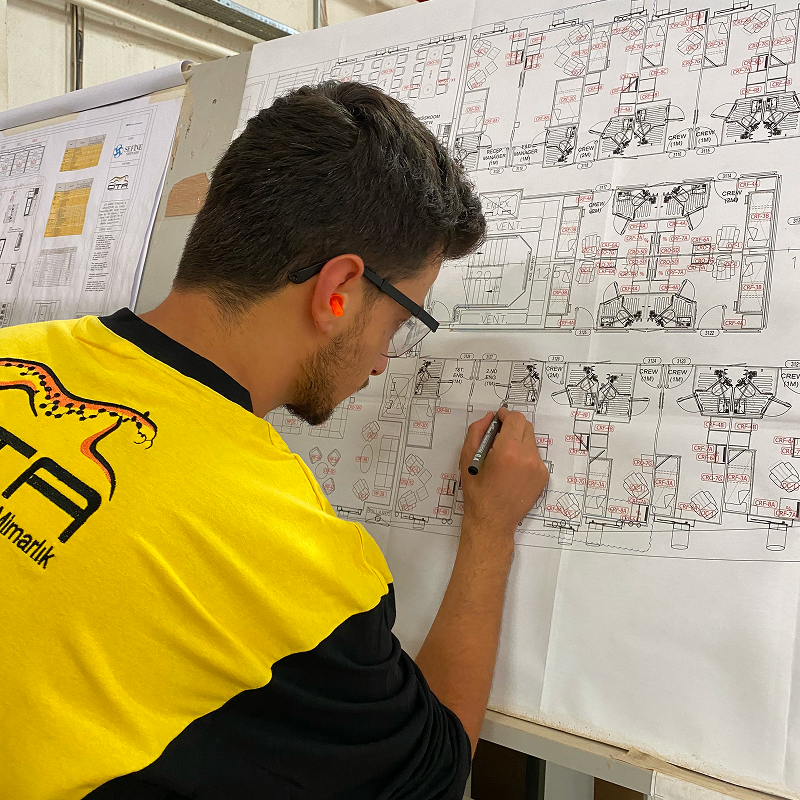
Design review is one of the most critical quality control steps. A furniture element may look correct in concept visuals, yet it must still work with the vessel’s real dimensions, structural limits and service zones. Technical drawings help transform the design intent into a manufacturable and installable product.
A strong drawing review should check:
- Exact dimensions
- Connection points
- Door and drawer clearances
- Wall and floor alignment
- Service access
- Hardware position
- Edge details
- Material thickness
- Installation tolerances
For marine fixed furniture, small measurement errors can create larger installation issues. A wardrobe that does not align with wall panels or a counter that blocks service access can affect several project stages.
Cita Marine’s 2D and 3D design development process helps reduce uncertainty before production. Technical clarity at this stage protects production accuracy and limits the risk of rework during installation.
Material Control for Marine Conditions
Material control is a central part of quality assurance in ship interiors. Furniture materials must be selected not only for appearance but for performance in marine conditions. Wood panels, aluminum profiles, veneers, laminates, hardware, adhesives, coatings and edge bands need to match the function of the area.
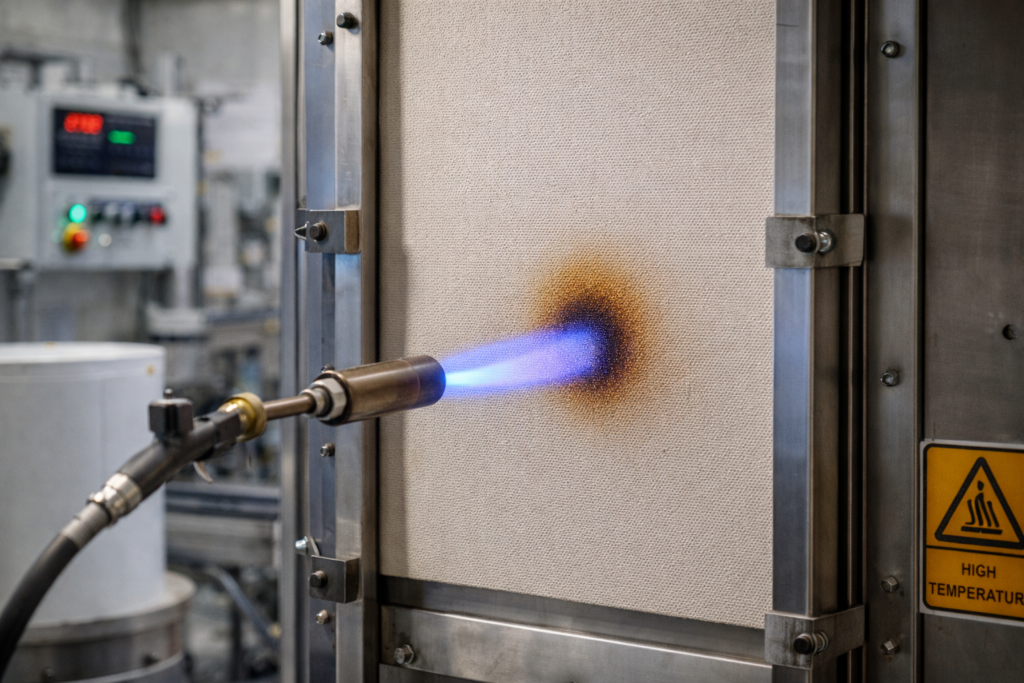
Marine-grade material control should review resistance to humidity, cleaning, impact, wear and long-term use. In certain spaces, fire safety, smoke and toxicity requirements may influence material decisions. Public areas, cabins, crew spaces and service zones may require different levels of durability and maintenance planning.
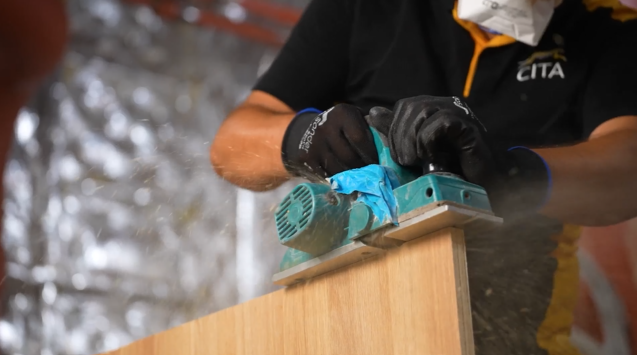
Cita Marine combines wood and aluminum in furniture production to achieve strength, weight control and long-term usability. Through development and production, project-specific furniture components can be manufactured according to approved specifications and technical requirements.
Material quality control reduces maintenance risk and supports consistent performance across ship interiors.
Production Quality and Workmanship
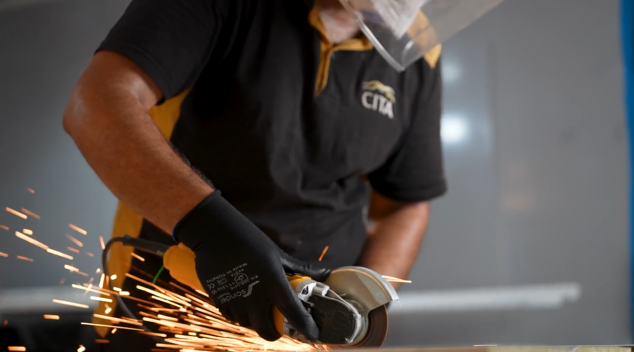
Production quality is where drawings, materials and workmanship come together. Each furniture component should be checked for dimensional accuracy, surface finish, edge quality, hardware alignment and structural integrity. In marine interiors, workmanship affects both visual quality and operational safety.
Production control may include:
- Panel cutting accuracy
- Edge banding quality
- Surface finish consistency
- Hardware installation
- Joinery detail control
- Pre-assembly checks
- Labeling and component tracking
- Protection before packaging
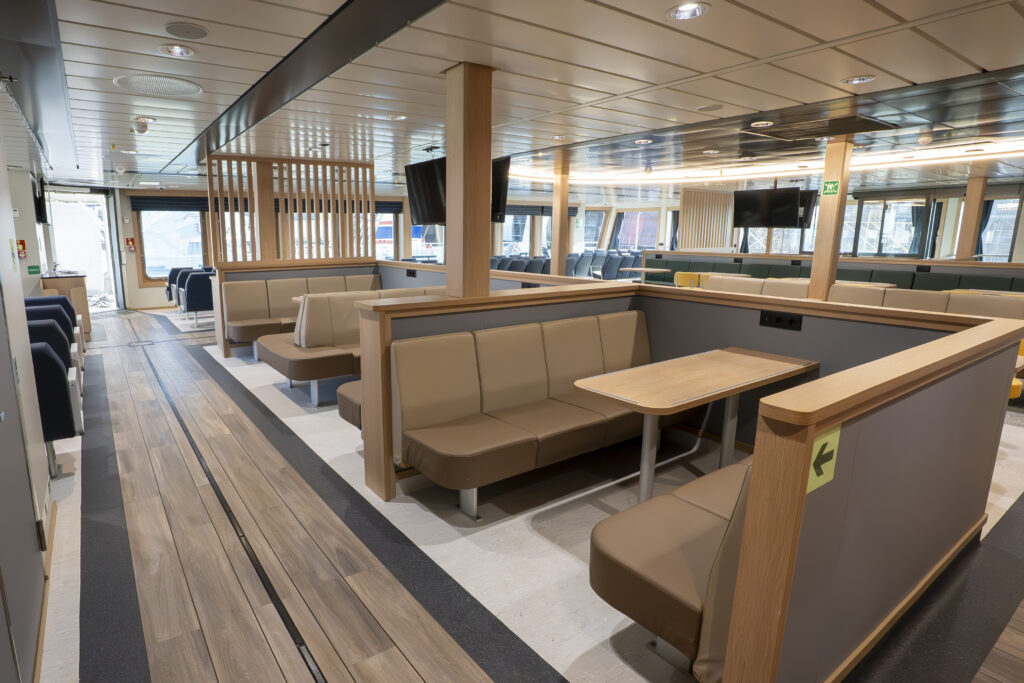
Marine joinery requires skilled production because many furniture elements need to fit exact vessel dimensions. Curved panels, built-in storage units, wall modules and integrated counters may require project-specific workmanship.
Cita Marine’s bespoke joinery capability supports custom furniture elements where standard production methods cannot meet project needs. Quality control in joinery work helps protect the final interior appearance and long-term usability.
Pre-Assembly and Factory Checks
Factory checks are valuable before furniture is shipped to the vessel or shipyard. Pre-assembly allows project teams to identify alignment problems, missing parts, surface defects or connection issues before site installation begins.
Pre-assembly checks can review whether:
- Components fit together correctly
- Hardware functions properly
- Surface finishes are consistent
- Drawers and doors move correctly
- Labels match the installation plan
- Packaging groups follow the site sequence
- Technical access points remain available
A controlled factory review reduces the risk of discovering errors during installation. In marine projects, site time is often limited. Correcting preventable issues before shipment protects both schedule and installation quality.
Packaging, Logistics and Damage Prevention
Quality control continues after production. Marine furniture components may travel long distances before reaching the vessel. Packaging, protection, labeling and logistics planning have direct impact on final project quality.
Furniture should be protected according to its surface, size, weight and installation sequence. A custom wall panel, bar unit, cabinet or seating module can lose value if it is scratched, bent or exposed to moisture during transport.
Cita Marine’s global logistics and packaging process supports the safe movement of project-specific furniture components. Correct packaging helps protect surfaces, hardware, edges and assembled parts before they reach the installation area.
A strong logistics plan is part of marine furniture quality control, not a separate operational detail.
Site Installation and Final Quality Checks
Installation is the final stage where planning and production quality become visible inside the vessel. Even well-produced furniture needs accurate site coordination. Installation teams must work with approved drawings, site conditions, wall panels, flooring, lighting, electrical works and other outfitting elements.
Final site quality checks should review:
- Positioning accuracy
- Alignment with walls and panels
- Secure fixing
- Door and drawer operation
- Surface protection
- Cleaning after installation
- Access to technical panels
- Visual consistency
- Handover readiness
Cita Marine’s assembly support helps custom furniture components be installed according to project requirements. In complex marine interiors, installation quality affects safety, user comfort, maintenance access and final project perception.
Quality Documentation and Project Handover
Quality control should be documented across project stages. Approved drawings, material lists, inspection notes, production records, packaging labels and site checklists help project teams manage accountability and traceability.
For shipyards, owners and interior project teams, documentation creates a clearer handover process. It makes future maintenance, replacement or repair planning easier. Documentation is especially valuable when a project includes repeated cabin modules, public area furniture, custom counters or multiple installation zones.
A well-managed handover should confirm that furniture has been produced, delivered and installed according to the approved project scope.
FAQ
Why is quality control critical in marine furniture projects?
Marine furniture operates in a moving, humid and technically regulated environment. Quality control helps ensure that furniture is suitable for installation, daily use, safety expectations and long-term maintenance.
Does quality control happen only after production?
No. Quality control should begin during planning and design review. It should continue through material selection, production, pre-assembly, packaging, logistics, installation and final handover.
What is checked during marine furniture installation?
Positioning, alignment, fixing points, surface condition, drawer and door movement, technical access, cleaning and visual consistency should be checked during installation.
Reliable Interiors Through Controlled Project Stages
Quality control in marine furniture projects protects the link between design intent, production accuracy, logistics and installation performance. When every stage is controlled, ship interiors become more durable, safer and easier to maintain.
Cita Marine brings marine furniture and marine outfitting expertise together through project planning, custom production, bespoke joinery, global logistics, assembly support and on-site management. For ship, yacht, cruise ship and commercial vessel interiors, project teams can contact Cita Marine through the contact page to discuss project-specific quality expectations and interior furniture solutions.