Quality Control from Design to Installation in Marine Furniture Projects

CITA Marine on a New Bilgin Yacht Motor Yacht Project
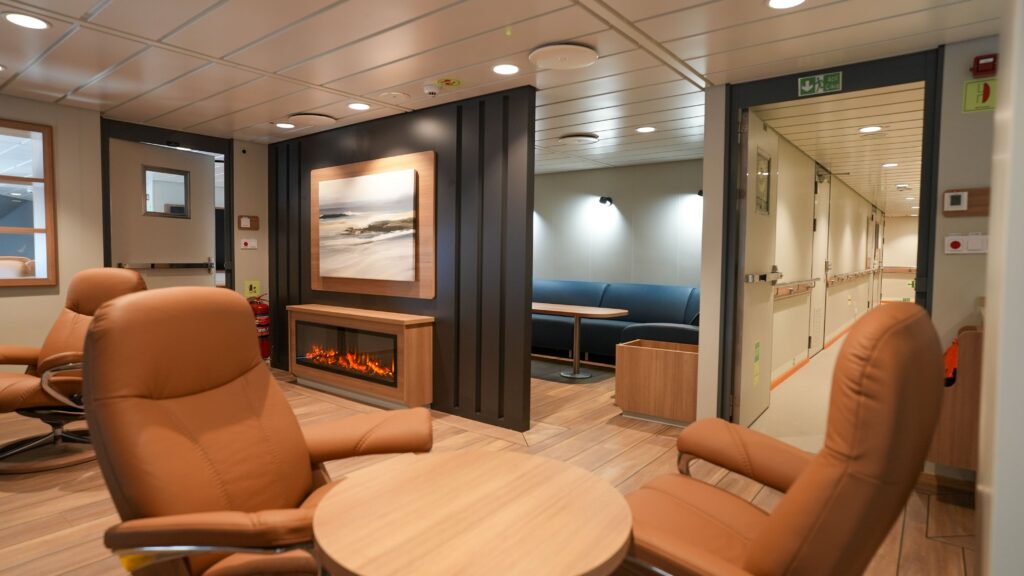


Ship interior furniture must be strong enough for long-term marine use and light enough to support vessel performance. In maritime projects, weight and durability are not separate subjects. A cabin wardrobe, wall unit, bed base, lounge chair, reception counter or storage system can affect comfort, maintenance, installation quality and operational efficiency.
Unlike land-based interiors, ship interiors work inside a moving structure. Furniture is exposed to vibration, humidity, repeated cleaning, passenger traffic, crew routines, salt air influence and space limitations. For this reason, a durable furniture solution does not mean using the heaviest material available. It means selecting the right structure, material combination, connection detail and installation method for the vessel.
Cita Marine develops marine furniture through custom production, wood and aluminum material combinations, project planning, bespoke joinery, logistics and on-site installation. For shipyards, owners and interior project teams, balancing weight and durability in ship interior furniture is a technical decision that begins before production.
Why Weight Matters in Ship Interior Furniture
Weight affects more than the furniture itself. In ship interiors, every fixed and loose element contributes to the overall load of the vessel. Furniture weight can influence stability calculations, fuel efficiency, installation handling, logistics planning and maintenance access.
A furniture element may look compact, yet repeated use across hundreds of cabins or large public areas can create a significant total load. For cruise ships, ferries, offshore vessels and passenger ships, repeated modules such as wardrobes, beds, desks, wall panels and seating units should be reviewed as part of the wider interior weight strategy.
Weight control in ship interior furniture supports safer installation, easier handling and better long-term operational efficiency.
Furniture weight should be considered during early design development, not after manufacturing begins. Once dimensions, material thickness and internal structures are finalized, major weight changes may become difficult without affecting durability or appearance.
Durability Is Not the Same as Heavy Construction
Durability in marine interiors is often misunderstood. A heavy furniture item may feel strong, yet weight alone does not guarantee long service life. Poor material selection, weak joints, unsuitable hardware or insufficient surface protection can lead to early wear even in heavy furniture.
Durable marine furniture depends on the right balance between structure and performance. Panels, frames, edges, hinges, fasteners, adhesives and surface finishes must work together. Furniture should resist vibration, cleaning chemicals, humidity, impact and repeated use while remaining practical for installation and maintenance.
A durable furniture system should provide:
- Structural stability
- Controlled weight
- Moisture resistance
- Impact protection
- Reliable hardware performance
- Surface durability
- Repair and replacement planning
- Safe integration with the vessel interior
For ship interiors, durability should be measured according to real use conditions. A crew locker, cruise lounge sofa, ferry seating unit and yacht cabin cabinet may each require a different balance between strength and weight.
Material Strategy: Wood, Aluminum and Marine-Grade Components
Material selection has a direct effect on both weight and durability. Standard furniture materials used in residential or commercial buildings may not respond well to marine conditions. Ship interiors require materials that can perform under movement, moisture, cleaning cycles and intensive use.
Cita Marine combines wood and aluminum in furniture production to achieve a controlled balance between strength, weight and long-term usability. Wood-based components can provide warmth, surface quality and design flexibility. Aluminum can support structural strength, reduced weight and improved stability when used correctly.
The development and production process at Cita Marine allows project-specific furniture components to be manufactured according to technical drawings, material requirements and installation needs.
A strong material strategy may include:
- Marine-grade panels
- Aluminum frames or support structures
- Durable veneers and laminates
- Moisture-resistant coatings
- Fire-rated surfaces where required
- Stainless or corrosion-resistant hardware
- Edge protection systems
- Certified adhesives and fixing details
Marine-grade material planning helps ship interior furniture remain durable without unnecessary weight.
Fixed Furniture and Weight Distribution
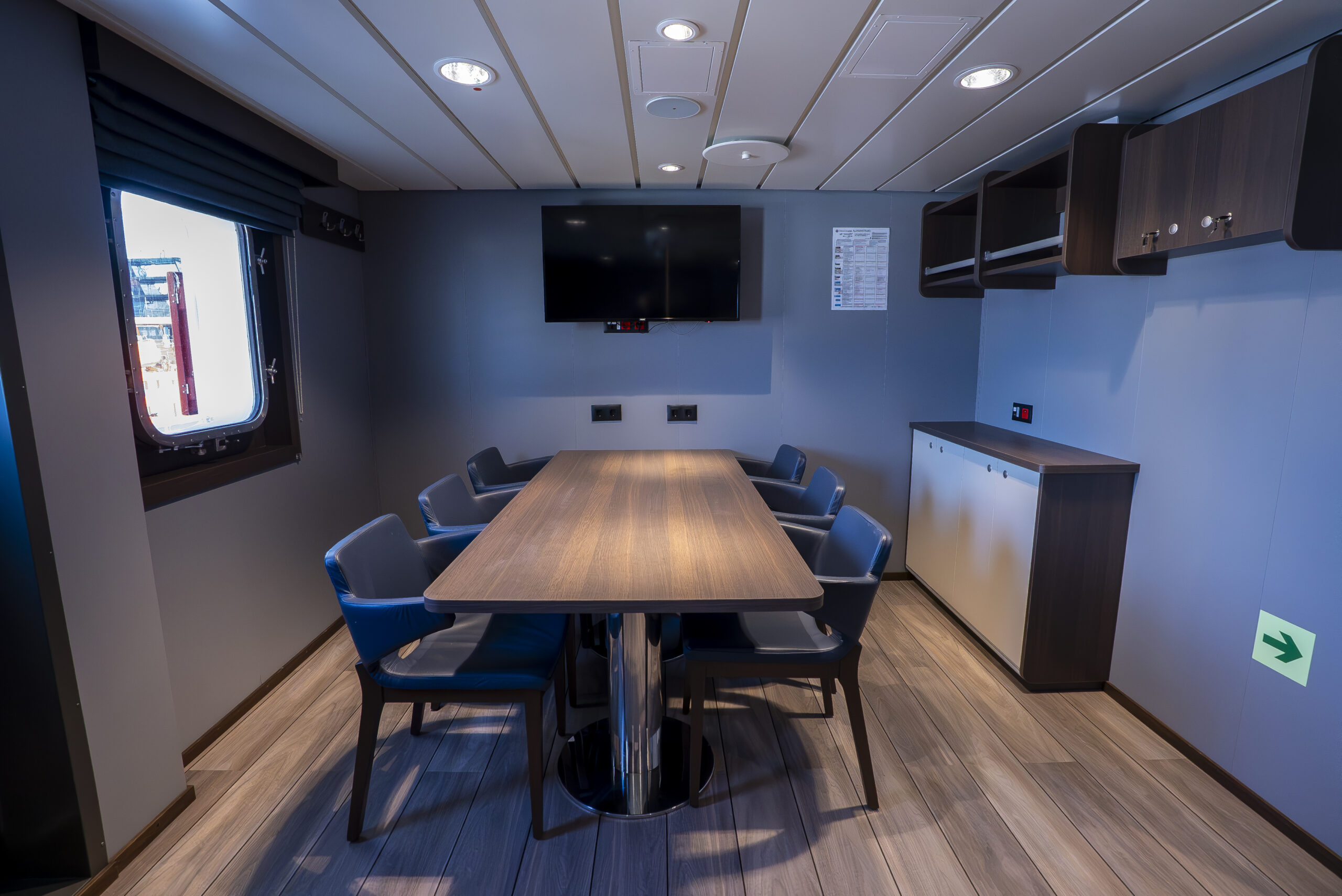
Fixed furniture plays a major role in weight and durability planning. Built-in wardrobes, bed bases, storage walls, counters and service units are connected to the vessel interior and must be planned with accurate dimensions and secure installation details.
Marine fixed furniture can improve space efficiency and safety when designed correctly. It can also support controlled weight distribution because each component is planned for a defined position. Poorly designed fixed units may add unnecessary load, restrict technical access or create installation challenges.
Cita Marine’s marine furniture capabilities cover fixed and loose furniture for cabins, crew spaces, public areas and commercial vessel interiors. In fixed furniture projects, the relationship between furniture, wall panels, floors, ceilings and service routes should be reviewed early.
Key planning points include:
- Load position
- Connection details
- Panel thickness
- Internal support structure
- Access to service areas
- Installation sequence
- Long-term maintenance access
A fixed unit should not be overbuilt. It should be strong where strength is needed and light where excess material does not improve performance.
Loose Furniture and Operational Flexibility
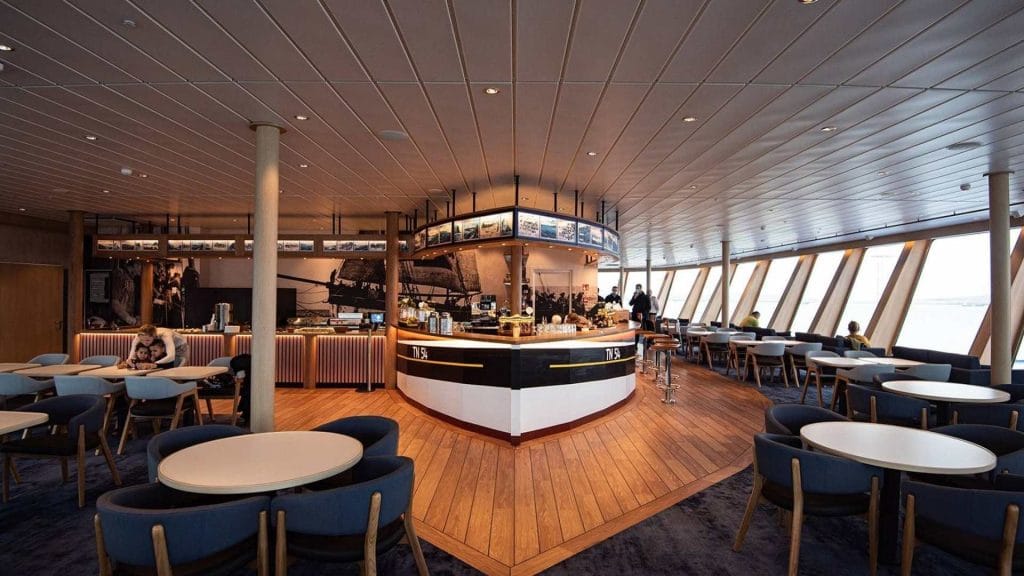
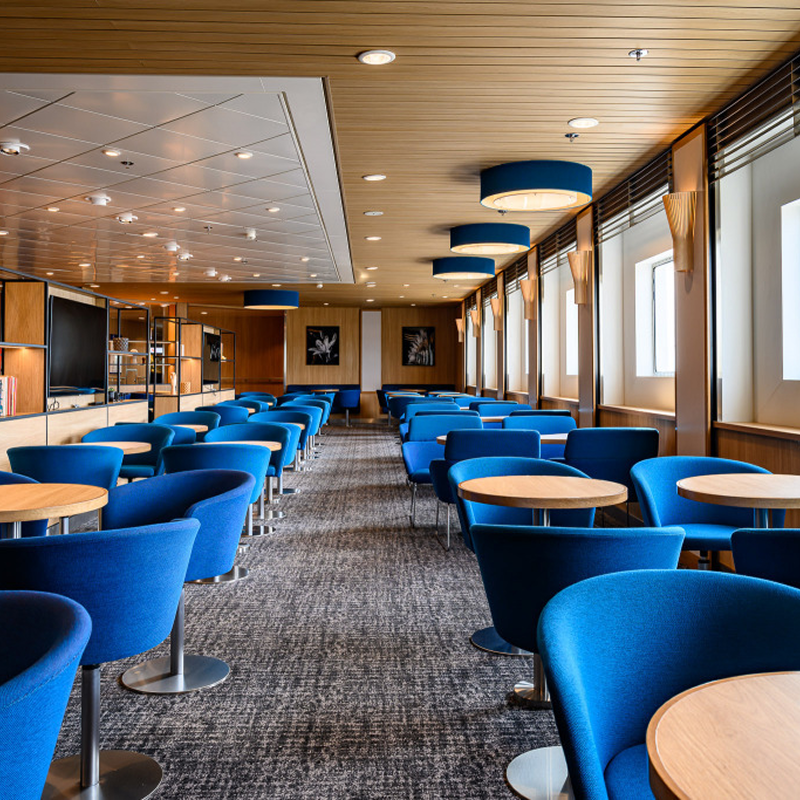
Loose furniture has different weight and durability requirements. Dining chairs, lounge armchairs, sofas, stools, tables and modular seating units should be durable enough for public use while remaining manageable for cleaning, rearrangement and replacement.
In cruise ships, ferries and passenger vessels, loose furniture often faces intensive daily use. Heavy loose furniture may be difficult for crews to move during cleaning or service changes. Very light furniture may lack stability or show early wear. The right balance depends on the area and usage pattern.
Loose furniture planning should consider:
- Passenger comfort
- Weight for handling and cleaning
- Upholstery durability
- Frame strength
- Surface resistance
- Safe movement behavior
- Replacement planning
- Visual consistency with fixed elements
Public areas often need loose furniture that can support hospitality standards without creating operational strain. Coordinating loose furniture with the wider marine outfitting plan helps create consistency across materials, colors, forms and performance expectations.
Modular Design and Repeatable Weight Control
Modular design can help project teams manage weight and durability across repeated interior areas. Many vessels include repeated cabins, crew rooms, restaurant zones or seating layouts. When furniture modules are planned with consistent dimensions and material logic, weight and production quality become easier to control.
A modular approach does not mean a standard look. It allows project teams to create project-specific variations while keeping structure, production method and installation logic consistent. For large marine projects, this can reduce uncertainty during manufacturing and installation.
Modular marine furniture supports repeatable quality, predictable weight and efficient project delivery.
Cita Marine’s modular design capability allows hundreds of bespoke design variations to be developed according to project needs. The system supports custom dimensions, finish options and technical requirements while protecting production consistency.
Durability in Cabins, Crew Areas and Public Spaces
Different ship areas require different durability strategies. A passenger cabin needs compact, safe and efficient furniture. A crew area needs practical surfaces and strong storage. A cruise public area needs hospitality-level comfort with resistance to high traffic.
Cabins often require lightweight built-in furniture with storage efficiency. Crew spaces may need stronger hardware, simple maintenance and reliable daily performance. Public areas may need durable upholstery, impact-resistant edges, stable frames and surfaces suitable for frequent cleaning.
Furniture should be evaluated according to the actual function of each area. The same material or structure should not be applied across every space without review. Performance expectations vary between a yacht cabin, ferry lounge, cruise restaurant and offshore vessel crew room.
Cita Marine’s project planning approach helps align material selection, production details and installation requirements with the function of each interior zone.
Installation Quality and Long-Term Performance
The balance between weight and durability can be lost during installation if furniture is not handled correctly. A lightweight yet durable unit still needs accurate fixing, alignment and protection during assembly. A strong furniture component can underperform if it is installed without proper coordination.
Installation quality affects:
- Structural performance
- User safety
- Door and drawer operation
- Surface protection
- Technical access
- Maintenance planning
- Visual alignment
- Long-term durability
Through assembly support, Cita Marine helps custom furniture components be installed according to project drawings and site requirements. Correct installation protects the material strategy developed during design and production.
FAQ
Why is furniture weight important in ship interiors?
Furniture weight contributes to the vessel’s overall load and can affect handling, logistics, installation and operational efficiency. Weight should be planned early, especially in projects with repeated furniture modules.
Does heavier furniture mean better durability?
No. Durability depends on material quality, structure, hardware, surface protection and installation details. Heavy furniture can still fail if these elements are not suitable for marine conditions.
Which materials help balance weight and durability?
Wood-based panels, aluminum structures, marine-grade surfaces, corrosion-resistant hardware and suitable edge protection can help create durable furniture without unnecessary weight.
Building Stronger Interiors with Controlled Weight
Balancing weight and durability in ship interior furniture requires a technical review of materials, structure, function, installation and long-term maintenance. Furniture should be light enough to support operational efficiency and strong enough to perform under marine conditions.
Cita Marine combines marine furniture and marine outfitting expertise with custom production, wood and aluminum construction, bespoke joinery, logistics and on-site installation support. For yacht, cruise ship, ferry, offshore and commercial vessel interiors, project teams can contact Cita Marine through the contact page to discuss weight-conscious and durable furniture solutions.