FSC-Certified Wood for Yacht and Ship Interiors
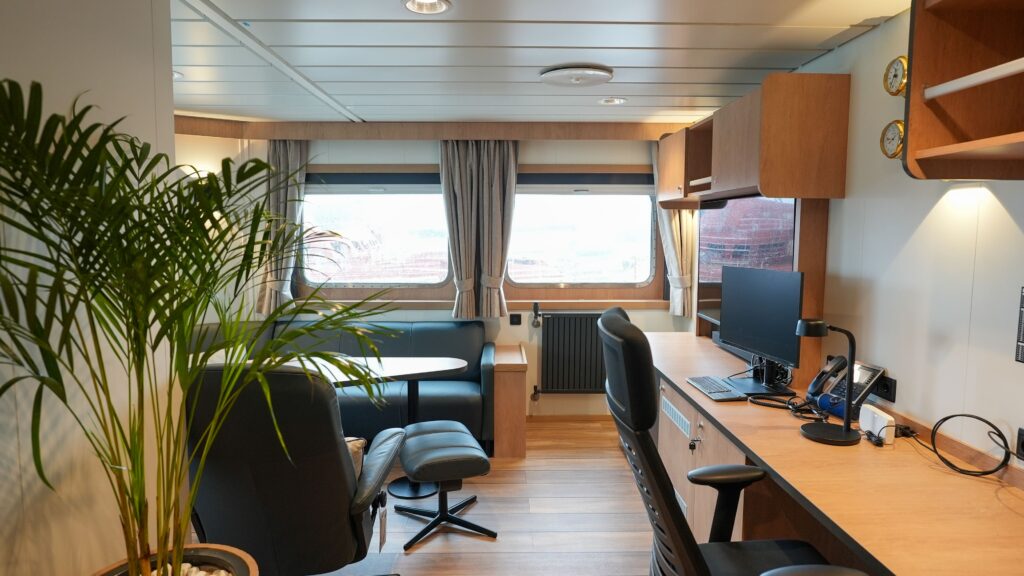


Marine furniture for crew accommodation has to do more than fit a cabin layout. It must support daily use at sea, withstand vibration and cleaning cycles, respect restricted onboard space, and integrate with the vessel’s fire-safety and accommodation requirements. For shipyards and owners, the specification therefore needs to connect furniture design with compliance, maintainability, production feasibility, and crew comfort.
A crew cabin may include a berth, wardrobe, drawer unit, desk, storage, shelves, seating, and associated fixed joinery. Each item looks familiar from land-based interiors, but the marine environment changes the engineering brief. Fixing points, edges, hardware, moisture resistance, corrosion exposure, material approvals, weight, and access for maintenance all need to be considered before production begins.
Cita’s Marine Furniture capability combines marine-specific planning, production and installation support for crew and passenger spaces.
Why Crew Accommodation Furniture Needs a Marine-Specific Specification
Marine furniture for crew accommodation is used every day by people who live and work onboard for extended periods. The furniture therefore needs to balance three priorities: safety, durability, and efficient use of space. A wardrobe that cannot be opened fully because of a nearby door, a berth that blocks service access, or a desk edge that conflicts with movement in a compact cabin can become an operational problem rather than a simple interior detail.
The specification should also account for vessel movement. Doors, drawers, shelves and loose internal items can move under roll and pitch if they are not properly restrained. Hardware must remain functional after repeated cycles, and fixed furniture should be securely connected to the vessel structure or an approved substructure according to the project design.
1. Start with the Applicable Accommodation Requirements
Crew accommodation is not defined only by the furniture schedule. The vessel type, flag, class, construction date, shipyard standards, owner requirements and applicable international rules all influence the final cabin arrangement. The Maritime Labour Convention, 2006 (MLC, 2006), includes standards for seafarer accommodation covering areas such as sleeping rooms, berths, storage, lighting, ventilation and recreational facilities.
Project teams should verify which provisions apply to the specific vessel rather than copying dimensions from another ship. Applicability, permitted variations and any exemptions should be confirmed with the flag administration, class society and project specification. The MLC generally addresses individual sleeping arrangements and storage for clothes and personal items, while shipyard or owner specifications may introduce additional requirements for furniture, finishes, hardware, accessibility and room equipment.
2. Treat Fire Performance as Part of the Material Specification
Fire safety is a core part of marine interior specification. SOLAS Chapter II-2 includes restrictions relating to combustible materials in accommodation spaces, while the IMO Fire Test Procedures Code defines test methods and approval procedures for relevant products and materials, including surface materials, upholstered furniture and bedding components.
That does not mean every furniture component uses the same approval route. The correct approach is to identify the applicable material and product requirements in the vessel specification, then verify certificates and approved constructions before procurement. Substituting a decorative laminate, adhesive, upholstery, or panel core late in the project can trigger a new compliance review.
3. Specify Furniture Around Real Crew Use
Marine furniture for crew accommodation should be designed around the routines of the people who use it. Crew members need storage for workwear and personal items, a secure sleeping area, practical desk or writing space where specified, and furniture that can be cleaned without difficult gaps or fragile details.
Ergonomics also matter in compact rooms. Door swing, drawer pull-out, berth access, seating clearance, and the route between entrance and sanitary space should be checked together. Furniture should not reduce usable circulation simply because every individual item fits on a plan.
4. Select Materials for Moisture, Cleaning and Daily Wear
Ship accommodation is exposed to humidity, repeated cleaning, vibration, and high-frequency use. Material selection should therefore consider dimensional stability, surface resistance, edge protection, corrosion behavior of metal components, and compatibility between panels, finishes, adhesives, and hardware.
Cita’s Development & Production approach describes marine-grade furniture production using systems and components selected for durability, safety and longevity, including aluminium–wood hybrid structures and materials intended for demanding marine conditions.
5. Detail Hardware for Shipboard Movement

Hardware is a frequent source of maintenance if it is under-specified. Hinges, drawer runners, latches, catches, handles, and locking mechanisms should be selected for repeated use and ship motion. Doors and drawers should remain closed during normal vessel movement, while emergency or maintenance access should remain straightforward.
Metal hardware should be checked for corrosion suitability in the intended environment. Hidden fixing systems must still be serviceable. Where hardware replacement is expected during the vessel lifecycle, standardization across cabin types can simplify spares and maintenance.
6. Build Serviceability into the Cabin
Furniture can block access to valves, electrical panels, inspection openings, HVAC elements, or cable routes if service zones are not coordinated early. A strong crew-cabin specification identifies removable panels, access hatches, detachable plinths, and maintenance clearances before production drawings are released.
Serviceability reduces future disruption. A removable access panel is easier to manage during maintenance than dismantling an entire wardrobe. The same principle applies to replaceable hardware, modular berth components, and furniture designed around technical access zones.
7. Use Mock-Ups and First-Off Units to Resolve Repeated Cabin Details
Crew cabins are often repeated across a vessel. A mistake in one approved detail can therefore be copied dozens of times. For repeated room types, a mock-up or first-off furniture set can be used to verify dimensions, ergonomics, hardware, finishes, access clearances, and installation sequence before the full batch is released.
Cita’s production workflow includes prototyping for complex or custom modules and quality checkpoints during production. For shipyards, this creates an opportunity to resolve buildability issues before serial manufacturing begins.
8. Plan Furniture Production Around Cabin Zones and Installation Sequence
Marine furniture for crew accommodation should be coded by vessel, deck, zone, cabin, and item wherever project scale justifies that level of traceability. Production, packing, and delivery can then follow the installation plan rather than a generic factory completion sequence.
This is especially important when multiple cabin types share similar-looking furniture. Labels and packing lists should prevent a wardrobe or berth panel from reaching the wrong deck or vessel. Packaging also needs to protect visible surfaces against repeated handling, moisture, and transport damage.
For international projects, the same traceability should continue through packing, shipment tracking, delivery coordination and onboard handling.
9. Coordinate Installation with the Shipyard and Other Trades
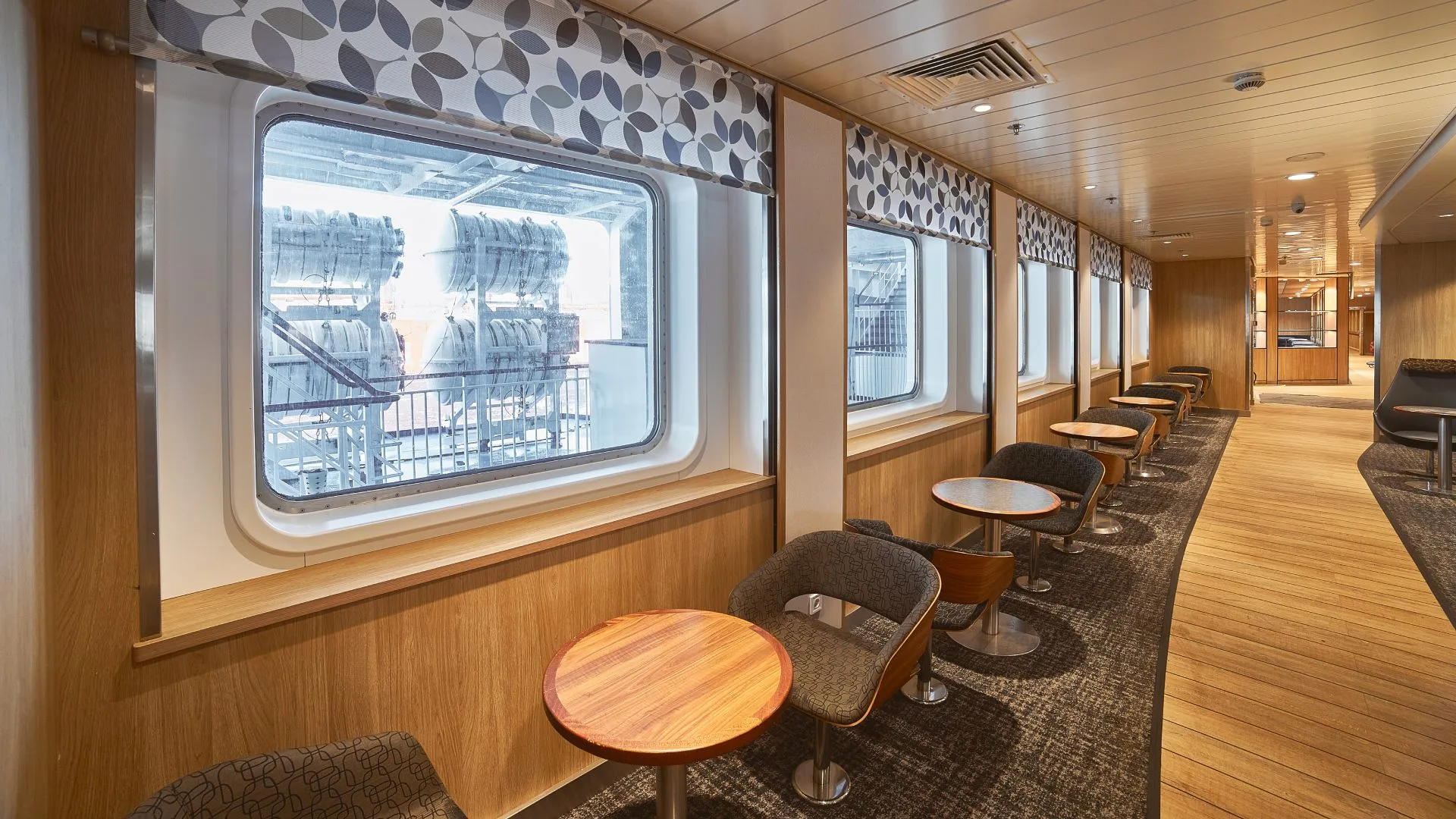
Furniture installation takes place within a wider shipboard construction environment. Cabins may depend on completed flooring, ceilings, HVAC terminals, electrical work, sanitary modules, and finished wall panels. Installation sequencing should identify room readiness before furniture is moved onboard.
Onboard teams also need a clear method for dealing with as-built deviations. If a bulkhead or service route differs from the drawing, the response should be controlled through the project team rather than improvised by the installer.
The contractor’s installation plan should define onboard supervision, quality checks and coordination with shipyard teams and other subcontractors.
Crew Accommodation Furniture Specification Checklist
- Room data: Cabin type, deck, zone, quantity and approved arrangement.
- Furniture scope: Berths, wardrobes, drawers, desks, shelves, seating, storage and fixed joinery.
- Compliance: Applicable flag, class, shipyard, owner, MLC, SOLAS and fire-test requirements.
- Materials: Panel cores, surface finishes, metal structures, adhesives, edge details and upholstery where applicable.
- Hardware: Hinges, runners, catches, locks, handles and restraint requirements.
- Fixing: Structural or substructure connection method and installation responsibility.
- Service access: Removable panels, inspection clearances, maintenance access and replacement strategy.
- Prototype: Mock-up or first-off approval requirements for repeated cabins.
- Quality control: Dimensional checks, finish criteria, hardware tests, labelling and traceability.
- Packing and delivery: Cabin-based identification, shipment sequence and onboard handling plan.
How Crew Cabin Furniture Supports Lifecycle Performance
The best crew cabin interior is not the one with the most complex detailing. It is the one that remains functional after years of use, can be cleaned and serviced efficiently, and can be repaired without major disruption. Standard hardware, replaceable components, durable surfaces, and controlled manufacturing data all support lower lifecycle effort.
Crew comfort also has an operational value. MLC 2006 links accommodation requirements to seafarer health and well-being. A well-planned cabin cannot replace wider welfare standards, but furniture layout, storage, berth design, and usability are meaningful parts of the onboard living environment.
Cita’s Approach to Marine Furniture for Crew Accommodation
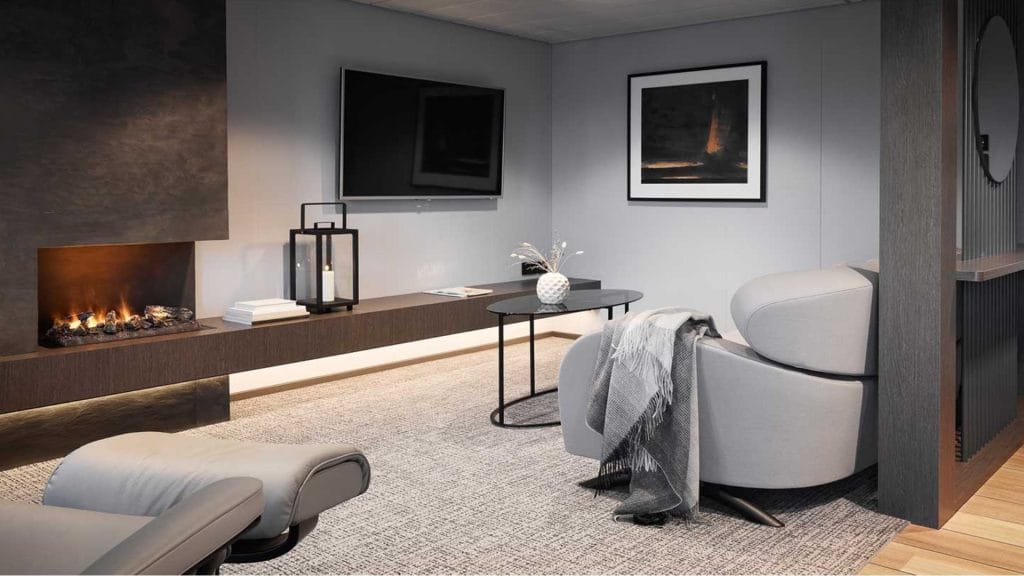
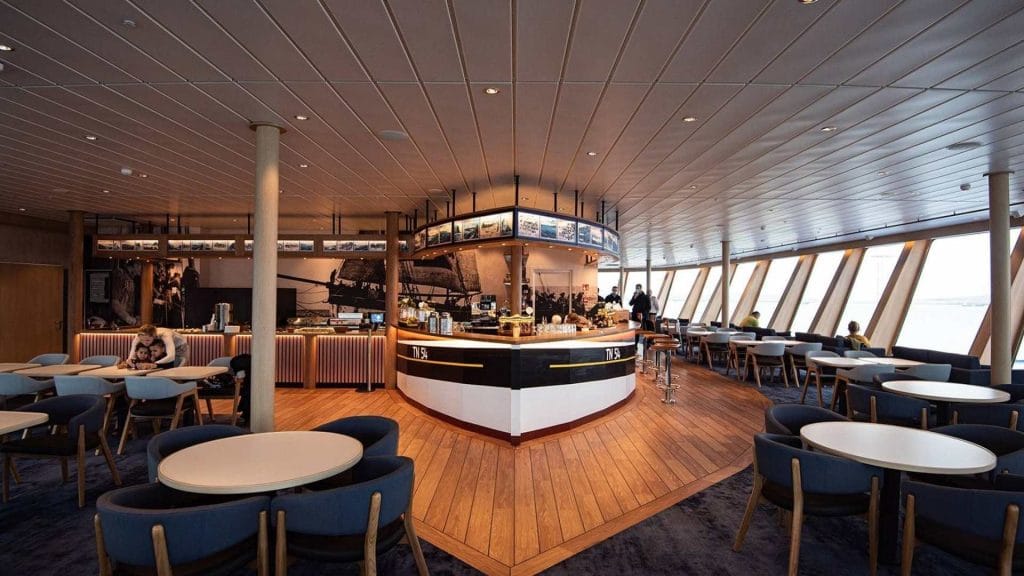
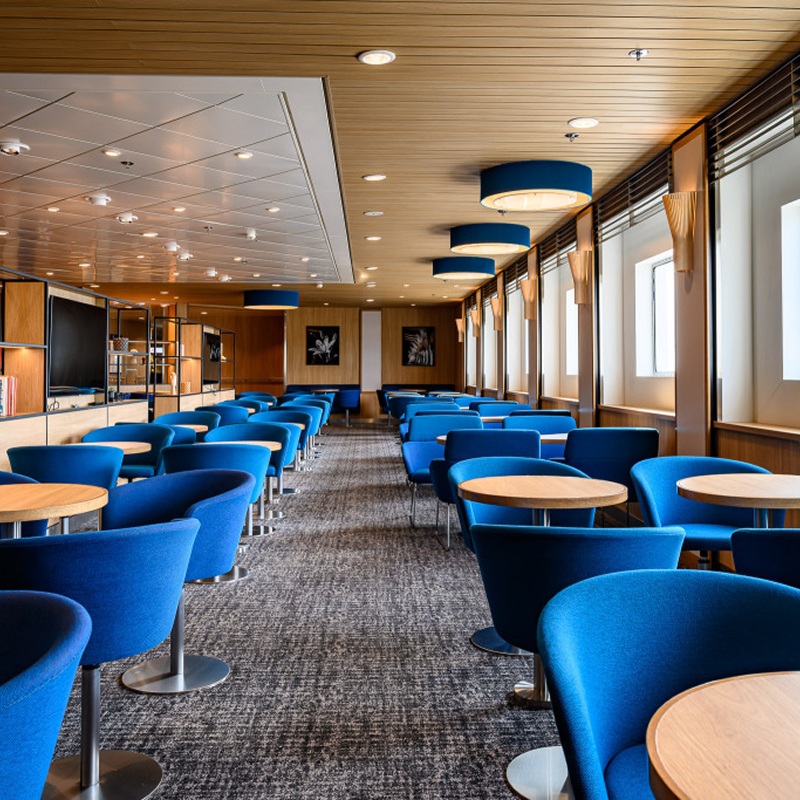
Cita approaches marine furniture for crew accommodation as part of a complete execution workflow that connects architectural planning, production engineering, manufacturing, logistics, and onboard installation. The aim is to move from approved cabin requirements to repeatable, ship-ready furniture without losing control of revisions or installation interfaces. Cita’s public project portfolio also includes crew-focused interior work. On the NB1119 Annie Hillina project, the company’s scope included manufacturing and onboard installation of crew cabin furniture together with messroom and dayroom interior applications for a pelagic trawler.
See the documented NB1119 Annie Hillina project for an example of crew living-space furniture and interior outfitting delivered as part of a vessel project.
Early layout, material and production planning should connect marine living-space design with production feasibility and the intended installation sequence.
If your shipyard or owner team is preparing a cabin package, share the accommodation schedule, room types, quantities, vessel specification, finish requirements, and delivery program with Cita Marine Furniture.
Discuss your crew accommodation project with Cita Marine Furniture.