Tips for Doubling the Storage Space of Narrow Ship Cabins
How Public Area Furniture Is Planned for Cruise Ships
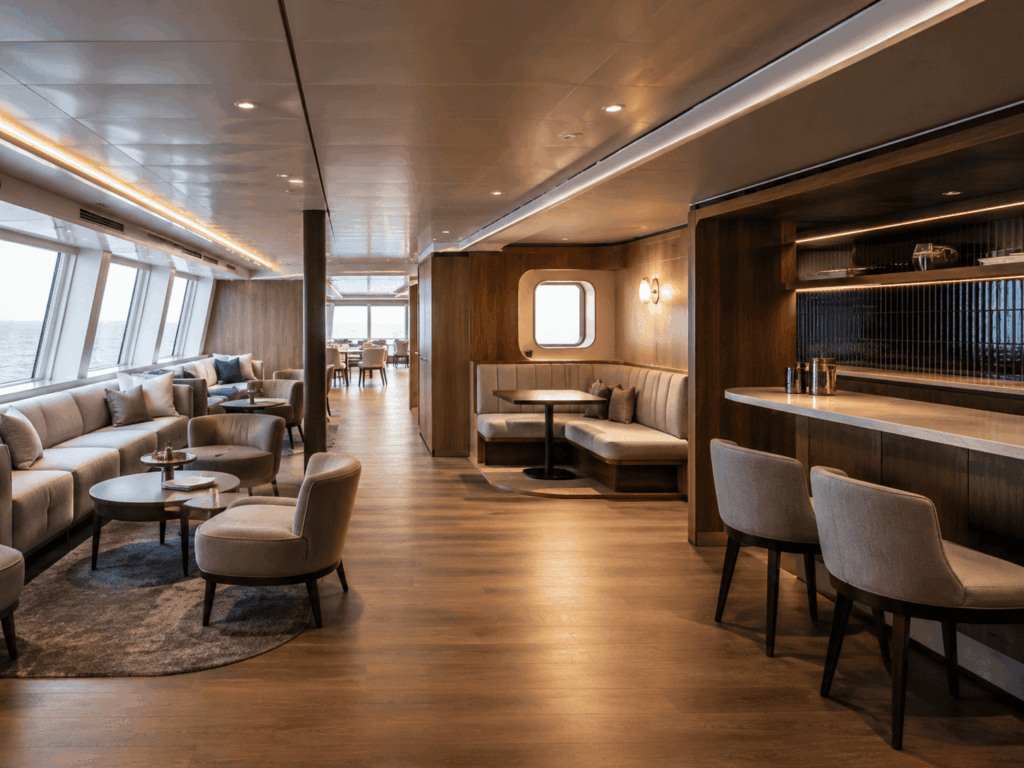


Fixed and loose furniture in ship interiors must be planned with more precision than furniture used in land-based buildings. A vessel is a moving structure. Its interior elements need to respond to vibration, weight limitations, safety expectations, cleaning routines, technical access and long-term operation. For this reason, the decision between fixed furniture and loose furniture affects more than visual layout.
In marine projects, furniture is part of the interior architecture and the outfitting process. A cabin wardrobe, wall-mounted desk, reception counter, dining chair, lounge sofa or crew storage unit may each require a different planning method. Some pieces must be securely fixed to the vessel structure. Others need controlled flexibility for comfort, maintenance or changing operational needs.
Cita Marine develops marine furniture for different vessel types through custom production, project planning, 2D and 3D design development, bespoke joinery, assembly support and on-site installation. Understanding the difference between fixed and loose furniture helps project teams create safer, more efficient and more durable ship interiors.
What Is Fixed Furniture in Ship Interiors?
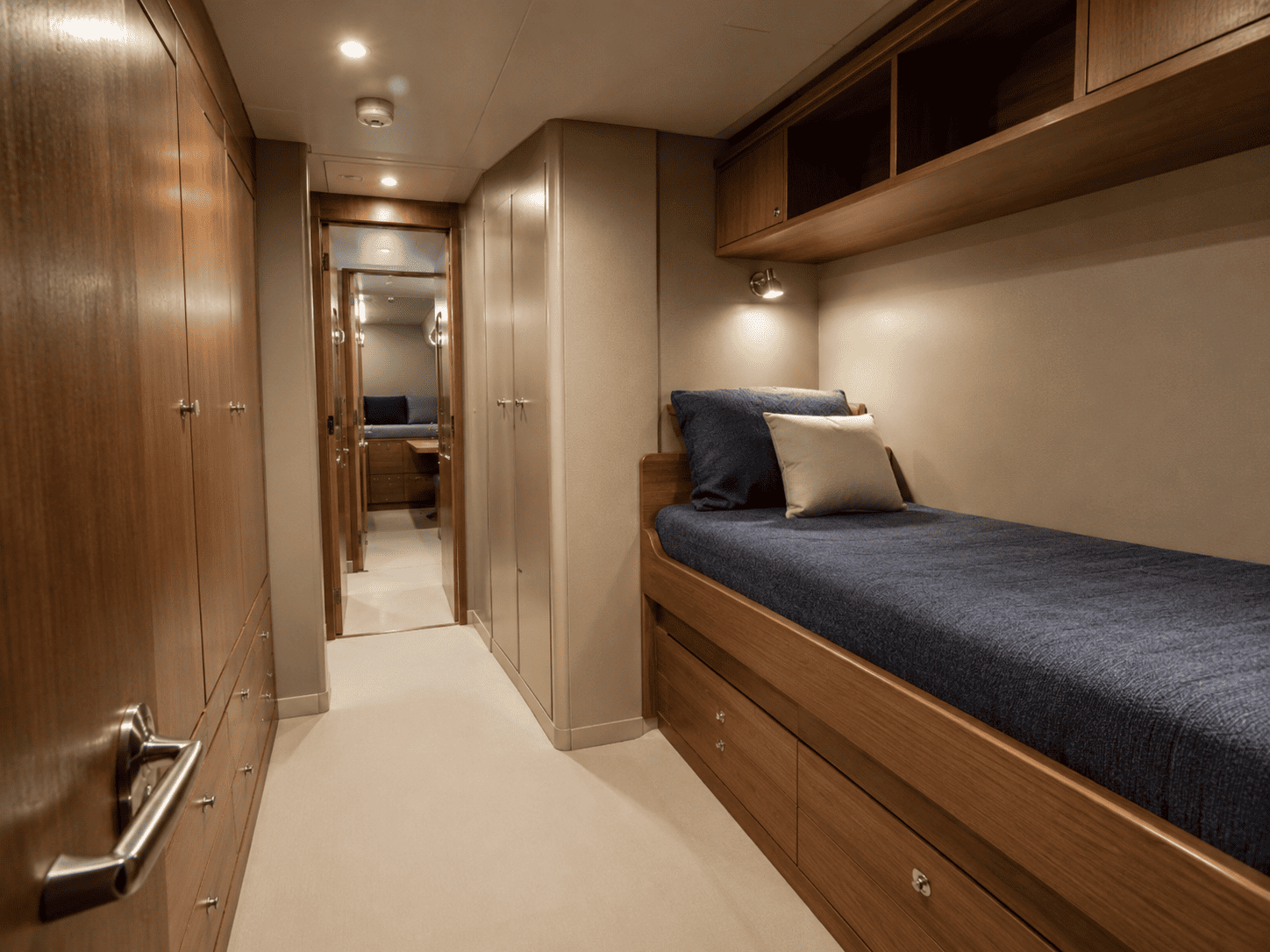
Fixed furniture refers to furniture elements that are installed as part of the vessel interior. These units are generally connected to floors, walls, ceilings or structural components. They are designed according to the exact dimensions of the space and produced for a defined position.
Common examples of marine fixed furniture include:
- Cabin wardrobes
- Bed bases
- Wall units
- Storage systems
- Desks and counters
- Reception units
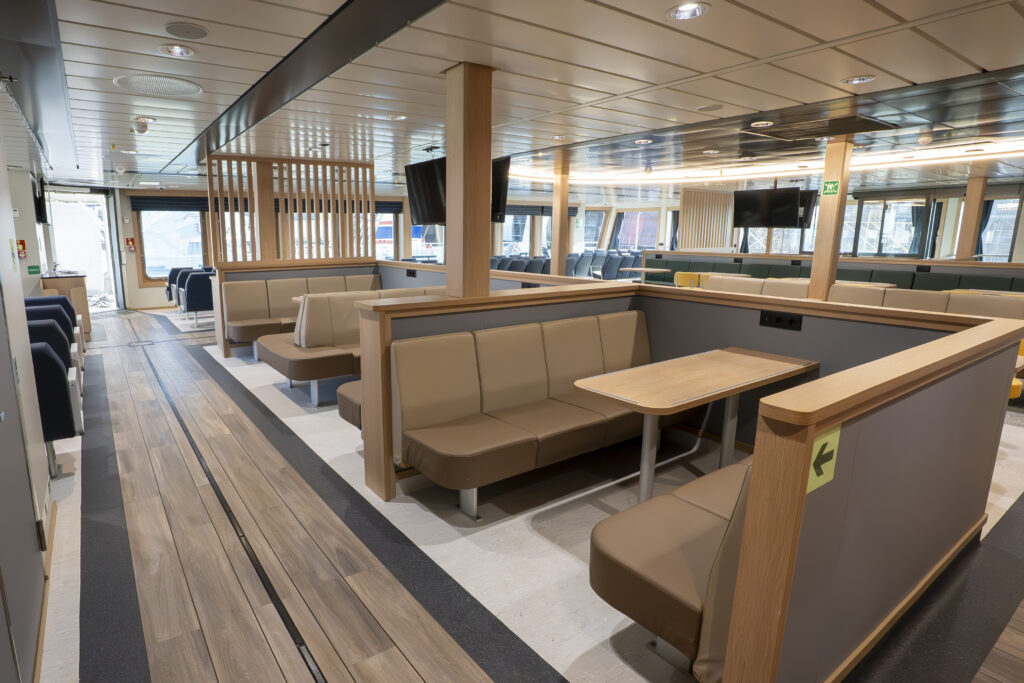
- Built-in seating
- Galley or service area cabinets
- Bathroom vanity units
- Crew cabin storage modules
Fixed furniture is strongly linked to measurement accuracy and installation planning. Once produced and installed, it becomes part of the ship interior system. For this reason, fixed units must align with wall panels, service routes, lighting, ventilation, technical access points and safety requirements.
Cita Marine’s marine furniture capabilities cover fixed furniture solutions for cabins, crew areas, passenger spaces and commercial vessel interiors.
What Is Loose Furniture in Ship Interiors?
Loose furniture refers to furniture items that are not permanently fixed to the vessel structure. These pieces can be moved, replaced, repositioned or maintained more easily than fixed units. In ship interiors, loose furniture still needs to be selected and produced according to marine conditions.
Examples of loose furniture include:
- Dining chairs
- Lounge armchairs
- Sofas
- Coffee tables
- Movable stools
- Freestanding side tables
- Modular seating elements
- Flexible meeting area furniture
Loose furniture is generally used in lounges, restaurants, VIP areas, crew relaxation zones, meeting rooms and public areas where layout flexibility is needed. It allows operators to adjust the space according to service needs, passenger flow or maintenance routines.
Loose furniture should not be treated as standard residential furniture. In marine interiors, movable pieces still need controlled weight, strong structure, suitable upholstery, durable surfaces and safe use under vessel movement.
Core Difference Between Fixed and Loose Furniture
The main difference between fixed and loose furniture is the relationship with the vessel structure. Fixed furniture is planned as an integrated part of the interior. Loose furniture is planned as a movable element inside the interior.
This difference affects several project decisions:
- Measurement method
- Production drawings
- Installation process
- Weight distribution
- Maintenance access
- Safety review
- Material selection
- Logistics and packaging
- Replacement planning
- User comfort
Fixed and loose furniture in ship interiors should be planned together, not as separate design layers. A cabin may depend mostly on fixed furniture, while a lounge may combine built-in seating with movable chairs and tables. A cruise ship restaurant may require fixed service counters and loose dining furniture. A crew area may need fixed storage and movable seating for daily use.
The right balance depends on vessel type, interior function and expected usage intensity.
Where Fixed Furniture Works Best
Fixed furniture is generally stronger in areas where space efficiency, safety and long-term stability are critical. Cabins, corridors, crew areas and technical interiors often require fixed units because movement must be limited and dimensions are tight.
In narrow cabins, fixed wardrobes and bed bases can reduce wasted space. In public corridors, wall-integrated storage or service units can keep circulation routes clear. In crew areas, fixed lockers and storage systems help maintain order during daily operation.
Fixed furniture works well when:
- The area has limited space
- Storage needs to be integrated
- Movement must be controlled
- Technical access is planned in advance
- Furniture must align with walls or panels
- Long-term durability is required
- Repeated cabin modules are needed across many rooms
Cita Marine’s development and production process supports the production of project-specific fixed furniture with accurate dimensions, technical drawings and marine-grade material planning.
Where Loose Furniture Works Best
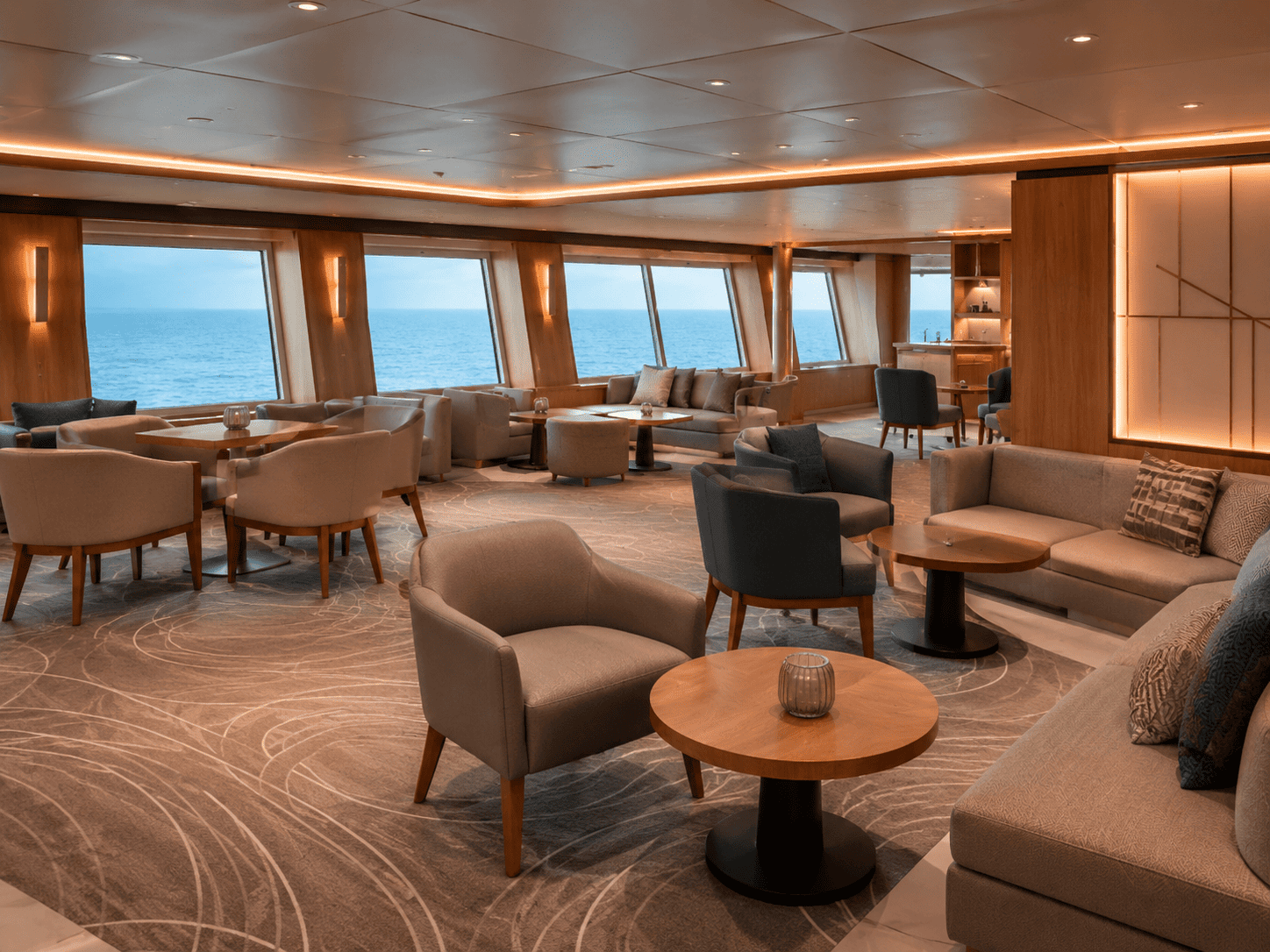
Loose furniture is valuable in areas where flexibility, comfort and layout variation are needed. Public lounges, restaurants, waiting areas, meeting rooms and hospitality spaces often use loose furniture because the function of the space may change during operation.
Cruise ships and passenger vessels may require seating arrangements that can respond to different passenger flows. A lounge may need a relaxed layout during the day and a more organized seating plan for an event. A restaurant may need movable dining chairs for cleaning, service and table layout changes.
Loose furniture works well when:
- The space needs layout flexibility
- Cleaning access is important
- Furniture may need replacement over time
- Passenger comfort is a strong priority
- Service teams need operational freedom
- Seating density may change
- The area has a hospitality-focused function
For cruise ship and passenger vessel interiors, loose furniture should still be coordinated with the wider marine outfitting plan. Materials, colors, forms and durability standards need to remain consistent with the project identity.
Safety and Installation Considerations
Safety is one of the key reasons why fixed and loose furniture must be separated correctly in ship interiors. Fixed furniture requires secure installation. Loose furniture requires controlled stability, suitable weight and safe movement behavior.
Poorly installed fixed furniture can create long-term risks. Loose furniture that is too light, poorly balanced or unsuitable for vessel movement can also cause problems during operation. Each item needs to be evaluated according to its area, use frequency and movement exposure.
For fixed furniture, project teams should review:
- Connection points
- Floor and wall alignment
- Panel integration
- Load behavior
- Fire-rated material compatibility
- Technical access
- Installation sequence
For loose furniture, project teams should review:
- Weight and balance
- Upholstery durability
- Surface resistance
- Cleaning access
- Edge safety
- Movement control
- Replacement planning
Cita Marine’s assembly support helps custom furniture components be installed in line with project drawings and site conditions. In ship interiors, installation quality directly affects safety, performance and final appearance.
Material Selection for Fixed and Loose Marine Furniture
Material selection changes according to whether the furniture is fixed or loose. Fixed units may require stronger structural integration, precise panels and durable connection details. Loose pieces may require lighter construction, durable upholstery, impact-resistant surfaces and easy maintenance.
For both categories, marine-grade materials are critical. Wood, aluminum, veneers, laminates, hardware, adhesives, edge bands and surface coatings should be selected according to vessel conditions. Humidity, cleaning chemicals, vibration, intensive use and fire safety expectations must be considered.
Marine furniture materials should be selected according to function, not only according to appearance.
A fixed cabin wardrobe and a loose lounge chair may belong to the same project, yet they do not perform the same role. Their production logic, durability needs, installation details and maintenance plans differ. Cita Marine combines wood and aluminum in furniture production to create a balance between strength, weight and long-term usability.
Planning Fixed and Loose Furniture in One Project
A strong ship interior does not rely only on fixed furniture or only on loose furniture. The strongest result comes from a coordinated mix. Project teams should decide which elements need permanent integration and which elements should remain flexible.
This decision should be made during the early planning stage, before production drawings are finalized. Late changes may affect dimensions, logistics, installation sequence and cost control.
Cita Marine’s consulting and planning process supports project teams in aligning furniture decisions with space function, vessel type, material strategy and installation requirements. When fixed and loose elements are evaluated together, interiors become more consistent, safer and easier to manage.
Key planning questions include:
- Which furniture elements must be integrated into the structure?
- Which areas need operational flexibility?
- Where is secure installation required?
- Which furniture pieces will face intensive daily use?
- Which pieces may need replacement over time?
- How will logistics and packaging be handled?
- How will installation teams access each area?
These questions help prevent mismatch between design intent and real vessel operation.
FAQ
Is loose furniture safe for ship interiors?
Loose furniture can be safe when it is designed, produced and selected for marine conditions. Weight, balance, upholstery, surface resistance and movement behavior need to be reviewed according to the vessel type and interior area.
Is fixed furniture always better than loose furniture?
No. Fixed furniture is stronger for integration, storage and space efficiency. Loose furniture is stronger for flexibility, comfort and operational change. Ship interiors often need both categories.
Can fixed and loose furniture use the same material language?
Yes. Fixed and loose furniture can share the same design language, colors, finishes and material direction. Their technical structures may differ, yet the overall interior identity can remain consistent.
Creating Better Ship Interiors with the Right Furniture Balance
The difference between fixed and loose furniture in ship interiors is directly linked to safety, comfort, maintenance, space efficiency and long-term performance. Fixed furniture provides integration and stability. Loose furniture provides flexibility and user comfort. When both categories are planned together, ship interiors become more functional and more durable.
Cita Marine brings marine furniture and marine outfitting expertise together through custom production, bespoke joinery, project planning, logistics and installation support. For cabins, lounges, public areas, crew spaces and commercial vessel interiors, project teams can contact Cita Marine through the contact page to discuss fixed and loose furniture solutions for marine projects.