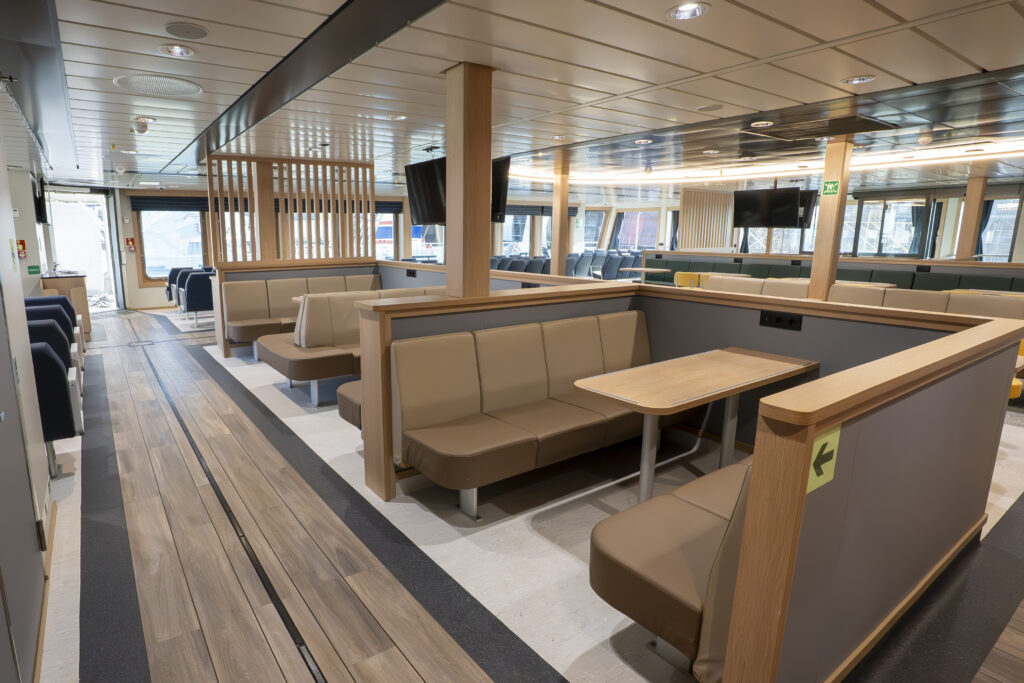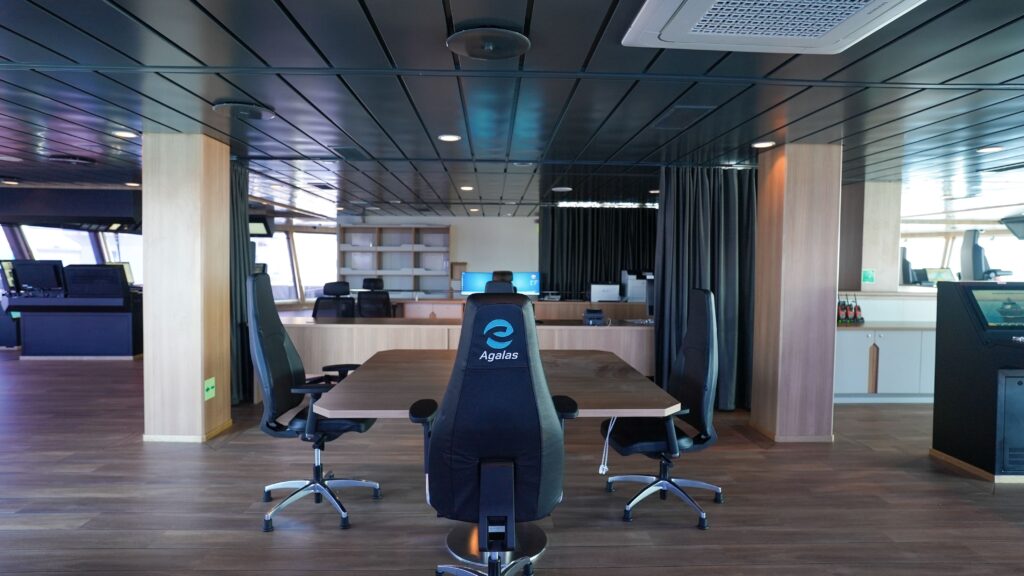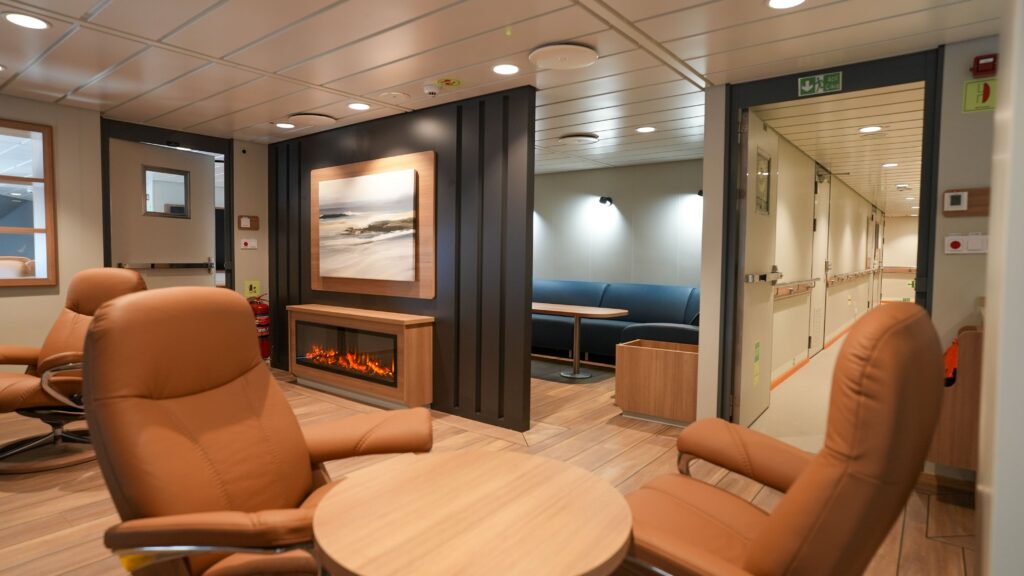
CITA Marine Furniture Successfully Delivers NB1119 Annie Hillina Pelagic Freezer Trawler Interior Outfitting

Çita Marine Furniture Awarded Interior Outfitting Scope for NB66 & NB67 Hydrogen-Powered Cargo Vessels at Gallipoli Shipyard
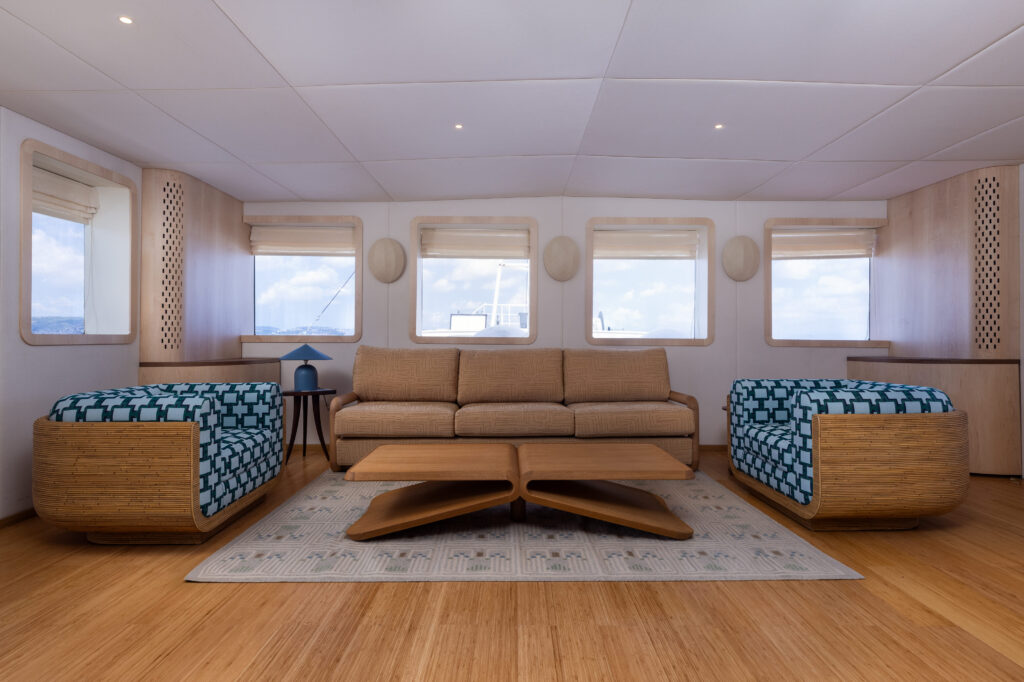


Marine-grade custom furniture is not selected only for appearance. In yacht and ship interiors, furniture must respond to moisture, salt exposure, vibration, limited space, fire safety expectations, intensive use and long project lifecycles. A well-designed table, wall unit, bed base, storage system or seating element needs to perform as part of the vessel, not as a decorative object placed inside it.
For shipowners, shipyards, interior architects and project managers, the right furniture decision affects comfort, maintenance, installation quality and operational safety. In projects where cabins, lounges, crew areas, restaurants, corridors and technical zones are planned together, furniture must be evaluated through material performance, production accuracy and site coordination.
Cita Marine approaches marine furniture as a complete production and outfitting discipline. The process begins with design and planning, continues with material selection and manufacturing, then moves toward packaging, logistics, assembly and on-site installation. For yacht and ship interiors, choosing the right marine-grade custom furniture requires a technical review of every stage.
What Marine-Grade Means in Custom Furniture
The term marine-grade is often associated with aluminum used in external marine applications. In interior furniture, the meaning is broader. It refers to the suitability of materials, construction details and surface finishes for marine conditions.
A piece of marine-grade custom furniture may include engineered wood panels, marine plywood, aluminum structures, stainless steel connection details, certified adhesives, fire-rated surfaces, impact-resistant edges and moisture-resistant coatings. The goal is not only to produce furniture that looks refined. The goal is to create furniture that remains stable, safe and functional in a moving, humid and highly regulated environment.
For yacht and ship interiors, marine-grade quality must be considered in relation to:
- Humidity and temperature changes
- Salt air and corrosion risk
- Vibration and movement
- Fire, smoke and toxicity requirements
- Cleaning and maintenance routines
- Weight limitations
- Fixed installation details
- Long-term durability in high-use areas
In this sense, marine-grade custom furniture is a technical product. It must support the interior concept while meeting the realities of maritime use.
Material Selection for Yacht and Ship Interiors
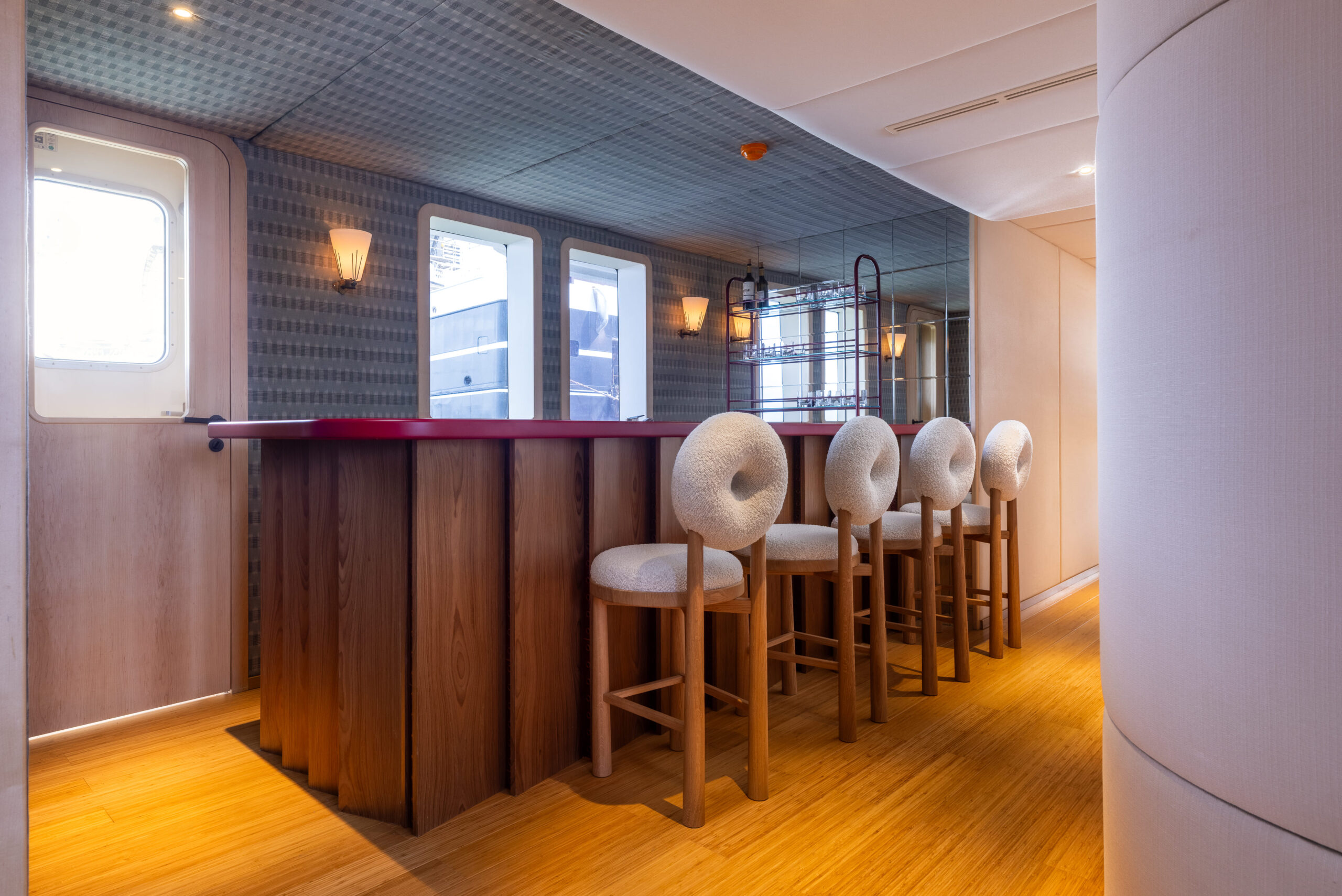
Material selection is one of the first decisions in custom furniture planning. Standard land-based furniture materials are not always suitable for marine environments. Panels, laminates, veneers, aluminum profiles, hardware and surface coatings need to be selected according to the vessel type, installation area and expected usage intensity.
For luxury yacht interiors, visual finish has a higher role. Wood veneers, refined surfaces and bespoke joinery details may shape the character of the space. For commercial vessels, ferries, cruise ships and offshore vessels, durability, maintainability and repeatable production become stronger priorities. In both cases, the furniture must be developed around marine conditions.
Cita Marine combines wood and aluminum in furniture production to achieve a balance between structure, durability and weight control. The company’s development and production process allows custom furniture components to be produced with project-specific dimensions, technical drawings and material standards.
The correct material strategy reduces maintenance risk, supports installation accuracy and extends the service life of ship interior furniture.
Fixed or Loose Furniture: Choosing the Right System
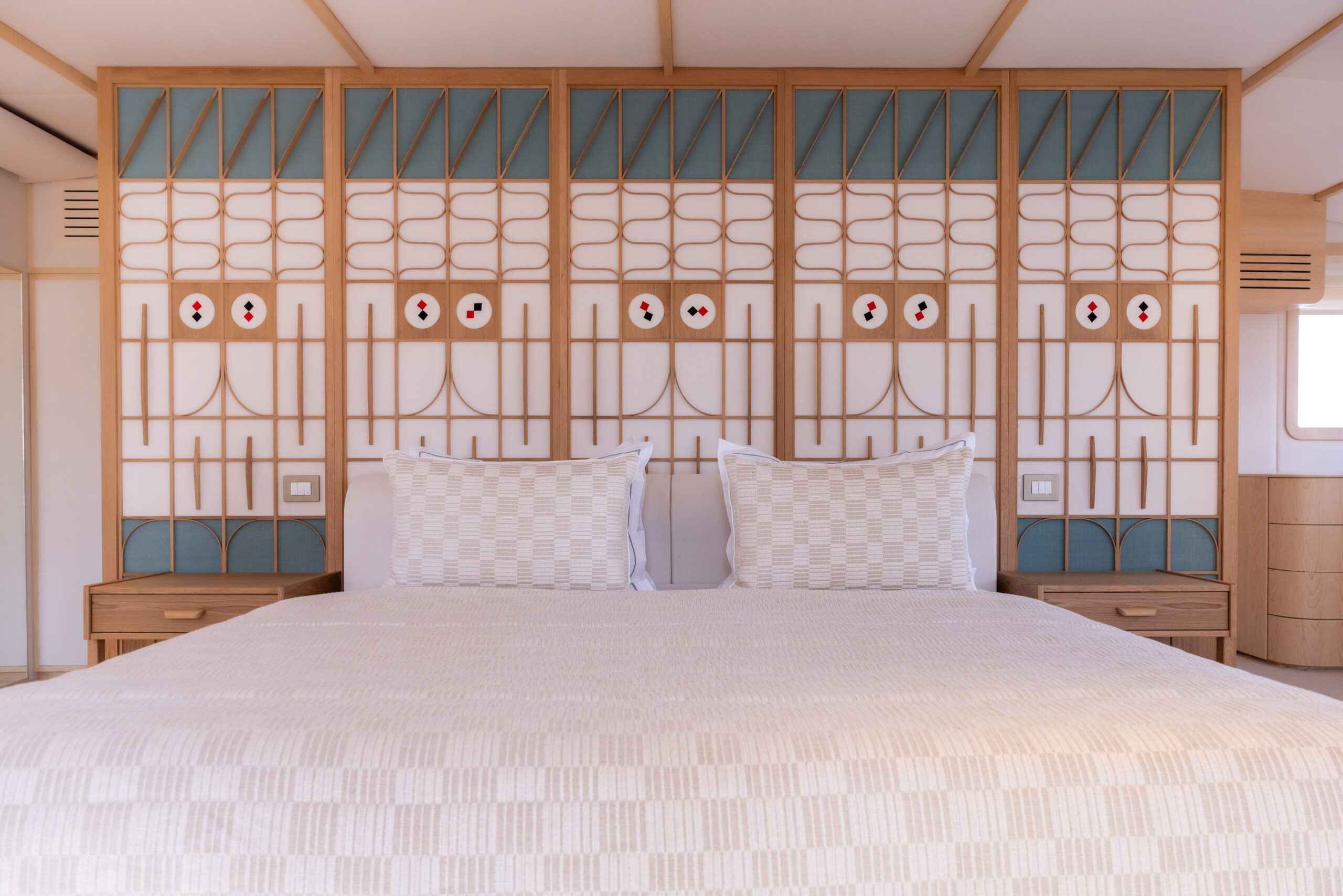
Not every furniture element inside a yacht or ship should be handled in the same way. Some pieces must be fixed to the structure, while others may remain loose or semi-fixed depending on the space and operational need.
Marine fixed furniture is generally used for cabins, wall units, storage systems, counters, beds, desks, reception areas and built-in seating. These elements need precise measurement, secure installation and strong coordination with the ship’s interior layout. Loose furniture may be used in lounges, dining areas, VIP spaces and flexible public zones where movement or rearrangement may be required.
When choosing marine-grade custom furniture, the fixed or loose furniture decision should be made early in the design stage. It affects weight distribution, production drawings, installation details, maintenance access and logistics.
Cita Marine’s marine furniture capabilities cover both fixed and loose furniture for maritime projects. This allows interior spaces to be planned with a consistent material language while responding to the specific function of each area.
Bespoke Joinery and Detail Quality
Luxury yacht and ship interiors often depend on detail quality. Edges, joints, curves, storage integrations, hidden mechanisms and surface transitions directly affect the final perception of the space. In marine projects, these details must be more than visually refined. They must be stable under movement and suitable for long-term use.
Marine joinery requires accurate production, skilled workmanship and strong coordination between design and manufacturing. A cabinet door, curved panel, wall cladding module or integrated storage element may appear simple after installation, yet its production may require several technical decisions.
Cita Marine’s bespoke joinery work supports custom yacht and ship interiors where standard furniture solutions do not meet project requirements. For marine-grade custom furniture, joinery quality is closely linked to measurement accuracy, material compatibility and installation planning.
Weight, Durability and Practical Use
In ship interiors, durability cannot be evaluated separately from weight. Heavy furniture may create unnecessary load, while lightweight furniture without enough structural strength may cause maintenance or safety problems. The right balance depends on vessel type, interior area and project purpose.
For yacht interiors, the balance often involves luxury finish, comfort and concealed storage. For cruise ships, ferries and passenger vessels, furniture may face high daily use. For crew areas, offshore vessels and operational interiors, surfaces and hardware need to be practical, durable and easy to maintain.
A reliable ship furniture manufacturer should consider:
- Structural strength
- Material weight
- Installation method
- Maintenance access
- Surface resistance
- Cleaning requirements
- Replacement or repair planning
Marine-grade custom furniture should be designed for real operating conditions, not only for presentation visuals.
From Design Drawings to On-Site Installation
The furniture selection process does not end with approved drawings. Production accuracy, packaging, transport and installation have a direct effect on final quality. A well-designed furniture item can lose its value if it is damaged during logistics or installed without proper site coordination.
Cita Marine provides project planning, 2D and 3D design development, production, assembly support, global logistics, packaging and on-site installation management. This integrated structure is valuable for shipyards and project owners who need consistency across multiple stages.
For complex marine projects, assembly support helps ensure that custom-made furniture components are installed in line with the project plan. When furniture, wall panels, storage units and outfitting elements are managed together, the risk of mismatch, delay and rework becomes easier to control.
FAQ
Is marine-grade custom furniture only about aluminum?
No. Marine-grade furniture may include aluminum, yet the concept also covers wood panels, marine plywood, certified surfaces, hardware, adhesives, coatings and installation details suitable for marine environments.
Why is custom furniture needed in yacht and ship interiors?
Yacht and ship interiors have limited space, technical restrictions and safety requirements. Custom furniture allows each element to be produced according to exact dimensions, operational needs and the design intent of the vessel.
What is the difference between marine furniture and standard furniture?
Marine furniture must respond to humidity, vibration, fire safety expectations, weight limitations and intensive use. Standard furniture is generally not developed for these conditions.
Building Long-Term Value in Marine Interiors
Choosing marine-grade custom furniture for yacht and ship interiors requires a technical view of materials, design, production, logistics and installation. Furniture inside a vessel must support safety, comfort, durability and efficient use of space while maintaining the intended interior character.
Cita Marine brings together marine furniture and marine outfitting expertise through custom production, bespoke joinery, project planning and installation support. For yacht, cruise ship, ferry and commercial vessel interiors, project teams can contact Cita Marine through the contact page to discuss marine-grade furniture requirements and project-specific interior solutions.