Marine Furniture Procurement for Shipyards: RFQ Requirements and Supplier Selection Guide
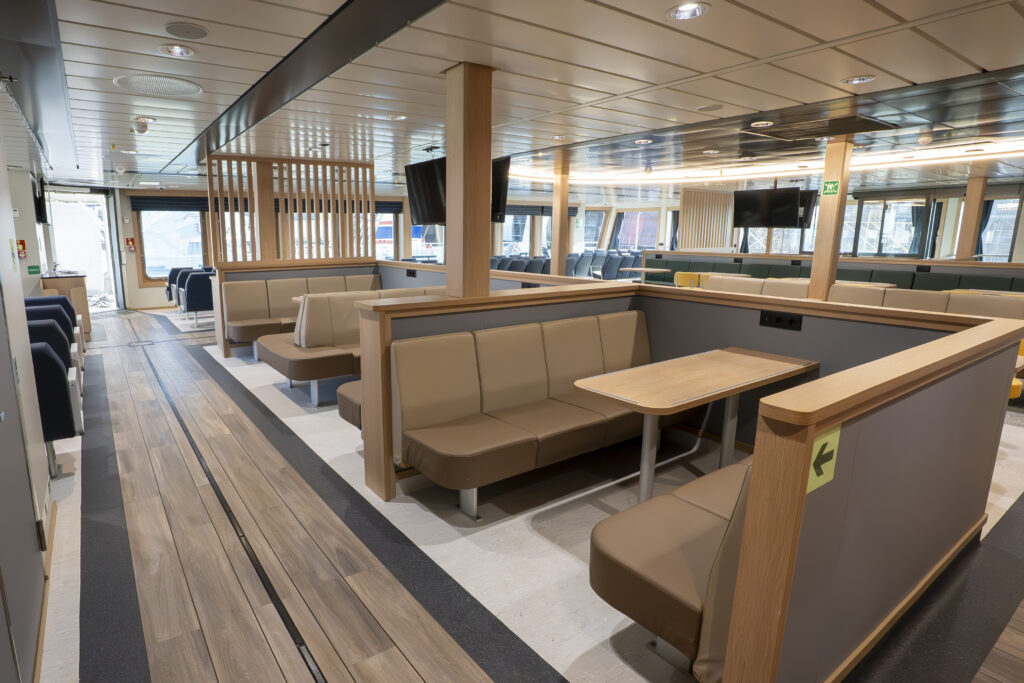


Turnkey marine outfitting for a newbuild vessel brings technical development, production, logistics, onboard installation, and handover into one coordinated execution model. Instead of managing furniture, joinery, shipment, and installation as disconnected packages, the shipyard and owner work with a partner that remains responsible across successive project stages.
The primary benefit is not simply having fewer suppliers. It is maintaining one technical baseline and one coordinated schedule from approved drawings to completed interiors. Newbuild interior work must follow steel completion, insulation, cabling, HVAC, piping, wall and ceiling systems, flooring, access readiness, and commissioning. Every production and delivery decision must therefore be connected to the vessel construction program.
Cita’s marine outfitting services combine planning, technical development, manufacturing, project coordination, logistics, and installation for newbuild and refit projects.
What Does Turnkey Marine Outfitting Mean?
A turnkey ship interior package continues through defined project stages rather than ending with factory supply. The outfitting company translates design intent into buildable information, manufactures the agreed scope, plans delivery around vessel readiness, coordinates onboard installation, and supports final closeout.
“Turnkey” should not be treated as an undefined promise that automatically includes every interior trade. The exact scope must be established for each vessel. The contract should identify the decks and spaces included, furniture and joinery packages, installation responsibilities, documentation, and interfaces with wall panels, ceilings, flooring, HVAC, electrical systems, plumbing, and other outfitting contractors.
Clear scope boundaries allow the shipyard to benefit from integrated execution without creating uncertainty about who is responsible for adjacent systems.
The Turnkey Marine Outfitting Process for Newbuild Vessels
1. Scope Definition and Project Planning
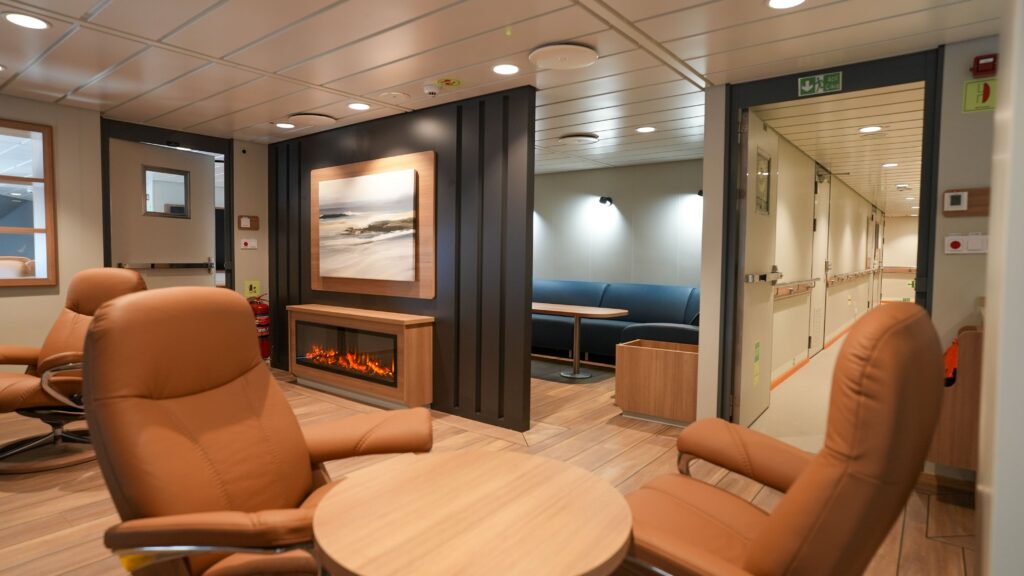
The process begins by defining the spaces, products, services, and responsibilities included in the package. The scope may cover cabins, crew areas, offices, mess rooms, lounges, bridge furniture, storage units, fixed and loose furniture, bespoke joinery, hardware, installation consumables, final adjustments, and agreed documentation.
A responsibility matrix should record which party owns design development, material approval, interface dimensions, access preparation, transport, unloading, onboard movement, installation, protection, punch-list closure, and final documentation.
The project team should then establish a master sequence covering:
- Drawing and technical-query milestones
- Material and finish approvals
- Prototype or mock-up approval
- Production release dates
- Factory inspection points
- Packaging and shipment batches
- Deck and zone readiness dates
- Installation manpower and access periods
- Final inspection and handover
This sequence becomes the common reference for the shipyard, project team, factory, logistics team, and onboard workforce.
2. Technical Development and Production-Ready Drawings
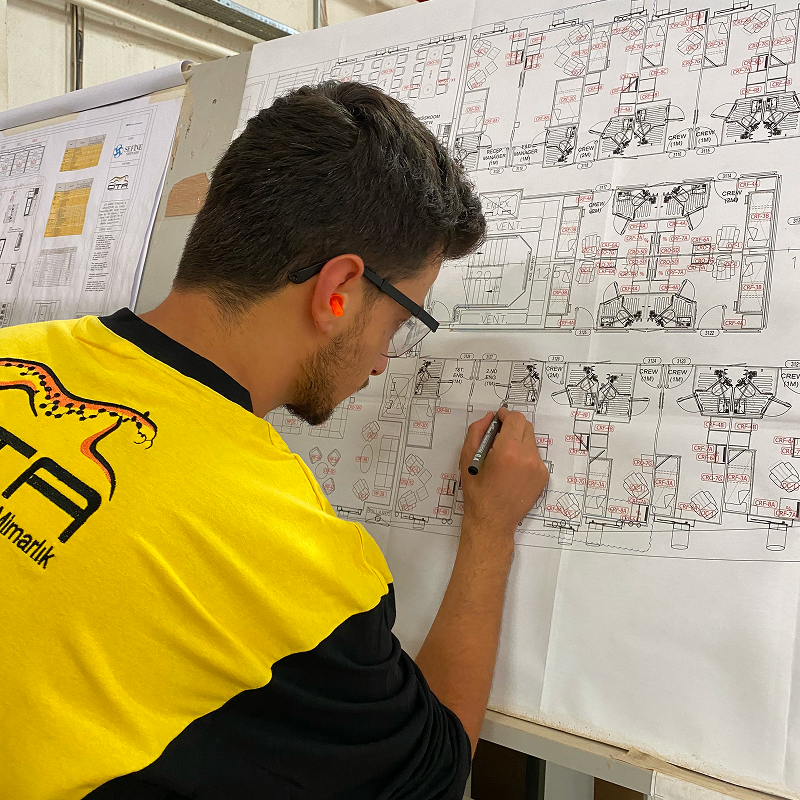
Interior concepts must be converted into dimensions, materials, hardware, fixing details, and interfaces that can be manufactured consistently. Shop drawings should reflect available vessel geometry, approved room layouts, maintenance access, module dimensions, and coordination requirements.
Repeated cabin types should be standardized where practical. Special rooms and public spaces may require project-specific detailing. The technical team should also check whether furniture modules can pass through doors, corridors, lifts, and temporary openings before final dimensions are released.
A design can appear correct on screen but fail onboard if it blocks a service panel, conflicts with another trade, exceeds access limits, or relies on an unapproved fixing point. Production-ready drawings must therefore be reviewed against both manufacturing and installation conditions.
3. Material Approval, Prototypes, and Mock-Ups
Newbuild projects may require approval of substrates, visible finishes, hardware, edge details, fixing methods, and representative furniture units before serial production begins. A full cabin mock-up or first-off unit can validate dimensions, ergonomics, appearance, interfaces, workmanship, and assembly logic.
The approval workflow should define:
- Required samples and prototypes
- Submission and review dates
- Responsible reviewers
- Acceptance criteria
- Comment and resubmission procedures
- The approval required before serial production
Late material or hardware changes can affect procurement lead times, CNC programs, production batches, packaging, and installation dates. Approval status should therefore remain visible in the main project schedule.
4. Development and Production
Once drawings and materials are approved, the project moves into controlled manufacturing. Production should be organized according to vessel zone, deck, cabin type, or installation sequence rather than only by furniture category. This allows factory output to remain aligned with packing, shipment, and onboard access.
Cita’s development and production workflow connects technical drawings with prototyping, CNC-supported manufacturing, modular furniture production, and in-process quality checkpoints.
Production planning should identify material availability, batch quantities, inspection points, planned completion dates, and dependencies. A late change should be assessed against affected drawings, materials, units, packaging, and delivery milestones before it is released to the factory. Unaffected batches should continue whenever possible so that one revision does not interrupt the entire program.
5. Bespoke Joinery and Special Interior Elements
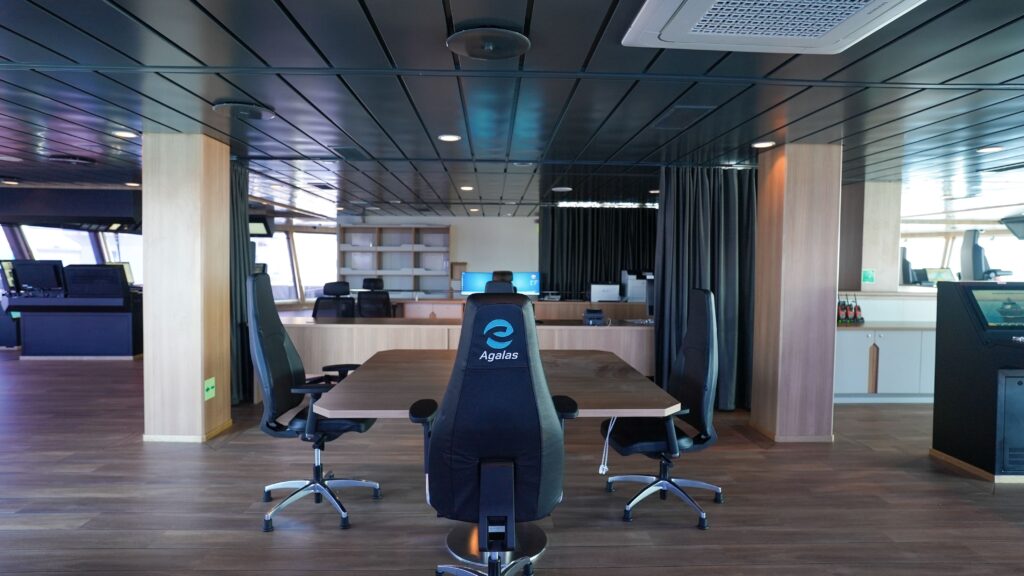
Not every space can be completed with repeated modular units. Reception desks, bridge furniture, public-space cabinetry, handrails, decorative elements, and vessel-specific details may require bespoke joinery.
These items often have more interfaces with walls, ceilings, flooring, lighting, equipment, and surrounding finishes. They should remain within the same drawing, approval, production, and installation-control system as the rest of the package. Treating special items as isolated workshop orders can create gaps in dimensions, finishes, and site responsibilities.
6. Quality Control Before Shipment
Quality control should take place throughout production rather than only when an item is ready to leave the factory. Inspection may include incoming material checks, dimensions, visible finishes, hardware operation, fixing points, labels, quantities, trial assembly, and packaging readiness.
Non-conformities are generally easier to correct in the workshop than onboard. For repeated units, inspection records also help determine whether an issue is isolated or connected to a wider production batch.
Quality control should follow the project sequence. Units required for the first installation zones should be inspected, closed, documented, and packed first. This avoids holding installation-critical items until the entire furniture package is complete.
7. Packaging and Logistics by Installation Sequence
Marine furniture may pass through several handling stages before reaching its final room. Packaging should protect finished surfaces against impact, moisture, dust, and repeated movement. Labels should identify the vessel, deck, zone, room or cabin, item code, and package sequence.
For newbuild marine outfitting, delivery sequence is as important as delivery date. Sending a full deck package before the deck is ready can increase storage, handling, and damage risk. Late delivery can interrupt the onboard work program. Shipment batches should therefore be linked to zone readiness and available access.
Packing lists and shipment status should be shared in a format that allows the shipyard and installation team to identify what has been dispatched, received, stored, moved onboard, and installed.
8. Onboard Installation and Shipyard Coordination
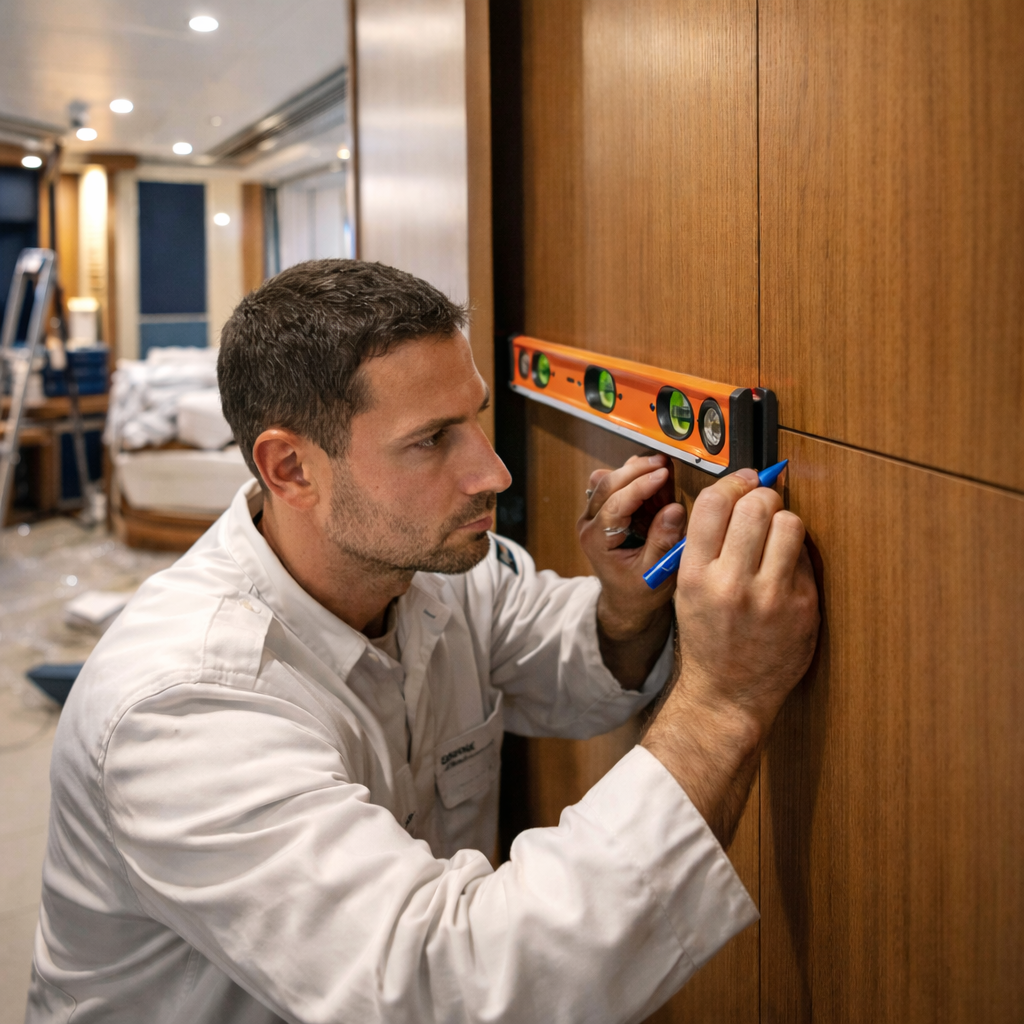
Onboard installation is where drawings, manufacturing decisions, packaging logic, and actual vessel conditions meet. The installation team must coordinate room readiness, work permits, access routes, lifting support, temporary protection, material movement, waste removal, and the activities of other subcontractors.
Cita’s assembly support connects onboard supervision and installation work with the same technical and quality requirements used during production.
Small differences between approved drawings and the completed vessel structure may require controlled site adjustments. These changes should be documented and reviewed rather than handled as unrecorded modifications. The project team should also track installed quantities, incomplete rooms, access restrictions, damaged items, replacement requirements, and open interfaces.
9. Punch List, Final Inspection, and Handover
Before handover, each space should be inspected for alignment, fixing, hardware operation, visible damage, missing items, cleaning, finish consistency, and interface completion. Punch-list items should be recorded by room, item, responsible party, and target closure date.
Final closeout may include approved drawings, material records, inspection reports, spare-parts lists, care and maintenance information, warranty documentation, and confirmation that punch-list items have been closed.
Handover is therefore a controlled project stage, not simply the point when installation teams leave the vessel.
Project Controls That Keep the Process Connected
An integrated marine outfitting model depends on shared and current project information. The following controls help keep technical development, production, delivery, and installation aligned:
- Master schedule: Connects approvals, production, shipment, zone readiness, and installation.
- Drawing register: Records drawing status, revision, submission date, approval status, and production release.
- Material approval register: Tracks samples, certificates, comments, and approved alternatives.
- Change register: Identifies affected units, materials, costs, and milestones before a revision is implemented.
- Production progress report: Shows batch status, inspection progress, and planned completion.
- Shipment tracker: Records packing, dispatch, delivery, and receipt by deck or zone.
- Installation progress report: Tracks completed, restricted, and outstanding spaces.
- Punch-list register: Assigns responsibility and closure dates for final comments.
These tools create traceability between a decision made during technical development and its effect at the factory or onboard.
Key Deliverables at Each Project Stage
| Project stage | Main activities | Typical project output |
|---|---|---|
| Scope definition | Confirm included areas, services, and interfaces | Scope and responsibility matrix |
| Technical development | Resolve dimensions, details, access, and coordination | Approved shop drawing package |
| Material approval | Review finishes, substrates, hardware, and required documents | Approved material and finish schedule |
| Prototype and mock-up | Validate dimensions, ergonomics, interfaces, and quality | Approved prototype or first-off record |
| Production | Manufacture by agreed batch and installation priority | Production schedule and inspection records |
| Packaging and logistics | Protect, label, document, and dispatch units | Packing lists and phased shipment plan |
| Onboard installation | Install, adjust, inspect, and coordinate with other trades | Installation progress records |
| Handover | Close comments and submit final information | Closed punch list and handover package |
The exact deliverables should be adapted to the contract, vessel type, classification requirements, and shipyard procedures.
Why Newbuild Projects Benefit from a Turnkey Model
One Technical Baseline
When technical development, production, and installation are connected, a drawing revision can be assessed for material, manufacturing, packaging, delivery, and onboard consequences at the same time. The model does not eliminate change, but it makes the effect of change more visible and easier to control.
Better Alignment with Shipyard Milestones
Production batches and installation manpower can be planned around deck and zone readiness rather than independent supplier dates. On multi-deck accommodation projects, work can continue in ready areas even when another zone is delayed.
Consistent Quality from Factory to Vessel
The quality standard established during sample or prototype approval should remain consistent through serial production and installation. Shared inspection criteria make it easier to identify whether a problem originated in manufacturing, transport, storage, onboard handling, or installation.
Clearer Responsibility During Execution
A coordinated turnkey model reduces the gaps that can occur when technical development, production, transport, and installation are managed under unrelated scopes. The shipyard gains a clearer escalation route and fewer handovers between separate parties.
Defining the Right Turnkey Partner for the Project
A marine outfitting company should be able to show how its teams exchange current technical information across the project. Relevant marine references, available engineering resources, production capability, reporting discipline, logistics planning, and onboard experience should support the proposed execution model.
The shipyard should confirm that the promised turnkey ship interior scope matches the contract rather than relying on a broad service description. Scope, exclusions, interfaces, project outputs, reporting frequency, and closeout responsibility should all be agreed before execution begins.
For a detailed approach to preparing RFQs and evaluating furniture suppliers, shipyards can also refer to the marine furniture procurement and supplier selection guide once published.
Cita Marine Furniture as a Newbuild Interior Execution Partner
Cita Marine Furniture has more than 28 years of marine-sector experience and supports newbuild and refit projects with technical development, production, bespoke joinery, logistics, and onboard assembly. Its integrated structure connects factory execution with shipyard coordination while keeping responsibilities tied to the agreed project scope.
For shipyards and owners, the value of turnkey marine outfitting is a controlled sequence from production-ready information to completed onboard interiors. Drawings, approvals, manufacturing, delivery, installation, and closeout remain connected instead of becoming separate furniture orders.
Plan the Interior Around the Vessel Construction Sequence
Successful turnkey marine outfitting begins before the first furniture unit enters production. It starts by defining the package, identifying trade interfaces, preparing buildable information, and connecting factory output to actual onboard access.
When approvals, manufacturing, logistics, installation, and handover are managed against the same technical baseline and schedule, the interior scope becomes easier to monitor and less exposed to late-stage coordination problems.
Cita Marine Furniture supports newbuild teams from early technical planning through production and onboard installation. Share the accommodation scope, available drawings, milestone dates, interface requirements, and installation sequence through the Cita Marine Furniture contact page.