Turnkey Marine Outfitting for Newbuild Vessels: From Planning to Onboard Installation
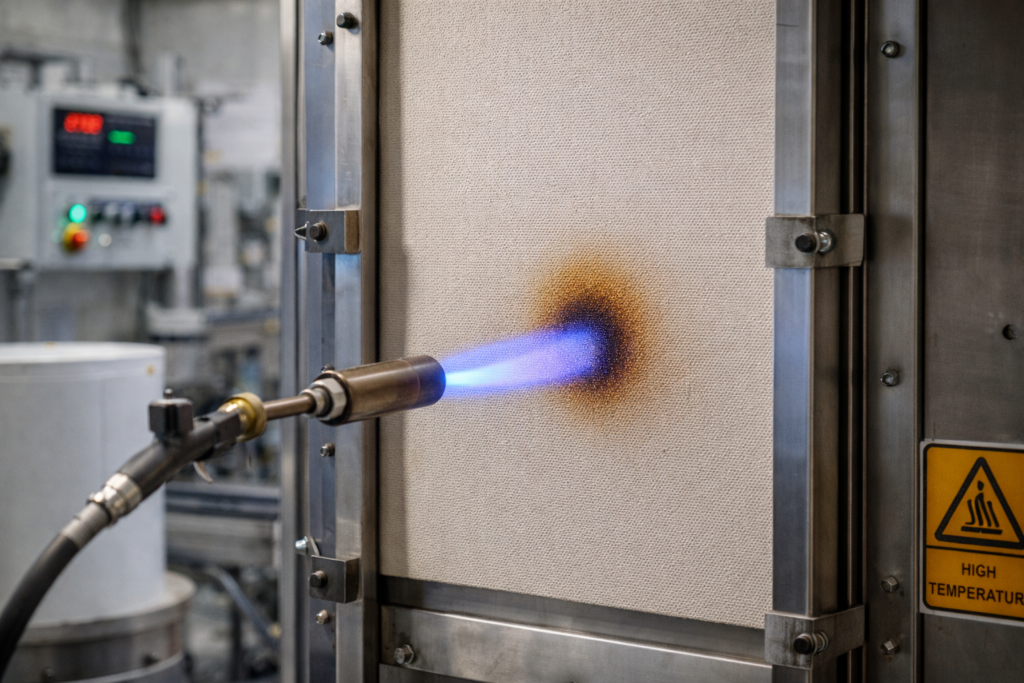


Material selection in yacht and ship interiors is not only a matter of appearance, durability or comfort. In marine environments, interior materials may also need to meet strict fire safety requirements based on the vessel type, flag state, classification requirements and intended area of use. For this reason, IMO compliant materials play an important role in professional marine interior projects.
Panels, textiles, artificial leather, flooring, coatings and upholstered furniture may all be subject to specific fire performance requirements before they can be considered suitable for installation onboard. Understanding what compliance means—and how materials should be evaluated before procurement and production—helps shipyards, designers and project teams reduce risk and make more informed material decisions.
What Are IMO-Compliant Materials?
The term “IMO-compliant materials” generally refers to materials or products that have been tested and approved in accordance with applicable fire-safety requirements established through International Maritime Organization instruments. It is important to distinguish this from the commonly used expression “IMO-certified.” IMO itself does not test or certify commercial products. Testing is normally performed by laboratories recognized by maritime Administrations, while approval is issued by the relevant Administration or an authorized competent authority.
One of the main regulatory references for interior fire performance is the 2010 International Code for Application of Fire Test Procedures, commonly known as the IMO FTP Code. The FTP Code establishes procedures covering areas such as:
- Non-combustibility
- Smoke and toxicity
- Surface flammability
- Primary deck coverings
- Vertically supported textiles and films
- Upholstered furniture
- Bedding components
- Fire-resisting divisions
These requirements help determine whether specific materials are suitable for use in regulated areas onboard ships.
Why Material Compliance Matters in Marine Interiors
Fire behaves differently onboard a vessel than it does in a conventional building. Enclosed compartments, limited evacuation routes and the complexity of ship systems make controlling ignition and flame spread especially important. SOLAS fire protection requirements therefore aim not only to detect and extinguish fires but also to reduce the likelihood of fire spreading through materials used onboard. Interior elements such as carpets and wall coverings are specifically controlled as part of this approach.
Material selection should therefore begin early in the marine interior planning process. Choosing an attractive finish first and evaluating its technical suitability later can lead to redesign, replacement, approval delays and additional procurement costs. A more reliable approach is to consider visual, functional and compliance requirements together from the beginning of the project.
Which Materials May Require IMO Fire-Safety Compliance?
Requirements vary according to the vessel, location onboard, flag Administration and applicable regulations. However, several categories frequently considered during marine interior material selection include the following.
1. Wall and Ceiling Panels
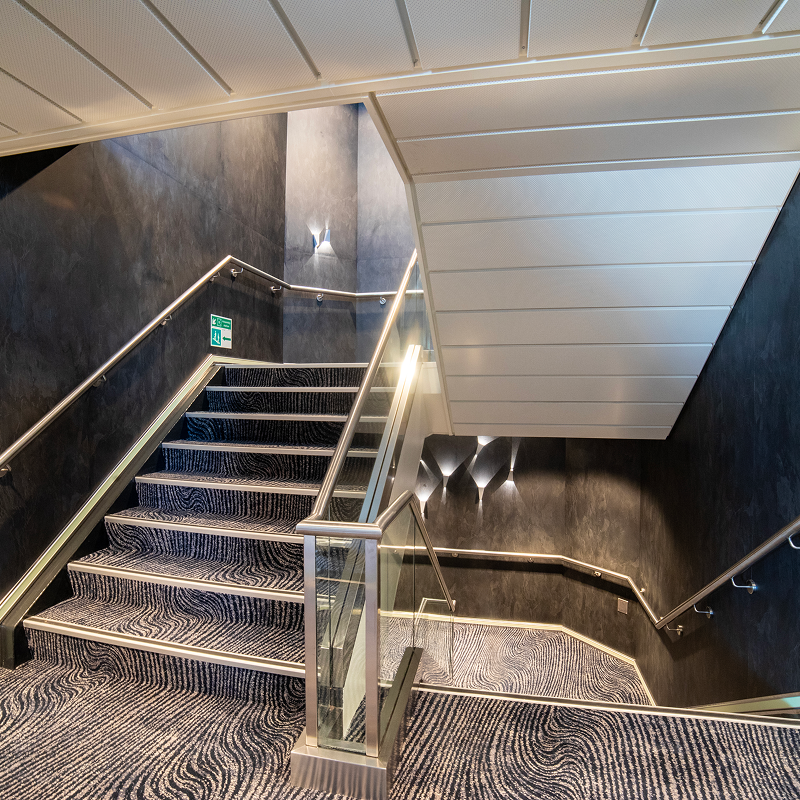
Panels form a significant part of cabins, corridors, public areas and crew spaces. Depending on their application, panel systems and their surface finishes may need to demonstrate properties such as limited flame spread, low smoke production or appropriate fire resistance.
The complete construction should also be considered. A decorative surface may appear compliant on its own, but the substrate, adhesive, coating and final assembly can affect the performance and approval status of the finished system. For this reason, marine panel selection should be based on the approved configuration rather than appearance or individual material properties alone.
2. Textiles and Curtains
Textiles contribute significantly to the visual character and comfort of passenger and accommodation areas. Curtains, draperies and other vertically supported textiles, however, can also influence how quickly a flame spreads through an interior. The IMO FTP Code includes dedicated testing procedures for vertically supported textiles and films. When selecting marine textiles, project teams should therefore evaluate:
- Intended application
- Fire-test documentation
- Approved composition
- Installation method
- Durability under intensive marine use
- Cleaning and maintenance requirements
This allows aesthetic requirements to be addressed without separating them from onboard safety considerations.
3. Artificial Leather and Upholstery Materials
Artificial leather and other upholstery materials are widely used for seating, headboards, wall details and custom furniture. In these applications, compliance cannot always be evaluated by looking only at the outer covering. Foam, filling materials, backing layers and the construction of the finished furniture can all affect fire performance.
The IMO FTP Code includes specific procedures for testing upholstered furniture, making the finished construction particularly important when selecting seating and similar interior elements. Marine upholstery should therefore combine:
- Suitable fire performance
- Resistance to wear
- Ease of cleaning
- Moisture resistance
- Long-term dimensional stability
- Appropriate documentation for the project
4. Surface Finishes and Decorative Materials
Laminates, veneers, decorative films, paints and coatings allow designers to create distinctive marine interiors without relying on a limited visual palette. However, the decorative layer applied to a wall, ceiling or furniture component may alter the fire characteristics of the complete surface. Surface flammability and smoke production can therefore become important considerations.
The FTP Code specifically addresses surface-flammability testing as part of its fire-safety framework. This means that material substitutions should be reviewed carefully during a project. Changing a veneer, coating, adhesive or decorative layer may affect whether the approved configuration remains valid.
The IMO FTP Code and Marine Interior Material Selection
The IMO FTP Code provides a standardized international framework for evaluating the fire performance of products referenced by SOLAS Chapter II-2. Rather than applying one identical test to every material, the required procedure depends on the product and its intended use. For example, a curtain, an upholstered chair and a wall panel perform different functions and therefore may be evaluated through different test procedures.
This is why the question should not simply be:
“Is this material IMO compliant?”
A more useful set of questions is:
- Where will the material be installed?
- What is its intended function?
- Which FTP Code requirement applies?
- Has the material been tested in the relevant configuration?
- Is the approval documentation valid for the proposed application?
- Does the approval satisfy the vessel’s flag and project requirements?
This project-specific approach reduces the risk of relying on a certificate that does not actually cover the intended application.
Documentation Is as Important as Material Performance
Marine procurement does not end when a technically suitable material is identified. Documentation should also be reviewed before the product enters production. Depending on the project, relevant documentation may include:
- Type approval certificates
- Fire test reports
- Product identification
- Manufacturer details
- Approved construction or composition
- Certificate validity
- Application limitations
- Installation requirements
Under the FTP Code, approval applications include information such as product identification, construction details and relevant fire-test reports. Significant changes to an approved product can also affect the validity of its approval. Document control is therefore particularly important when alternative products or material substitutions are introduced during procurement.
Material Selection Should Start During Planning
Compliance becomes easier to manage when it is integrated into the project before production begins. During marine interior planning, material requirements can be coordinated with:
- Space functions
- Vessel specifications
- Shipyard requirements
- Furniture construction
- Weight considerations
- Maintenance expectations
- Procurement schedules
- Installation conditions
Cita Marine’s marine interior planning approach integrates material planning and procurement sequencing with production requirements while considering applicable IMO/SOLAS, flag, class and shipyard requirements. This early coordination is particularly valuable on large projects where the same finish or material family may be repeated across cabins, corridors, public areas and crew spaces.
From Compliant Materials to Ship-Ready Furniture
Material compliance alone does not guarantee a successful marine interior. The selected materials must also be converted into furniture and interior components that meet project requirements in terms of construction quality, durability and installation. Cita Marine’s development and production activities include project-specific modular furniture for marine living quarters, with material and finish decisions made around safety, functionality and long-term onboard performance.
The same principle applies to custom joinery. Cabinetry, paneling, storage units and other bespoke elements need to combine project-specific design with materials and construction methods appropriate for marine environments. The result is a more integrated process in which material selection, technical planning, production and installation are treated as connected stages rather than separate decisions.
How to Select IMO-Compliant Materials for a Marine Project
Before approving a material for a yacht or ship interior, project teams should evaluate more than the supplier’s product description. A practical selection process should include:
- Identify the intended application.
Determine exactly where and how the material will be used. - Confirm applicable project requirements.
Review vessel type, flag Administration, classification requirements and shipyard specifications. - Check the relevant fire-performance criteria.
Determine which FTP Code test or approval requirement applies to the intended application. - Review the complete material configuration.
Consider substrates, adhesives, coatings, foams and other components that may form part of the approved assembly. - Verify supporting documentation.
Confirm that certificates and test documentation correspond to the exact product and intended use. - Control substitutions during procurement.
Do not assume that a visually similar alternative has equivalent approval. - Coordinate material decisions with production.
Ensure that the approved material can be manufactured, installed and maintained as required.
Safety, Design and Performance Should Work Together
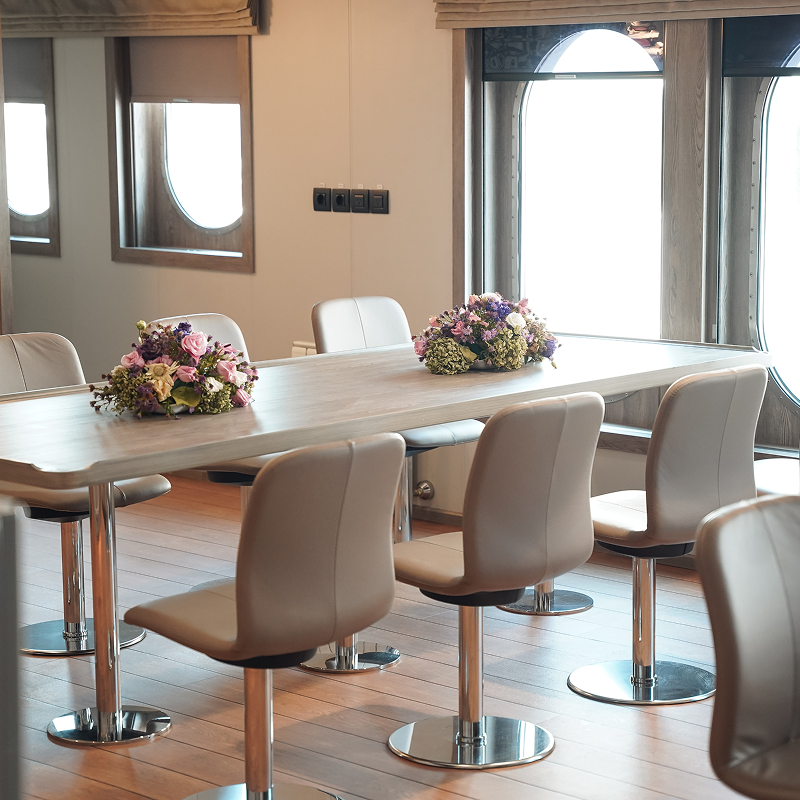
Marine interiors do not need to choose between technical compliance and design quality. A broad range of panels, textiles, upholstery products and decorative finishes can be integrated into modern yacht and ship interiors when they are selected according to the correct technical criteria. The key is to treat compliance as part of material specification rather than as a final check before installation.
By integrating material evaluation with planning, procurement and production, project teams can create interiors that support fire safety while still meeting expectations for comfort, durability and visual quality. For Cita Marine, material selection forms part of a wider marine outfitting process that connects planning, furniture development, production and onboard execution. Selecting the right IMO compliant materials at the beginning of that process helps create safer, more reliable and more efficient marine interior projects.
FAQ
What does IMO compliant mean for marine materials?
IMO compliant generally means that a product has been tested and approved according to requirements contained in applicable IMO instruments, such as the FTP Code. IMO itself does not issue commercial product certifications; approvals are handled by maritime Administrations or authorized bodies.
What is the IMO FTP Code?
The International Code for Application of Fire Test Procedures provides standardized fire-test and approval procedures for materials and products referenced under SOLAS Chapter II-2. It covers areas including surface flammability, smoke and toxicity, textiles and upholstered furniture.
Which interior materials are affected by IMO fire-safety requirements?
Depending on their application, materials such as wall and ceiling finishes, floor coverings, textiles, upholstery, furniture components and other surface materials may be subject to relevant fire-performance requirements.
Are all yacht interior materials required to meet the same IMO standards?
No. Applicable requirements depend on factors such as vessel type, size, flag state, regulatory regime, class requirements and the location in which the material will be installed. Project-specific requirements should always be verified before material approval.
Can an approved marine material be replaced with a similar product?
Not automatically. Changes in composition, finish, substrate or construction may affect approval. Replacement products should be checked against applicable project requirements and supporting documentation before use.
Plan Material Compliance Before Production Begins
Planning a yacht or ship interior project requires more than selecting materials by appearance alone. Cita Marine combines marine interior planning, material coordination, furniture development and production to support project-specific technical and operational requirements from the early stages through onboard execution. To assess materials against your vessel type, intended application and documentation requirements, contact Cita Marine.