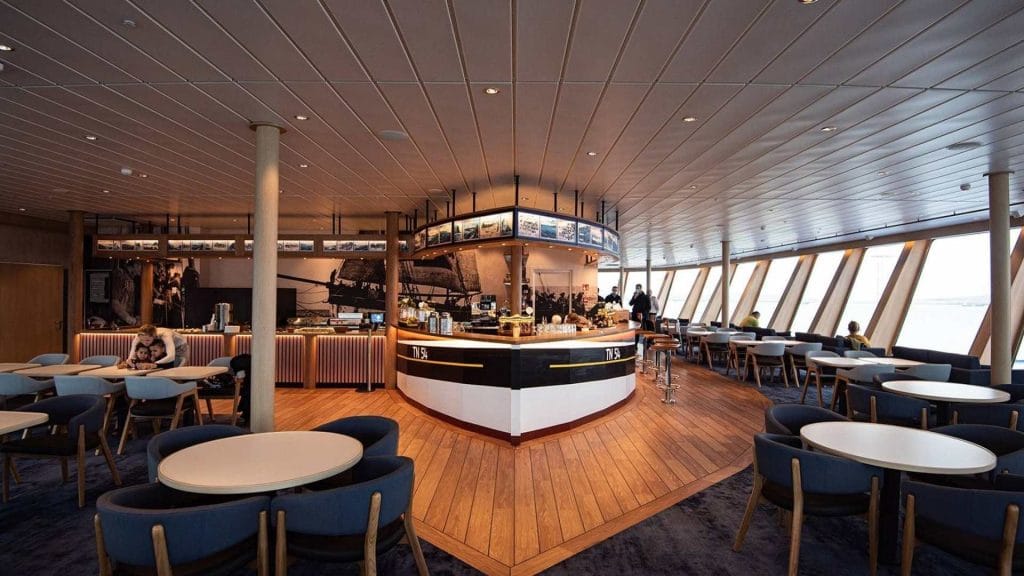
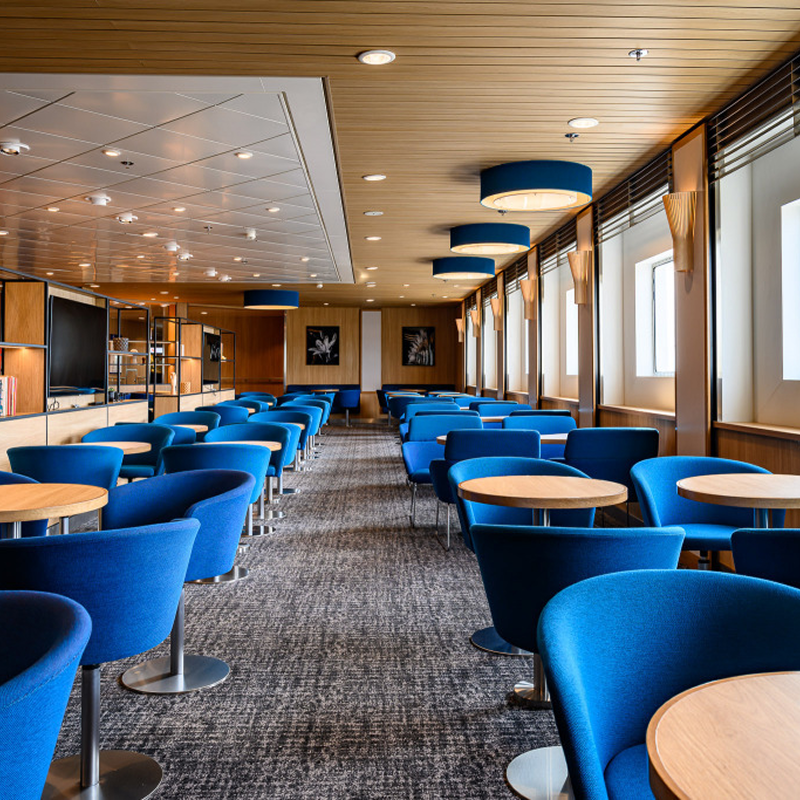
CITA Marine on a New Bilgin Yacht Motor Yacht Project

Turnkey Marine Outfitting for Newbuild Vessels: From Planning to Onboard Installation
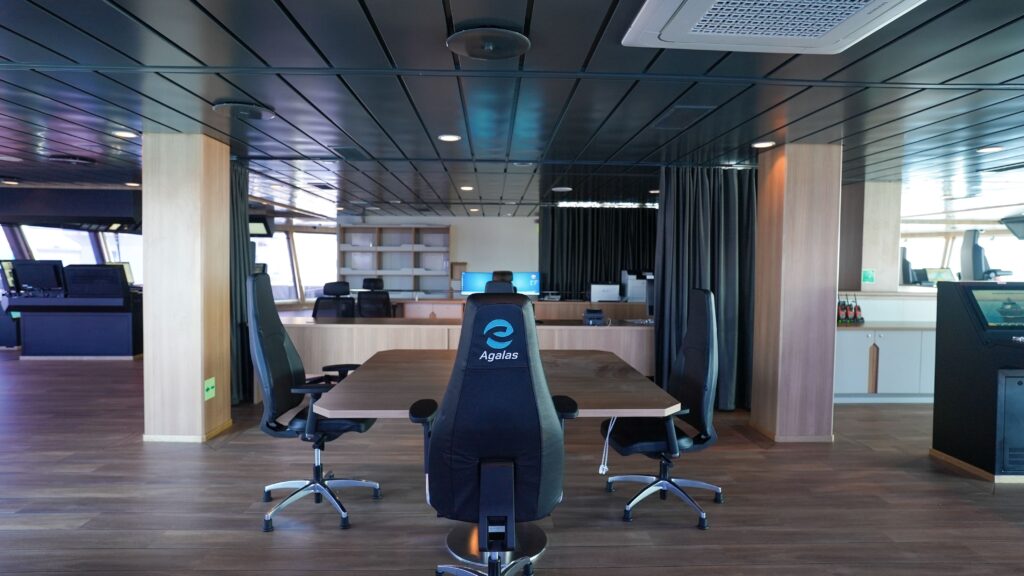


Marine furniture procurement for shipyards is not a standard purchasing exercise. It connects naval architecture, interior planning, production engineering, project scheduling, compliance, logistics, and onboard installation. The objective is not simply to compare unit prices. It is to select a supplier that can translate the RFQ into a clearly defined, technically compliant, and ship-ready scope.
A well-prepared marine furniture RFQ gives every bidder the same technical baseline. It reduces assumptions, exposes scope gaps before contract award, and makes quotations easier to compare. It also helps the shipyard assess whether a supplier can support the complete project sequence, from drawing development and production to phased delivery and onboard execution.
What Should a Marine Furniture RFQ Include?
The quality of a quotation depends heavily on the information issued with the request. The RFQ should define what will be supplied, where each item will be installed, how the furniture interfaces with the vessel, and which party is responsible for every stage. Missing drawings, unclear responsibilities, or undefined approval procedures can later lead to variation orders, redesign, production delays, and onboard rework.
1. Vessel and Project Information
The RFQ should begin with the vessel type, project number, shipyard location, newbuild or refit status, expected delivery date, and major construction milestones. Cruise ships, ferries, offshore vessels, tankers, fishing vessels, and workboats have different accommodation priorities, access conditions, and installation requirements.
The project information should also identify the owner, designer, main contractor, relevant approval authorities, and primary technical contacts where applicable. This context allows bidders to prepare a realistic production, documentation, packaging, and manpower plan.
2. Area List, Furniture Schedule, and Scope Matrix
Procurement teams should issue an area list covering cabins, crew spaces, offices, mess rooms, lounges, wheelhouse areas, storage spaces, and other interiors included in the package. The furniture schedule should state room types, item references, quantities, dimensions, and related drawing numbers.
A responsibility matrix is equally important. It should clarify responsibility for:
- Design development and shop drawings
- Fixed and loose furniture
- Hardware, fittings, and accessories
- Interfaces with walls, floors, ceilings, and service installations
- Prototypes, mock-ups, and samples
- Packaging, transport, and unloading
- Onboard supervision and installation
- Tools, consumables, protection, and touch-up work
- Spare parts, final documentation, and punch-list closure
When furniture is part of a wider accommodation package, integrated marine furniture services can reduce the number of interfaces managed by the shipyard.
3. Drawings and Technical Documentation
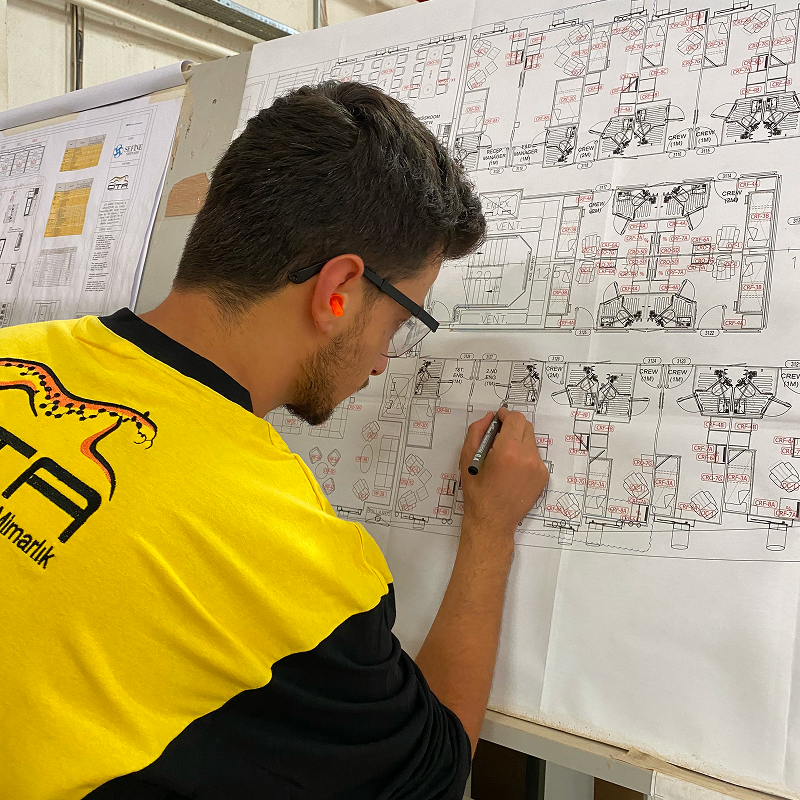
General arrangement drawings alone are rarely sufficient for accurate marine furniture procurement. The tender package should include available room layouts, elevations, sections, joinery details, interface drawings, approved material schedules, and 3D references.
The document status must also be clear. Each drawing should be identified as tender, preliminary, approved for construction, or superseded. The RFQ should explain how technical queries will be answered, how revisions will be distributed, and which revision will form the commercial baseline.
Where the design is still developing, early consulting and planning can align furniture details with manufacturing, access, and installation requirements before production begins.
4. Materials, Finishes, Hardware, and Marine Compliance
The RFQ should define substrate materials, visible finishes, edge details, hardware, fastening methods, expected service conditions, and the required documentation. If the owner has an approved finish schedule, sample board, or approved vendor list, it should be included in the tender package. Proposed equivalent materials should follow a documented review and approval procedure.
Compliance requirements vary according to the vessel type, flag state, classification society, project specification, and installation area. Depending on the project, procurement teams may need to request:
- Fire-performance and low-flame-spread documentation
- Smoke and toxicity test documentation
- Certificates requested under the applicable IMO FTP Code, MED, class, or flag requirements
- Material data sheets and traceability records
- Moisture resistance requirements for wet or humid areas
- Weight data for individual units or complete room packages
- Approved fastening and securing details
- Cleaning, maintenance, and durability information
The RFQ should state exactly which certificates must accompany the quotation, material approval, production release, and final handover. Bidders should not be expected to determine the vessel’s regulatory basis without a defined project specification.
5. Prototype, Mock-Up, and Sample Requirements
Repeated cabins, public-space joinery, and technically complex modules can benefit from a prototype or first-off approval stage. The RFQ should state whether the shipyard requires a full mock-up, sample unit, finish sample, hardware sample, or shop drawing approval before serial production.
The approval workflow should include submission dates, reviewers, permitted response times, acceptance criteria, and the method for incorporating comments into production. An integrated development and production process can shorten the route from technical feedback to controlled manufacturing changes.
6. Delivery Milestones, Packaging, and Logistics
Shipyards rarely require every furniture item on the same date. Delivery may be organized by deck, zone, cabin block, erection sequence, or installation readiness. The RFQ should therefore specify:
- Required shipment batches and delivery dates
- Packaging and protection standards
- Item, room, deck, or zone labelling
- Packing-list format and package identification
- Delivery location and unloading responsibility
- Storage limitations at the shipyard
- Export, customs, and Incoterms responsibilities
- Requirements for replacement items and urgent shipments
For international projects, global logistics and packaging should be planned around the vessel program rather than treated as a final dispatch activity.
7. Onboard Installation Scope
A quotation may appear competitive until installation responsibilities are compared. The RFQ should identify who will provide supervision, installation labour, access permits, lifting support, tools, consumables, temporary protection, waste removal, touch-up work, final alignment, and punch-list closure.
It should also state working-hour restrictions, accommodation arrangements, security requirements, induction procedures, and coordination responsibilities with other trades. Defined assembly support allows the supplier and shipyard teams to plan installation around access and area readiness.
Marine Furniture Supplier Selection Criteria for Shipyards
Once bids are technically aligned, marine furniture supplier selection should move beyond the lowest total price. The shipyard should evaluate how well each bidder can protect the construction schedule, manage technical changes, document quality, and support installation.
A practical evaluation model may use the following weighting. The percentages should be adjusted to the priorities of the project.
| Evaluation criterion | Suggested weighting | Evidence to request |
|---|---|---|
| Technical compliance and scope coverage | 25% | Compliance matrix, exclusions, proposed materials, interface list |
| Relevant marine project experience | 15% | Comparable vessel references, newbuild/refit experience, client references |
| Production capacity and schedule | 15% | Production plan, capacity information, milestones, recovery plan |
| Quality control and documentation | 15% | Inspection plan, traceability procedure, sample approvals, handover documents |
| Logistics and installation capability | 10% | Packaging method, phased-delivery plan, installation resources |
| Commercial clarity and total evaluated cost | 15% | Price breakdown, options, variation rates, payment milestones |
| Warranty and after-delivery support | 5% | Warranty terms, spare-parts process, response procedure |
The scoring team should record evidence and comments alongside each score. This prevents a commercially attractive but technically incomplete offer from ranking above a bid that includes the full execution scope.
Relevant Marine Project Experience
Ask whether the marine furniture manufacturer has completed projects with comparable vessel types, room quantities, finish levels, phased shipments, and onboard installation scopes. References should be relevant to the current project rather than based only on general furniture production.
Production Capacity and Change Management

A shipyard furniture supplier should explain how drawings are released, how revisions reach production, how materials are controlled, and how late changes are separated from unaffected batches. Procurement teams should request a production schedule connected to drawing approvals, material availability, inspection points, packing, and shipment milestones.
The supplier should also explain its recovery procedure if approvals, materials, or production activities fall behind the baseline schedule.
Quality Control and Documentation
Quality control should take place throughout production, not only after delivery. The supplier should define incoming material checks, dimensional inspections, finish controls, sample approvals, non-conformance handling, and pre-shipment inspection.
The required manufacturing record book or final documentation package should be agreed before contract award. Clear records help resolve comments before shipment and reduce rework at the shipyard.
Logistics and Installation Capability
A capable manufacturer can still create project risk if packaging, delivery sequence, or onboard coordination is weak. Furniture should arrive protected, traceable, and labelled according to the installation plan. The shipyard should verify whether the proposed installation team has experience working in active vessel construction environments and coordinating with other subcontractors.
Commercial Clarity
Commercial comparison should separate base scope, optional scope, prototypes, supervision, installation, packaging, logistics, spares, and anticipated variation rates. Payment milestones should be tied to measurable events such as drawing approval, prototype acceptance, production completion, shipment, installation progress, and handover.
The shipyard should also compare exclusions and assumptions line by line. A low headline price may exclude essential engineering, documentation, packing, or installation responsibilities.
Red Flags During Supplier Selection
Warning signs during the evaluation may include:
- Major technical exclusions hidden in commercial notes
- Unclear responsibility for interfaces or onboard adjustment
- Delivery commitments without a supporting production plan
- No defined drawing release or revision-control procedure
- Incomplete marine compliance documentation
- Packaging and labelling treated as an afterthought
- No clear inspection, non-conformance, or punch-list process
- Heavy dependence on subcontractors without defined responsibility
- No evidence of comparable marine projects
Selecting a marine furniture supplier for shipyards requires one coordinated review of drawings, materials, production, packing, shipment, and installation. Gaps between these stages usually return to the shipyard as cost, delay, or additional coordination work.
Practical Marine Furniture RFQ Checklist
The following checklist can be used before issuing a tender or comparing returned offers.
| RFQ section | Information to issue | Supplier response to request |
|---|---|---|
| Project basics | Vessel type, project number, shipyard, newbuild/refit status, milestones | Confirmation of project basis and delivery capability |
| Areas and quantities | Area list, room types, furniture schedule, quantities | Priced scope and quantity confirmation |
| Drawings | Layouts, elevations, sections, details, revision status | Drawing list, assumptions, technical queries |
| Scope division | Responsibility and interface matrix | Compliance, exclusions, and third-party dependencies |
| Materials and finishes | Specifications, sample board, approved suppliers | Proposed materials, equivalents, data sheets |
| Compliance | Project, class, flag, fire, and documentation requirements | Certificate list and compliance matrix |
| Development | Shop drawings, prototype, mock-up, sample requirements | Submission schedule and approval workflow |
| Production | Required completion dates and inspection points | Production plan, capacity, quality plan, recovery process |
| Logistics | Delivery batches, packaging, labels, destination, Incoterms | Packing and phased-delivery plan |
| Installation | Supervision, labour, tools, access, coordination, punch list | Method statement, manpower plan, inclusions and exclusions |
| Commercial | Pricing structure, options, payment basis, variations | Detailed price breakdown and validity period |
| Closeout | Spares, warranty, replacement process, final records | Warranty terms and handover documentation list |
Why an Integrated Marine Furniture Partner Reduces Procurement Risk
The value of an integrated partner is not limited to manufacturing capacity. Planning, technical development, production, logistics, and onboard installation can be managed against the same project information and revision baseline. This gives the shipyard clearer responsibility, measurable progress, and fewer gaps between separate suppliers.
Cita Marine Furniture combines planning, furniture development, production, bespoke joinery, international logistics, and assembly support for newbuild and refit projects. Project-specific bespoke joinery can also be coordinated within the furniture package instead of being managed through a separate interface.
Build the RFQ Around Execution, Not Only Price
Effective marine furniture procurement gives suppliers enough information to quote the real execution scope and gives shipyards a consistent method for comparing offers. When compliance, approvals, production, packaging, delivery, and installation are addressed during the RFQ stage, procurement becomes part of project control rather than a late purchasing activity.
Cita Marine Furniture supports shipyards from early planning and technical development through production, logistics, and onboard installation. To discuss a new RFQ, share the vessel scope, available drawings, furniture schedule, required documentation, and delivery program through the Cita Marine Furniture contact page.