New Project: Çita Marine Awarded XP SOUSSE Refit Scope
The Rising Role of Interior Outfitting in the Ferry Industry Transformation: Insights from Shippax 2026


Time is the Most Expensive Resource in Maritime
In the maritime industry, a vessel’s profitability is directly proportional to its time at sea. Off-hire periods or shipyard maintenance processes mean direct revenue loss for shipowners. Traditional outfitting methods often prolong this time due to on-site manufacturing, complex assembly processes, and unforeseen delays.
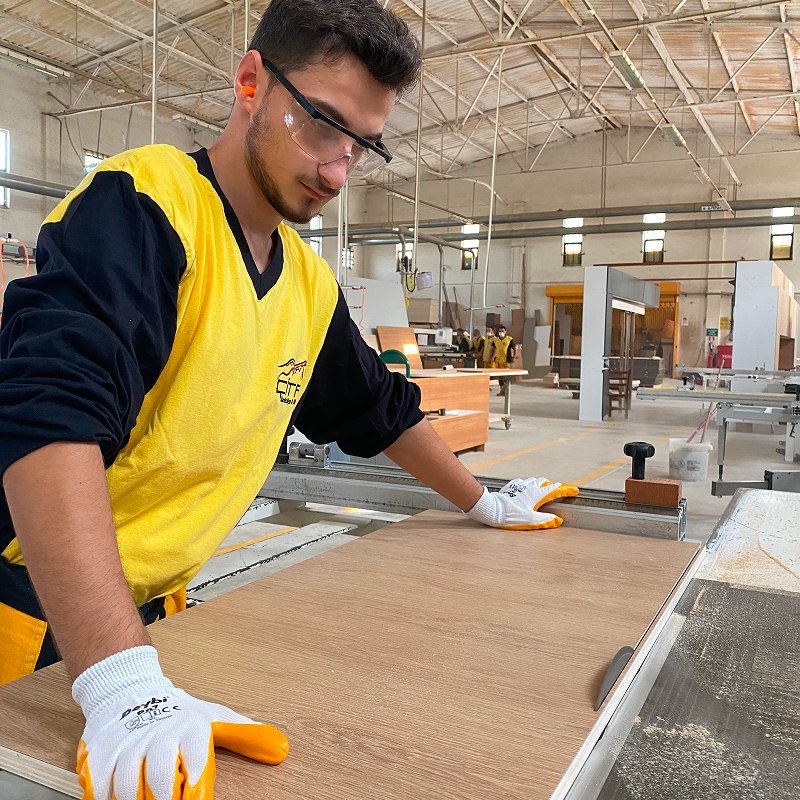
Modular marine furniture steps in as a strategic operational solution for this very reason. At Cita Marine Furniture, we complete refit projects much faster and cost-effectively compared to traditional methods thanks to our hybrid (wood and aluminum) modular systems developed in our 5,000 m² production facility.
In this article, we will examine how modular furniture systems minimize shipyard times, reduce maintenance costs (OPEX) throughout the vessel’s operational life, and explore Cita Marine’s engineering approach.
The Speed Factor in Refit and Renovation Projects: The “Plug-and-Play” Logic
In traditional marine carpentry, furniture is usually cut, assembled, and installed onboard according to immediate measurements. This process requires dust, noise, and long labor hours. It can also create bottlenecks by conflicting with other maintenance works on the ship.
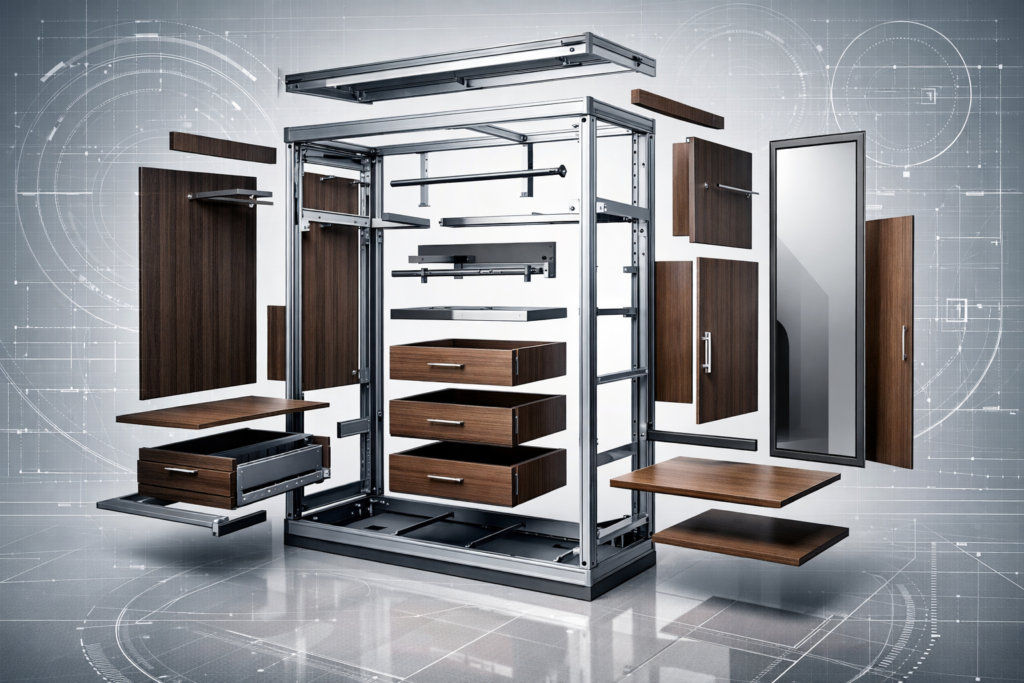
Cita Marine’s modular system relies on the “Off-Site Manufacturing” principle.
Pre-Shipyard Preparation: Months before the ship docks or while it is still at sea, furniture is manufactured with millimeter precision, assembled, and quality-checked at Cita Marine’s factory.
Rapid Assembly: Products arrive at the ship not as semi-finished goods but as modules ready for installation. No cutting or painting is required on site. This reduces assembly time by 40-50%.
Logistics Advantage: Modular design increases packaging and transport efficiency. With our workforce of over 500 skilled professionals and our global logistics network, products are shipped Just-In-Time (JIT) to the vessel’s location.
The Power of Wood and Aluminum: Durability and Lightweight
One of the key features distinguishing Cita Marine from competitors is the use of a wood and aluminum combination in furniture construction.
Pure wood (particleboard/MDF) furniture may lose resistance over time against marine humidity and constant vibration. Pure metal furniture can create a “cold” atmosphere and is heavy. Cita Marine’s hybrid modular system combines the best aspects of these two materials.
Aluminum Frame: It is corrosion-resistant, lightweight, and extremely sturdy. It maintains the structural integrity of the furniture for years.
Wood Finish and Details: It provides the desired warmth, luxury, and aesthetic texture in the interior.
Weight Saving: It is lighter than traditional solid furniture. This feature contributes to fuel efficiency and stability by reducing the vessel’s total weight.
Ease of Maintenance and Repair: Cost Management via Component Replacement
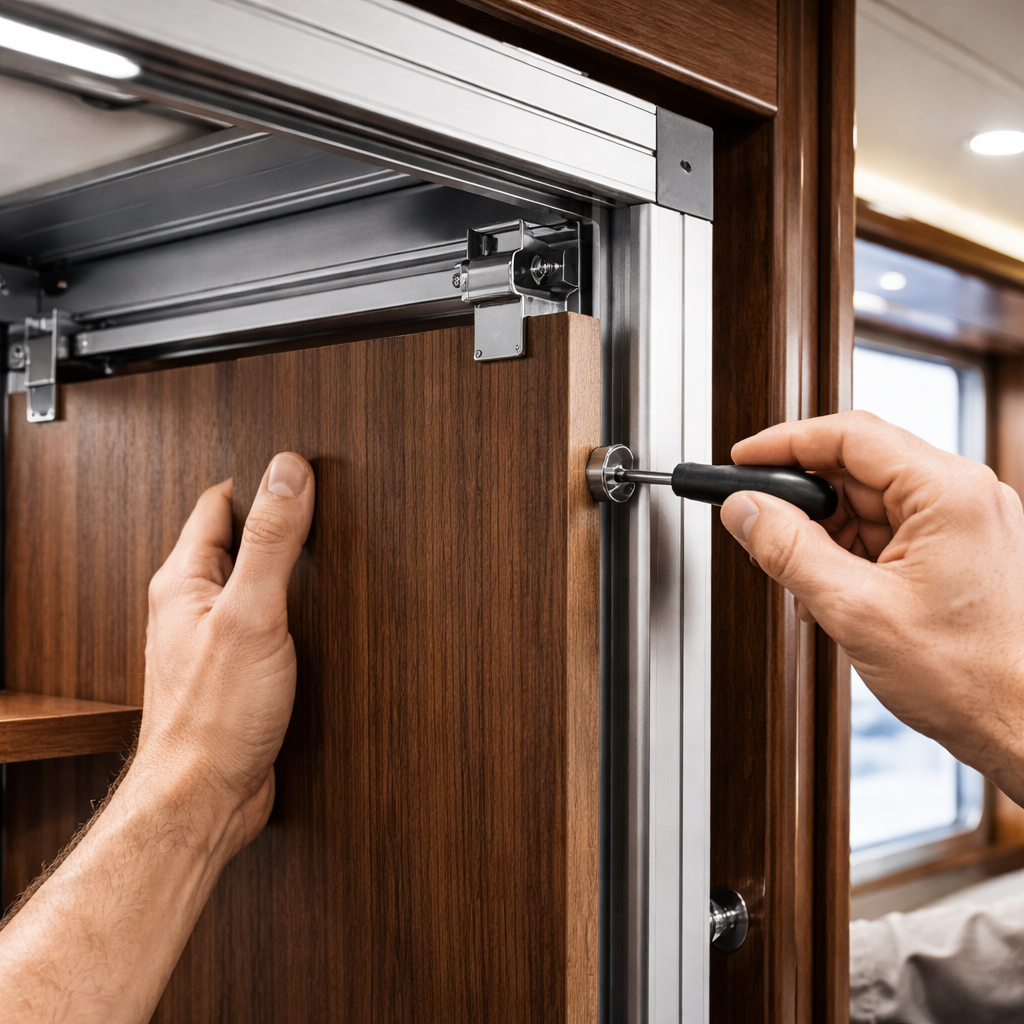
When a piece of marine furniture is damaged, for instance, if a cabin wardrobe door is scratched or a drawer mechanism fails, traditional systems usually require dismantling the entire unit or performing expensive on-site repairs.
Modular systems allow for “Component-Based Replacement”.
Standardized Components: Cita Marine designs consist of compatible standard parts.
Rapid Intervention: A damaged panel can be replaced with a new one by the technical team in minutes. There is no need to replace the entire furniture unit.
Spare Parts Management: Shipowners can easily stock spare parts for critical modules on their vessels.
This feature significantly lowers Operational Expenditures (OPEX) throughout the ship’s life and keeps passenger satisfaction high.
Sustainability and Longevity
Sustainability is at the center of Cita Marine’s production philosophy. Modular furniture supports a “repair and reuse” approach against the “use and throw” culture.
Less Waste: Material waste is minimized thanks to optimized production in a factory environment.
Recyclability: Aluminum components are 100% recyclable.
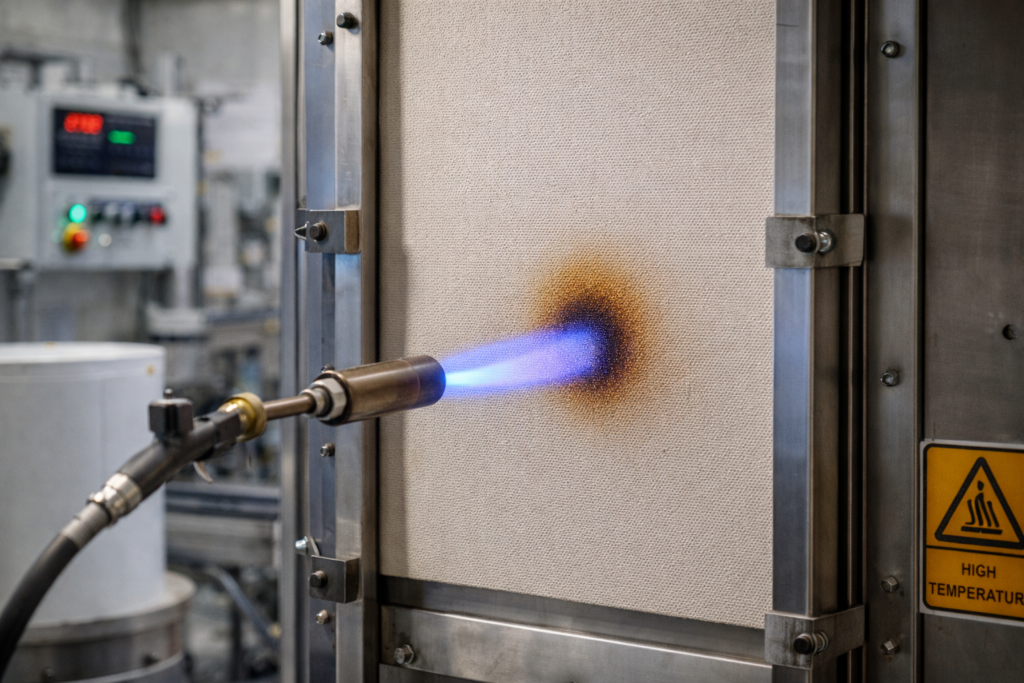
Certified Materials: All materials we use comply with IMO/SOLAS fire safety standards and eco-friendly certifications.
Cita Marine: “Turnkey” Solutions from Design to Delivery
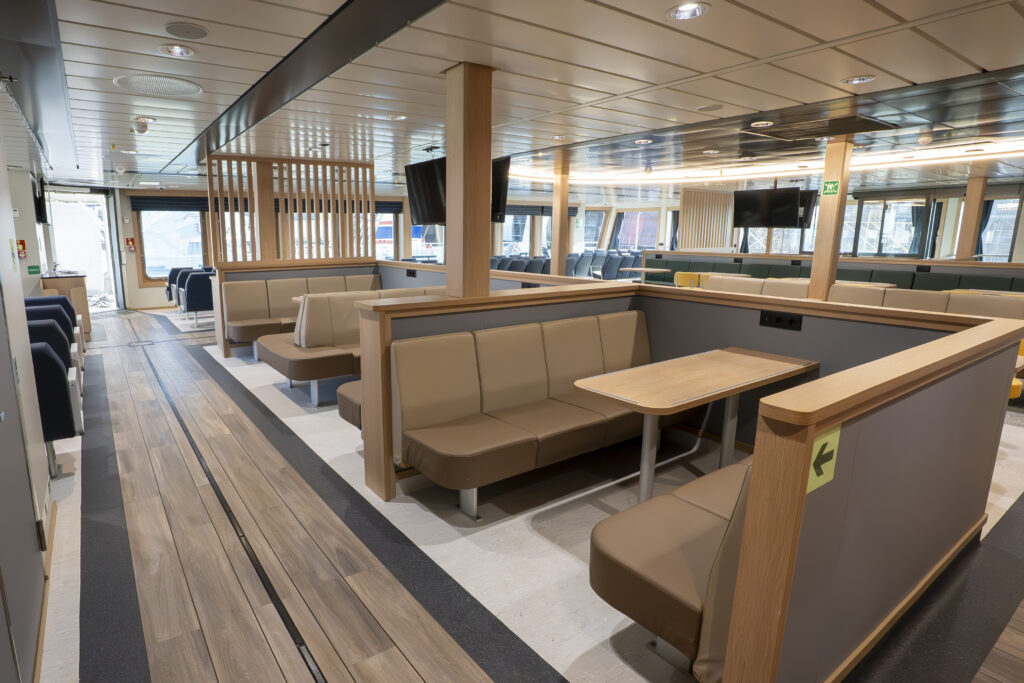
Modularity does not have to limit design freedom. At Cita Marine, while offering the technical advantages of the modular system, we have the capability to develop hundreds of different “bespoke” designs tailored to our clients’ specific needs.
With 5,000 m² of production space, 4,000 m² of storage area, and a strong R&D team, we provide end-to-end services from 2D/3D design development to production, logistics, and onboard installation. Cita Marine commits to delivering your projects on time, within budget, and at the highest quality standards, regardless of whether it is a single lounge renovation or a complete vessel outfitting.
Future Marine Interiors Are Modular
The maritime sector is changing rapidly, and efficiency is becoming more critical than ever. Cita Marine’s modular furniture solutions offer shipowners not just an aesthetic interior but also a profitable, sustainable, and manageable operational model.
Meet Cita Marine’s engineering-driven solutions to accelerate your refit project and optimize your maintenance costs.