Modular Marine Furniture: A Strategic Way to Accelerate Refit Processes and Reduce Maintenance Costs
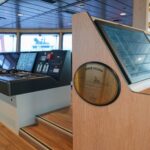
CITA Marine Furniture Successfully Delivers NB1119 Annie Hillina Pelagic Freezer Trawler Interior Outfitting
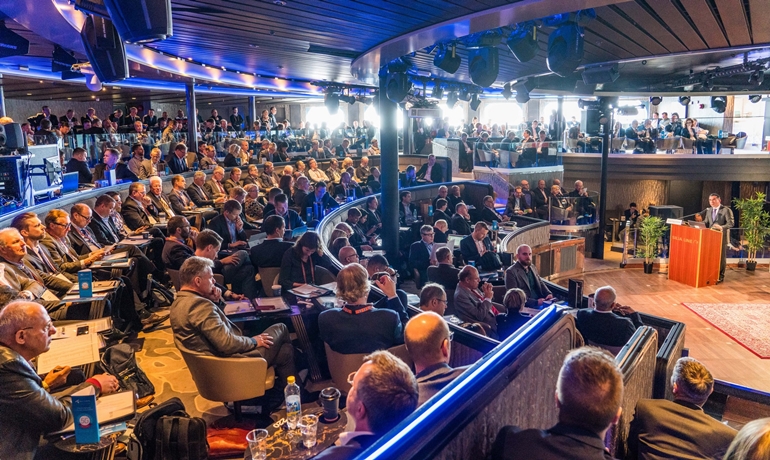


At the Shippax Ferry Conference 2026, one message echoed across every panel: the European and global ferry industry is no longer just adapting to change; it is being structurally redefined. Three forces are converging at unprecedented speed: tightening decarbonization regulations, rising passenger expectations and the economic shift from new-build to refit. For shipowners, naval architects and outfitting partners, the strategic question is no longer if interiors need to evolve, but how fast they can be transformed without disrupting service routes.
Against this backdrop, ferry interior outfitting has emerged as one of the most decisive levers in vessel performance. Materials, weight, modularity and installation speed now influence everything from fuel consumption to brand perception. As a Tier-1 supplier serving European ferry operators, CITA Marine Furniture has observed this transformation directly across recent projects with operators such as Stena Line, Wightlink, Bastø Fosen and Fjord1.
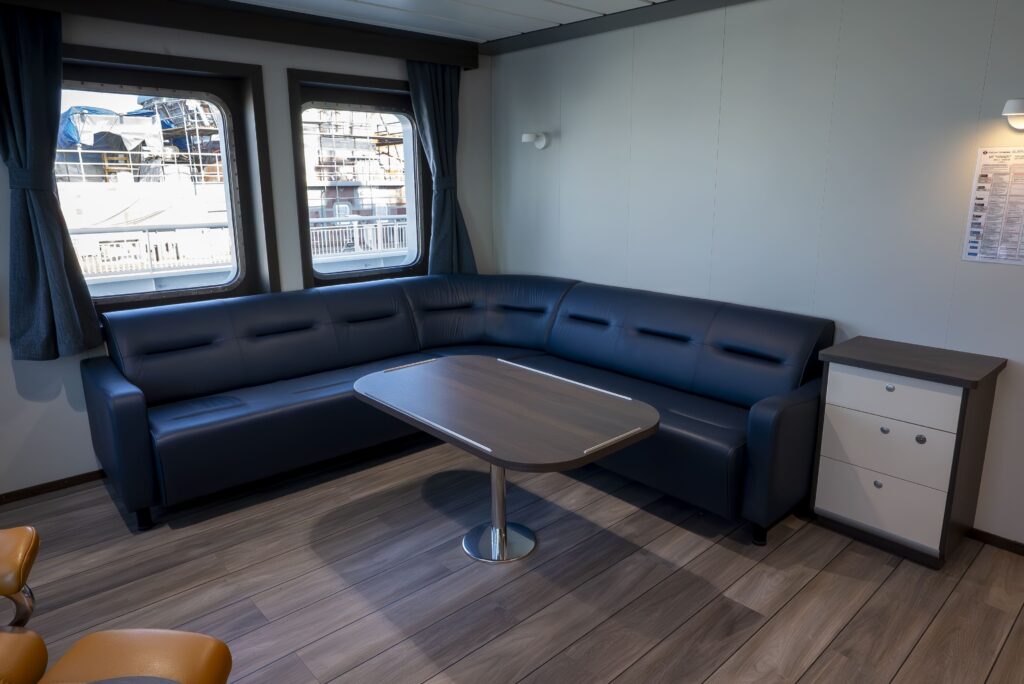
Decarbonization Is Rewriting the Interior Specification Sheet
The International Maritime Organization’s revised GHG strategy and the European Union’s Fit for 55 package have placed ferry operators under direct pressure to reduce emissions per nautical mile. While propulsion and fuel strategy receive the most public attention, the interior outfitting layer plays a quieter but equally decisive role.
Every kilogram of furniture on a ferry translates into fuel consumed across thousands of annual sailings. This is why lightweight, marine-grade composite construction, optimized joinery and weight-conscious material selection have moved from “nice to have” to “engineering requirement.” Operators now demand documented weight budgets, fire-safety certification (IMO MED, SOLAS compliance) and full traceability. These are precisely the areas where compliance-driven outfitting partners create measurable value.
Refit Economics: Why Shipowners Are Choosing Renovation Over New-Build
Newbuild lead times have extended dramatically as European yards remain near full capacity. Combined with elevated capital costs and uncertainty around alternative fuel infrastructure, this has made refit the most rational route to fleet modernization for many operators. The Shippax 2026 conversations made one thing clear: a successful ferry refit project is no longer measured purely by aesthetics; it is measured by downtime.
Three capabilities now define a competitive refit partner:
In practical terms, this means that ferry refit is no longer a construction project; it is a logistics and engineering exercise where every hour of off-service time has a direct revenue cost.
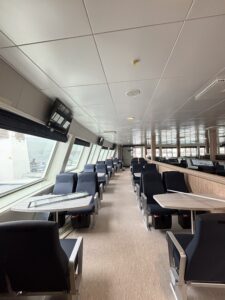
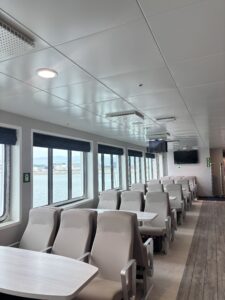
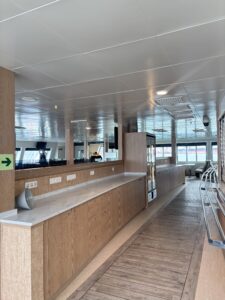
The Passenger Experience Has Become a Competitive Battleground
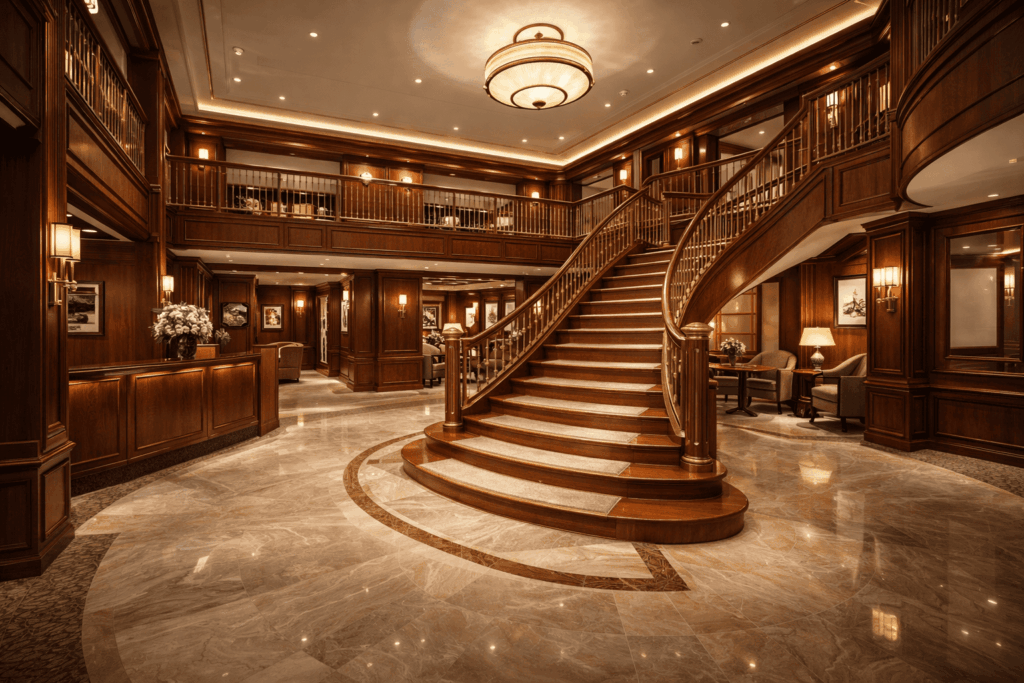
Modern ferries, particularly those on overnight routes, fjord cruises and high-frequency commuter lines, are evolving into experience-driven environments. Loyalty surveys repeatedly show that cabin comfort, lounge ergonomics, lighting quality and material finish weigh more heavily on rebooking intent than ticket price alone. For operators competing with low-cost airlines on short-sea corridors, the onboard interior is often the only differentiator left.
This has fundamentally changed how ferry interiors are specified. Designers and outfitters are increasingly asked to deliver:
Modularity as the Operational Backbone
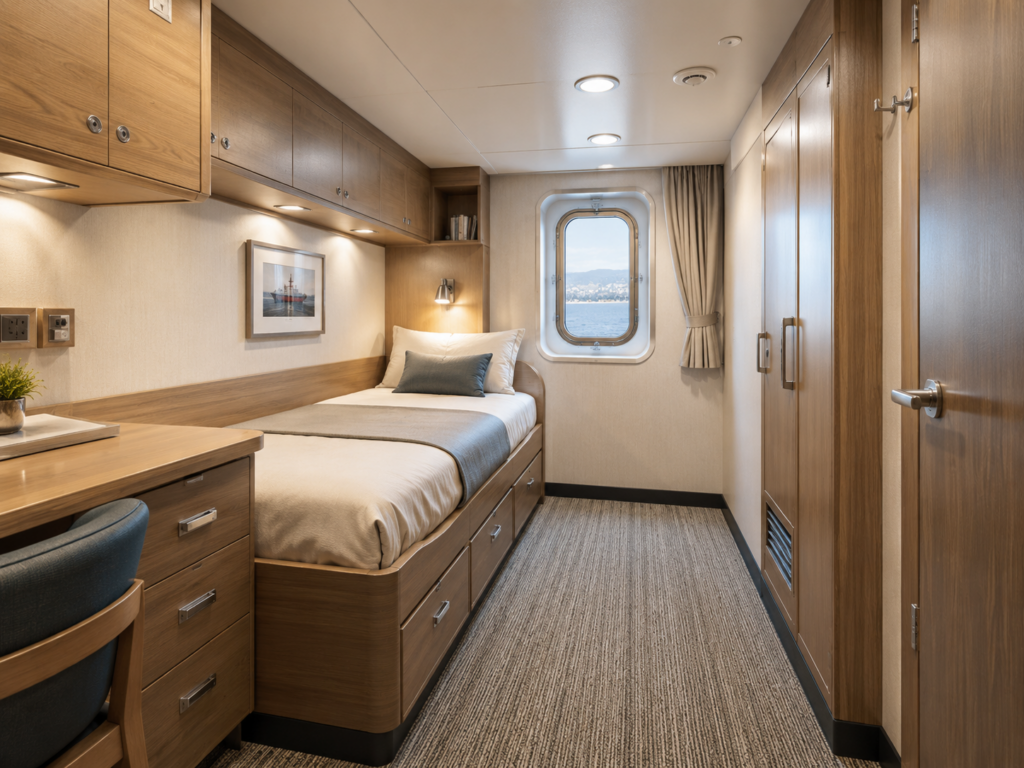
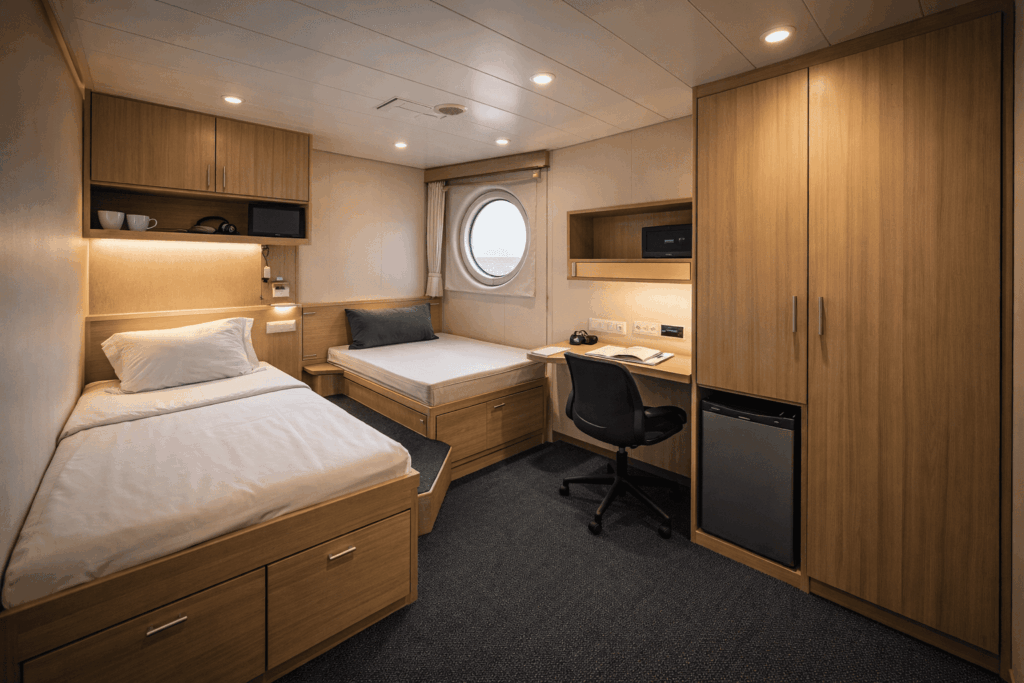
If one theme defined Shippax 2026, it was modularity. Modular marine furniture systems are no longer a niche concept; they are becoming the operational backbone of how progressive ferry operators plan their lifecycle costs. Pre-engineered, repeatable units allow for predictable refurbishment cycles, simplified spare-part logistics and faster cabin turnovers.
Modular thinking also future-proofs interiors against regulatory shifts. As cabin density requirements, life-safety codes and accessibility standards evolve, modular systems can be reconfigured without full strip-out, protecting the operator’s capital investment over the 25-to-30-year service life of a vessel.
The CITA Marine Furniture Approach
At CITA Marine Furniture, we have aligned our entire production and engineering model around the three forces shaping 2026: weight, speed and experience. Our approach is built on:
Recent deliveries on Stena Line vessels, Wightlink’s Victoria of Wight, Bastø Fosen’s electric ferries and the Fjord1 fleet demonstrate this model in practice, and have given us a direct line of sight into how ferry operators are preparing for the regulatory and commercial environment of the next decade.
Beyond Shippax 2026: The Road Ahead for Ferry Interior Outfitting
The ferry industry’s transformation will not slow down. If anything, the pressure on operators to decarbonize, modernize and differentiate will intensify through 2027 and beyond. Interior outfitting partners who can combine engineering precision, regulatory compliance, refit agility and a genuine understanding of passenger experience will be the ones that ferry operators rely on to navigate this next chapter.
CITA Marine Furniture is committed to standing alongside the European ferry community as this transformation continues, not as a furniture supplier but as an interior outfitting partner aligned with the long-term strategic goals of every operator we work with.
Frequently Asked Questions About Ferry Interior Outfitting
Q1: What is ferry interior outfitting?
Ferry interior outfitting is the engineering, manufacturing and installation of all non-structural interior components of a passenger ferry, including cabins, lounges, restaurants, reception areas and crew quarters. It must comply with IMO SOLAS fire-safety, weight and accessibility regulations.
Q2: Why are ferry operators choosing refit over new-build in 2026?
Refit projects offer faster deployment, lower capital expenditure and reduced exposure to alternative fuel uncertainty. With European yards near full capacity, refit allows operators to modernize cabins, comply with new EU regulations and improve passenger experience without long newbuild lead times.
Q3: What makes modular marine furniture suitable for ferry refit projects?
Modular marine furniture is pre-fabricated in controlled factory conditions, certified for marine fire-safety standards and designed for rapid dockside installation. This reduces vessel downtime, lowers total project cost and allows phased upgrades across an entire fleet.
Q4: How does interior weight affect ferry fuel consumption?
Every kilogram of interior weight contributes to lifetime fuel burn across thousands of annual sailings. Lightweight marine-grade materials, including FR-rated plywood and composite veneers, can meaningfully reduce a ferry’s operational carbon footprint and support compliance with IMO and EU decarbonization targets.
Planning a ferry refit, newbuild outfitting or fleet modernization program? CITA Marine Furniture delivers IMO-certified, modular interior solutions trusted by leading European ferry operators. Get in touch with our marine outfitting team to discuss your project.