Excellence in Marine Interior Execution: Installation and Workmanship
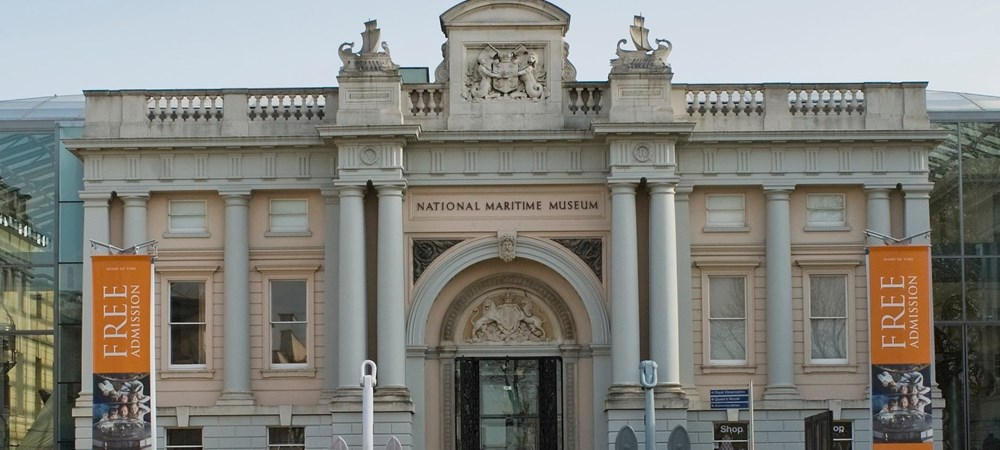
According to Guinness World Records, the National Maritime Museum in Greenwich, London, holds the title of the world’s largest maritime art collection.
The museum houses approximately 100,000 books, 397,500 manuscripts, 4,000 oil paintings, 90,000 nautical charts, 70,000 prints and drawings, one million ship plans, 280,000 photo negatives, and over one million historical photographs.
In addition, the collection includes more than 44,000 three-dimensional objects — such as ship models, decorative arts, figureheads, relics, horological instruments, weapons, uniforms, coins, and naval medals.
Its scale and significance make it one of the most remarkable collections in maritime history.
Dutch and Flemish Seascapes
The museum’s collection of 17th-century Dutch and Flemish seascapes is considered among the finest in the world.
It includes over 400 works by the father and son artists Willem van de Velde the Elder and the Younger, who lived and worked in Greenwich. Their paintings and drawings capture naval battles, ship portraits, and scenes of coastal and fishing life with extraordinary precision, providing a vivid visual record of the naval power and maritime culture of their time.
Turner and the Battle of Trafalgar
Among the British works depicting maritime and travel themes, one of the most celebrated is J.M.W. Turner’s “The Battle of Trafalgar” (1805).
This monumental and controversial masterpiece captures the chaos and drama of a defining naval encounter. When first exhibited, it was criticized by sailors and traditionalists who had expected a more restrained and literal depiction of the event.
Today, it stands as one of the most iconic representations of Britain’s naval heritage.
Captain Cook and the Exploration Collection
The Exploration Collection features works by William Hodges and John Webber, who documented the people, landscapes, and wildlife encountered during Captain James Cook’s voyages across the Pacific.
These paintings represent the first visual records of many regions and cultures ever produced for the Western world.
Portraits of Maritime Legends
The Portrait Collection includes the famous “Armada Portrait” of Queen Elizabeth I, as well as portraits of iconic figures such as Captain James Cook and Admiral Horatio Nelson.
Each portrait not only celebrates the individuals themselves but also reflects the evolution of British naval identity and global influence.
Ship Models and Maritime Artifacts
Alongside its paintings, the museum houses a collection of approximately 3,500 ship models, ranging from ancient Egyptian vessels to modern warships.
Together with the museum’s archive of original ship plans, this collection serves as a priceless reference for historians, engineers, and maritime enthusiasts alike.
The museum also preserves an extensive collection of navigational instruments and relics, which tell stories of both triumph and tragedy at sea.
Among them are astrolabes, sextants, and even a pocket watch recovered from a victim of the Titanic disaster.
Contemporary Works and the Nelson Collection
The museum occasionally acquires contemporary artworks that reinterpret maritime history.
One of the most notable examples is Yinka Shonibare CBE’s “Nelson’s Ship in a Bottle” — a giant glass bottle containing a replica of HMS Victory, symbolizing the intersection of art, history, and cultural identity.
The Nelson Collection itself includes over 700 artifacts, among them the coat Admiral Nelson wore when he was fatally wounded at the Battle of Trafalgar.
Polar and Exploration Heritage
The museum’s Polar Collection is equally extensive, featuring artifacts from early Arctic and Antarctic expeditions, including those led by Captain Robert Falcon Scott and Sir Ernest Shackleton.
These objects vividly illustrate the endurance, hardship, and human spirit that defined the great age of polar exploration.
The Maritime Library and Archives
The National Maritime Museum is also home to one of the largest maritime libraries and archives in the world.
It contains over 100,000 books, 20,000 pamphlets, and thousands of maps, manuscripts, and navigational charts.
This archive provides an invaluable resource for researchers and stands as a testament to the museum’s commitment to preserving maritime history for future generations.
The National Maritime Museum in Greenwich is not only a cornerstone of British heritage but also a global center for maritime culture and scholarship. Through its vast collection of artworks, ship models, instruments, and documents, it captures the artistic, technical, and human dimensions of life at sea.
This extraordinary institution continues to illuminate the world’s seafaring past while inspiring future generations of explorers, artists, and historians.
Preserving History, Engineering the Future
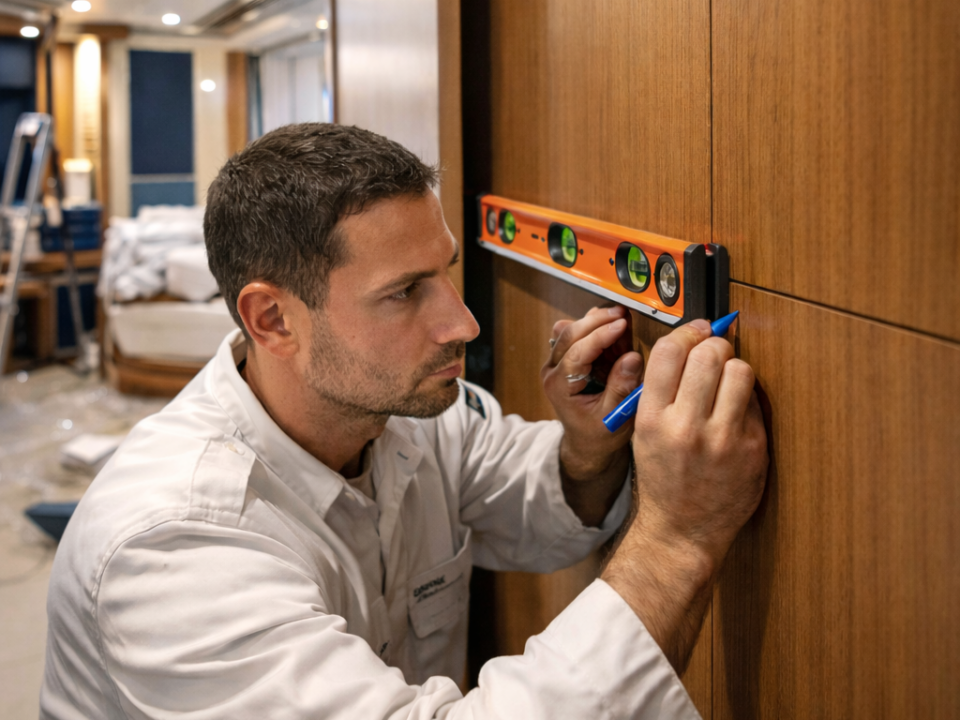
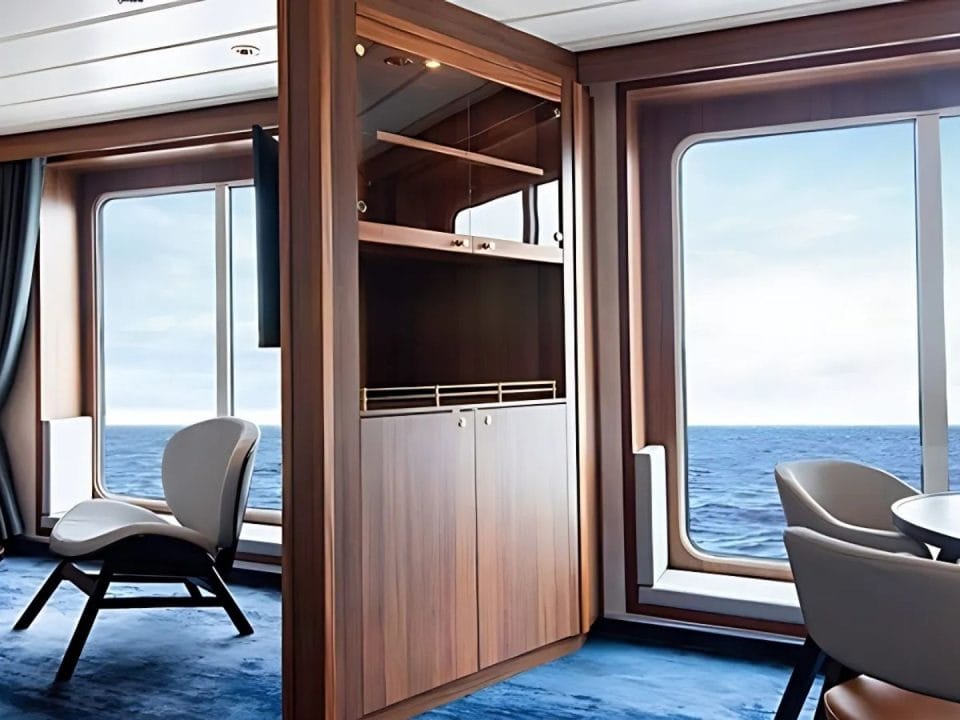
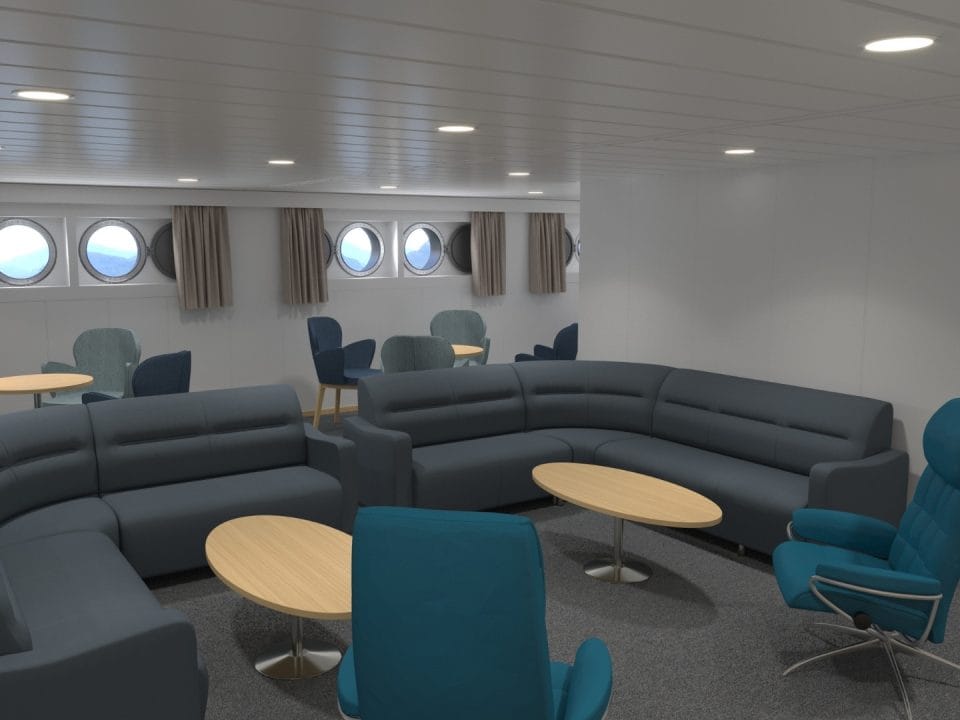
While the National Maritime Museum preserves the intricate craftsmanship of the past, at Cita Marine Furniture, we carry this legacy of excellence into the modern era. Just as the ship models in Greenwich demonstrate the meticulous detail of historic vessels, we apply the same precision to modern marine interior outfitting.
From concept to installation, we blend traditional bespoke joinery with advanced manufacturing technologies, ensuring that today’s vessels are as enduring and impressive as the legends of maritime history.