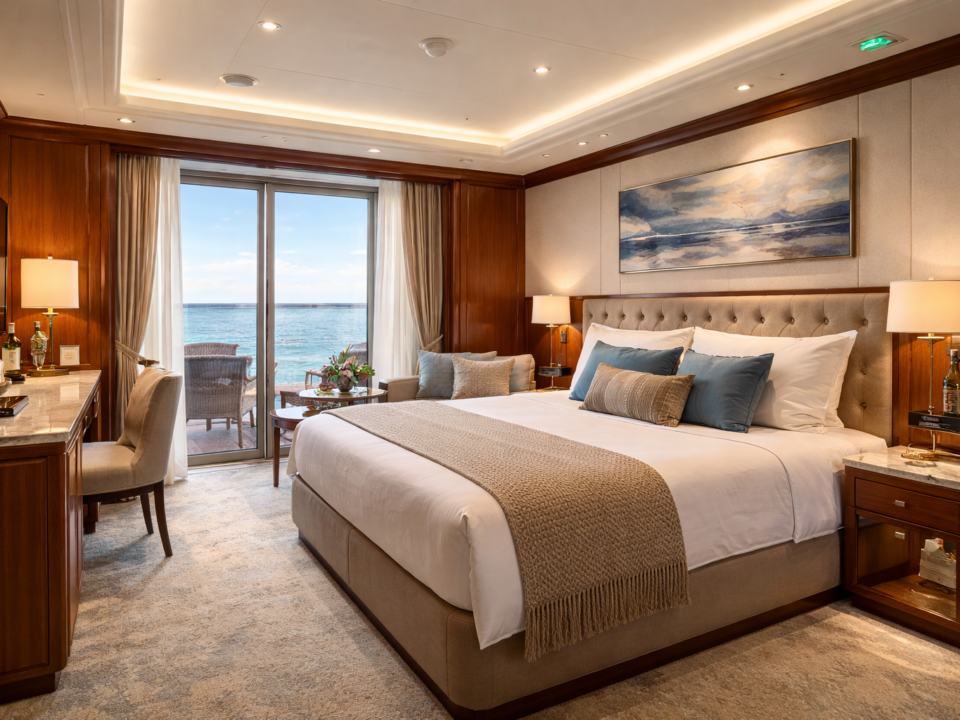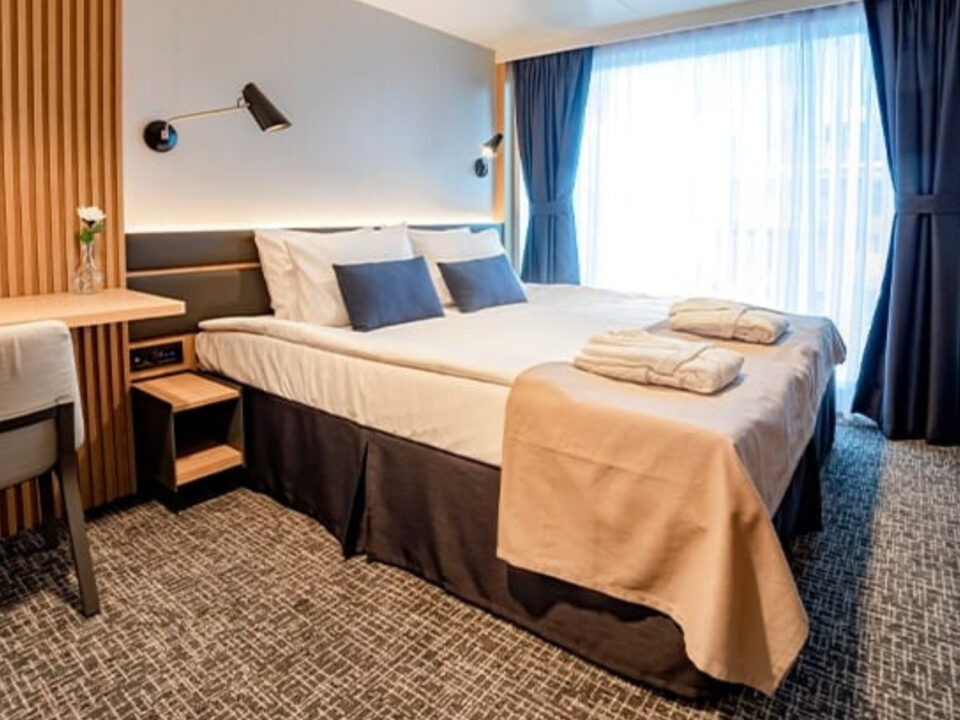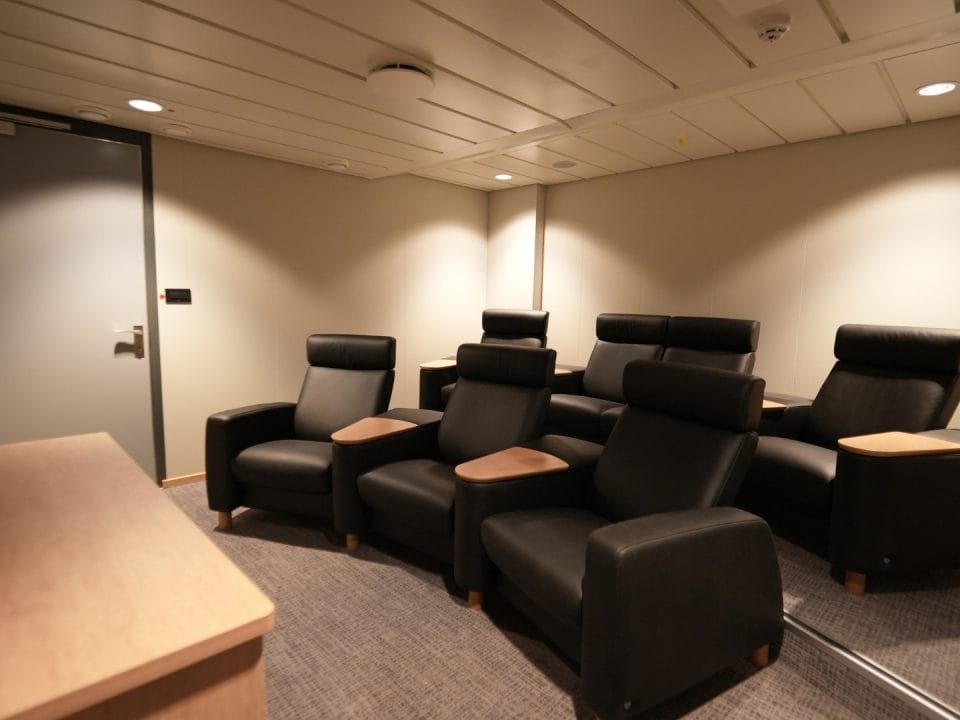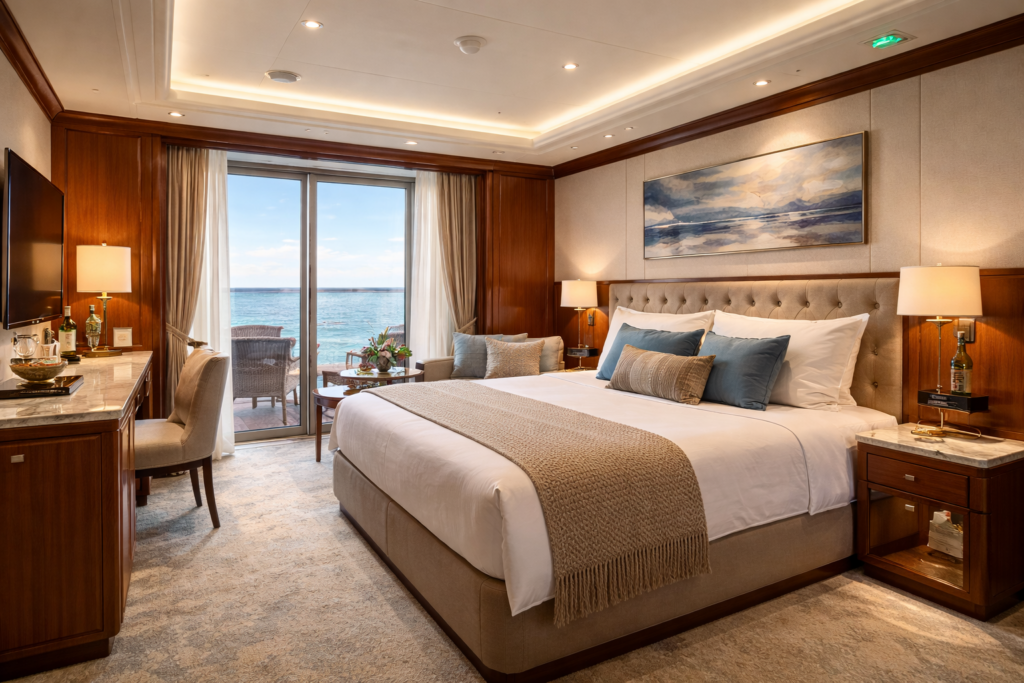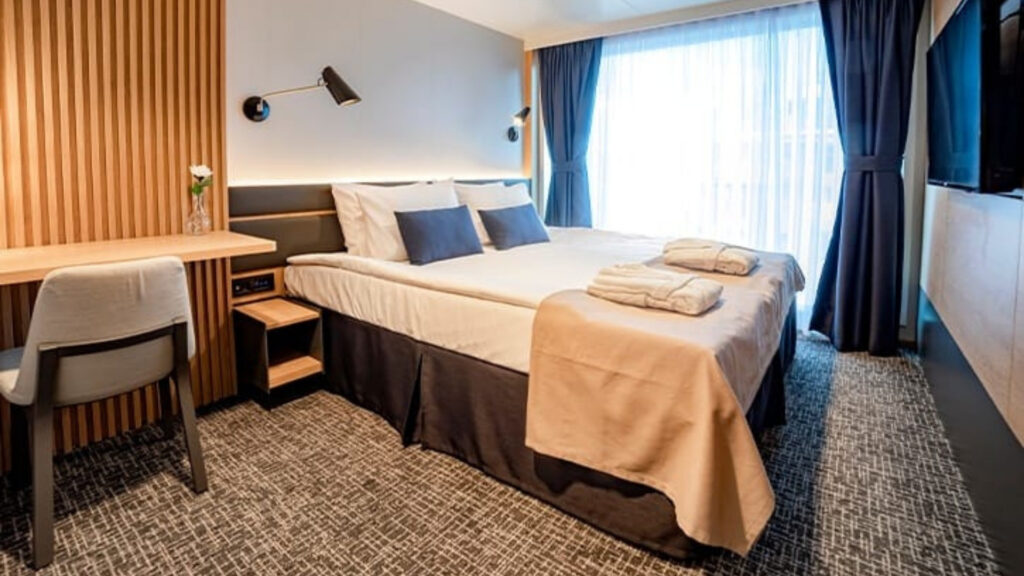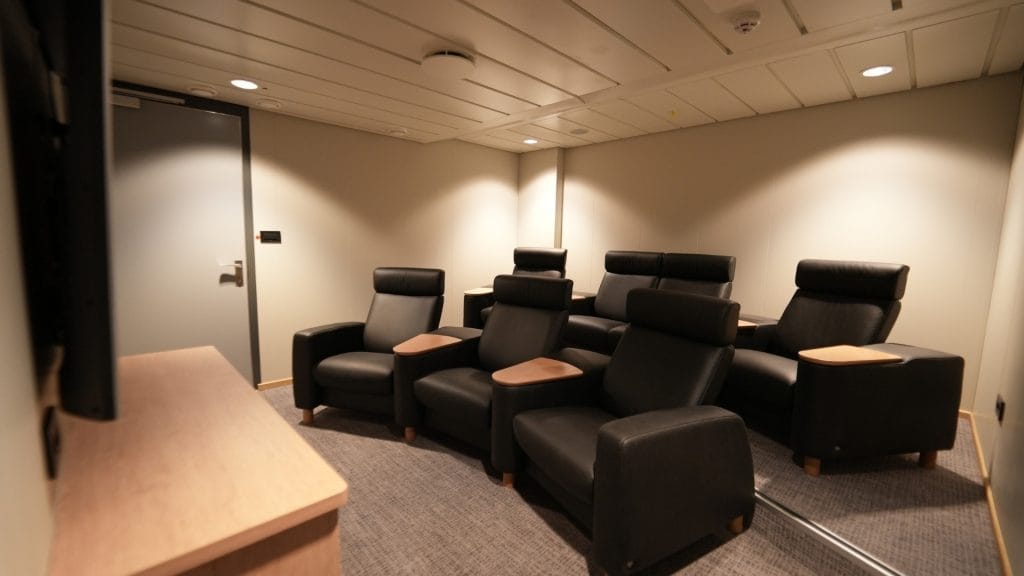
What’s Inside a Cruise Cabin?
IMO and SOLAS Standards in Marine Interiors: A Guide to Safety and Compliance
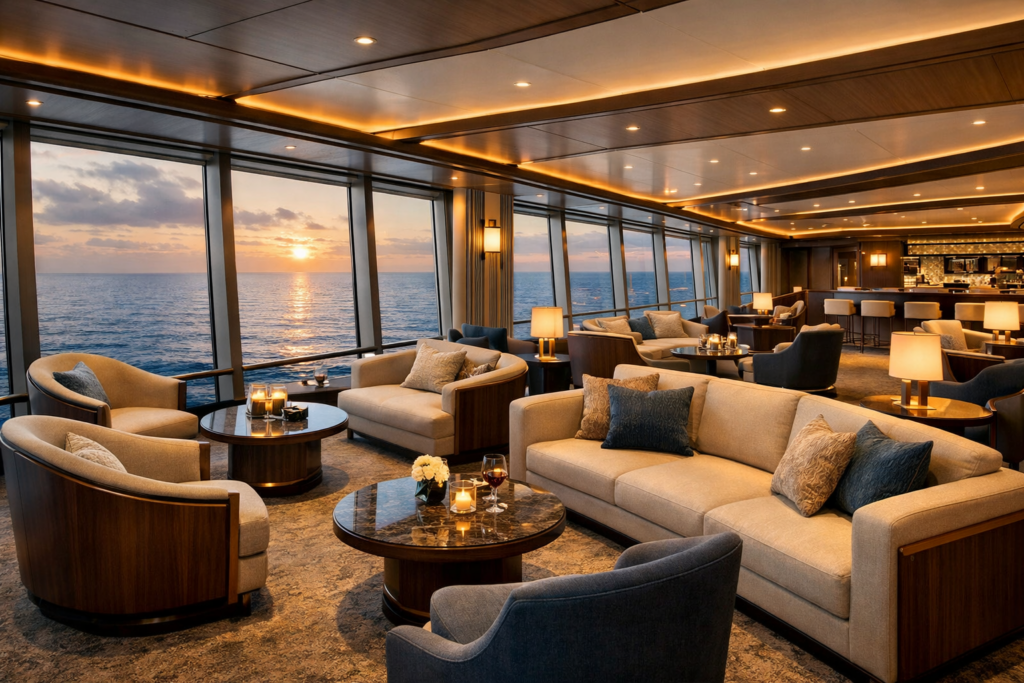
During a ferry crossing or a luxury cruise voyage, passenger satisfaction is shaped primarily by physical comfort—most notably by furniture. Unlike land-based hospitality furniture, ship furniture must withstand continuous motion, salty humidity, vibration, and intensive passenger use. For this reason, choosing custom marine furniture is not merely a design preference, but a critical operational requirement.
At CITA Marine Furniture, furniture design is approached through a marine-grade engineering mindset. Each piece is developed to combine refined aesthetics with long-term durability, ensuring comfort that performs reliably throughout the vessel’s service life.
Ergonomics at Sea: Comfort in Motion
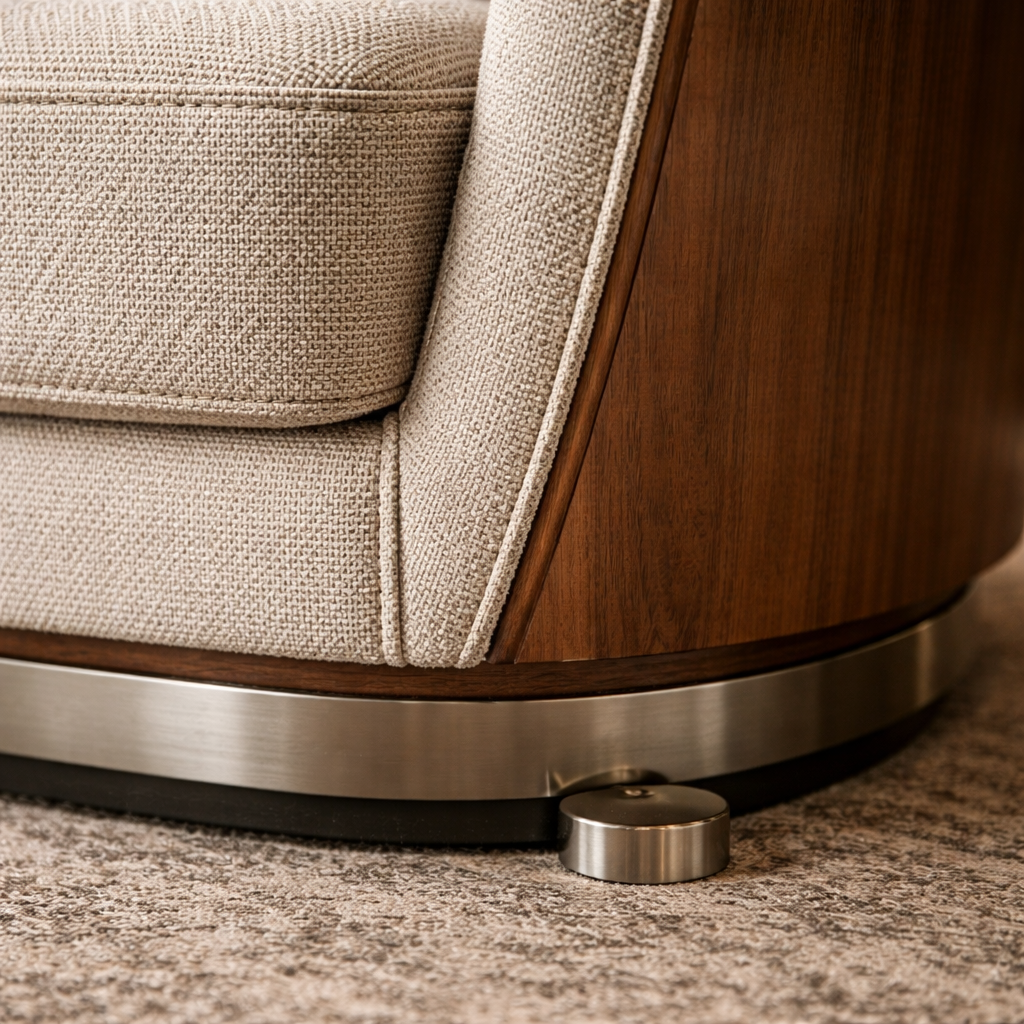
Constant wave motion challenges human balance onboard. As a result, marine furniture ergonomics differ significantly from land-based design principles.
- Body-Supportive Design: Seating and sleeping units are shaped to support the body securely, reducing sliding and fatigue during roll and pitch movements.
- Integrated Fixation Systems: For safety compliance, most onboard furniture—such as beds, cabinets, and tables—is mechanically fixed to decks or bulkheads. CITA Marine’s custom solutions conceal these fixation points within the design language, maintaining the appearance of loose furniture while delivering the safety of fixed installations.
IMO-Certified Materials and Fire Safety
Every upholstery fabric, foam filling, and surface coating used on commercial vessels must comply with IMO FTP Code (Fire Test Procedures) regulations. Fire safety is not optional—it is mandatory.
CITA Marine prioritizes certification compliance alongside visual harmony. Fire-retardant fabrics, low flame-spread foams, and certified surface finishes are selected to maximize passenger safety. This approach not only reduces fire risk but also ensures smooth compliance during inspections and audits.
Maximum Functionality in Limited Spaces
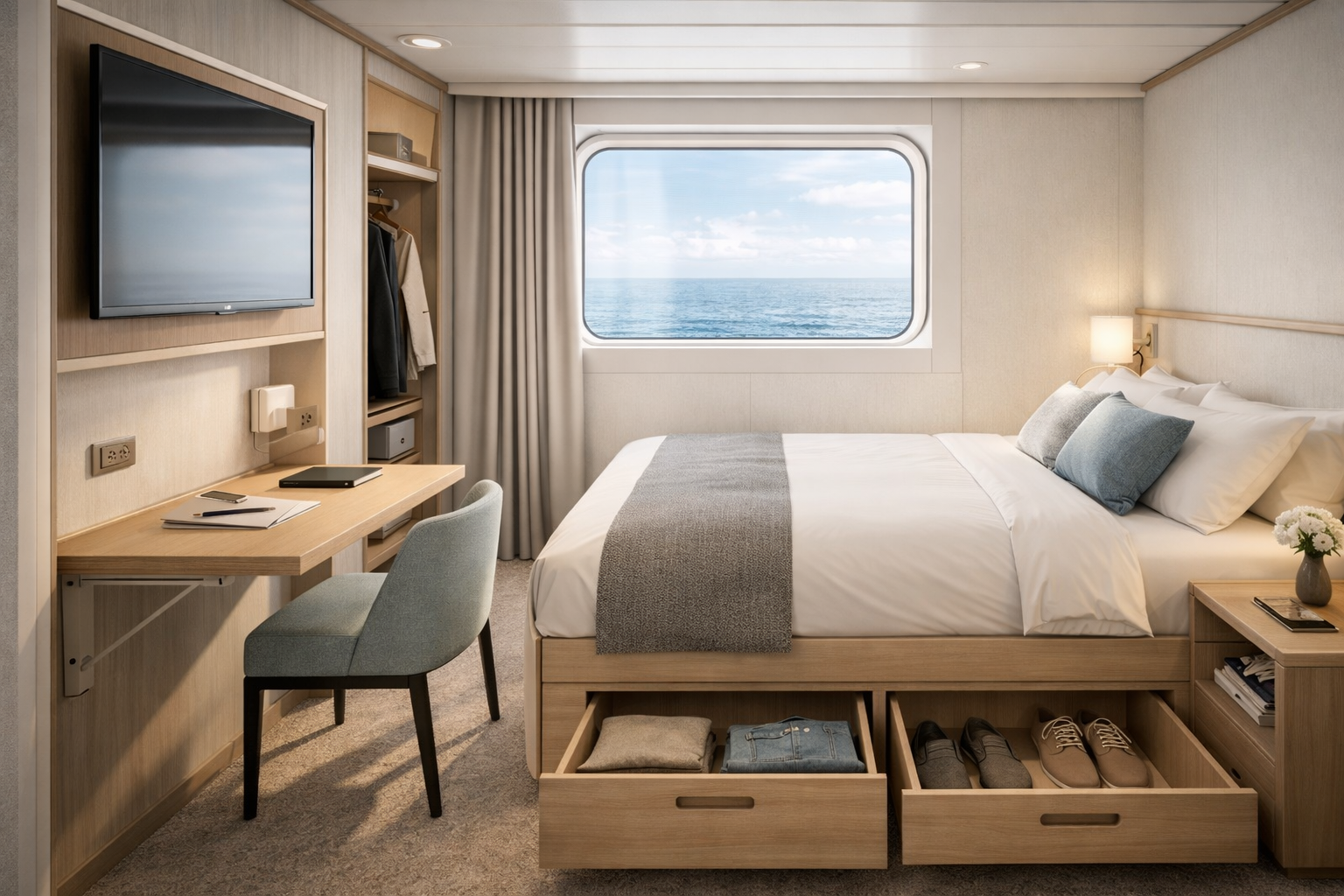
Space efficiency is a defining constraint in vessel interiors. Standard furniture rarely aligns with a ship’s camber, sheer, or frame spacing, resulting in wasted volume.
Custom marine furniture transforms these limitations into advantages through millimetric production accuracy. Solutions such as:
- Under-bed storage systems
- Recessed wall-mounted cabinets
- Foldable or multi-functional tables
allow passengers to experience a spacious and organized environment, even within compact cabins. CITA Marine optimizes every cubic meter by producing furniture specifically engineered for each vessel layout.